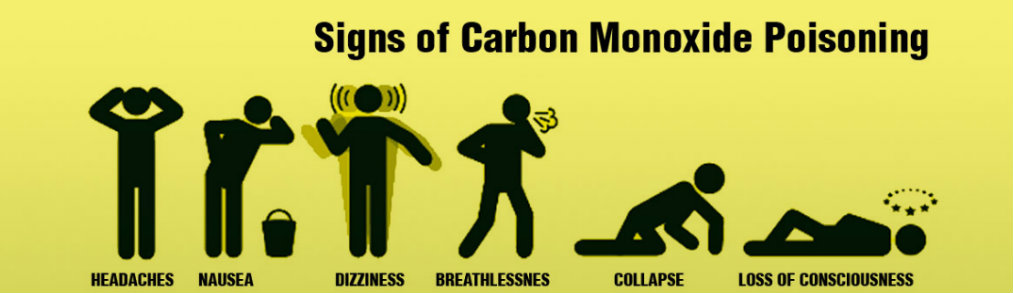
Signs Of Co Poisoning In House
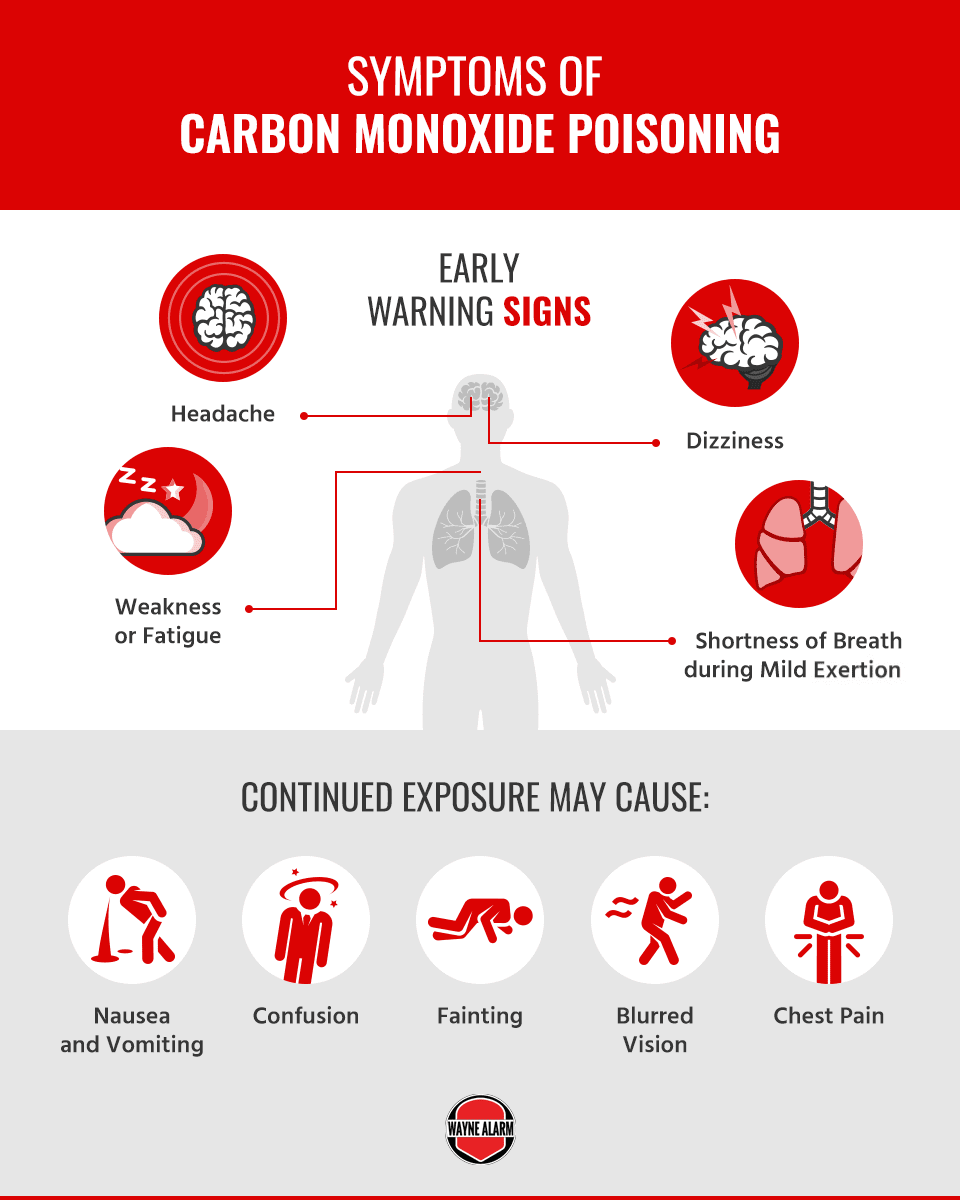
Ever had that feeling like there's an invisible guest lurking around your house? One that doesn't say hello, doesn't leave a mess (at least not visibly), but could still be causing trouble? Well, meet carbon monoxide, or CO for short. It's often called the "silent killer," which sounds super dramatic, but honestly, it's pretty accurate. What's fascinating to me isn't just that it's dangerous, but how incredibly sneaky it is – and how, despite its stealth, it still leaves a trail of clues if you know where to look. It's like a mystery novel playing out in your living room!
Think about it: CO is a ninja gas. It's got no smell, no color, no taste. It doesn't even make a sound. So, how on earth are we supposed to spot something so utterly undetectable? This is where being a home detective comes in handy. Your house, believe it or not, can give you hints that something isn't quite right. It's like your home is trying to whisper warnings, and we just need to learn its language.
Appliances Acting A Bit... Off?
One of the coolest things to observe, if you're into the mechanics of everyday life, is how your appliances behave. Normally, when things like your gas stove, water heater, or furnace are burning fuel efficiently, you'll see a crisp, blue flame. It’s like a happy little fire, doing its job perfectly.
Must Read
But what if that flame starts looking a bit sickly? If you notice a lazy, yellow, or orange flame where it should be blue, that's a red flag! It's a sign that the fuel isn't burning completely, and that incomplete combustion is the prime suspect for CO production. It's like your appliance is sighing, "I'm not feeling 100% today."
Beyond the flame color, have you ever noticed a sooty or brownish-yellow stain around an appliance, or on the walls nearby? That's another visual clue! It's residue from inefficient burning, like a messy eater leaving crumbs behind. And speaking of residue, sometimes you might see an unusual amount of condensation on windows and walls, almost like the air is extra heavy and humid. These are all subtle hints your house is trying to give you.
The Case of the Fickle Flame & Blocked Exits
Ever have a pilot light on your gas fireplace or water heater that just keeps going out? Or maybe your gas grill seems harder to light than usual? While it could be a simple malfunction, it’s also a sign that the combustion process isn't stable, potentially due to poor ventilation or a CO issue. It's like the gas flow is having a bad hair day, causing it to sputter and die.
And then there are the "exits." Every fuel-burning appliance needs a way for its exhaust gases to escape safely – think chimneys, flues, and vents. If these get blocked or damaged, those nasty gases, including CO, have nowhere to go but back into your home. Imagine trying to leave a room, but the door is stuck! The gases are doing the same thing. So, keep an eye out for anything blocking these vital pathways, like bird nests, debris, or even just old, corroded vents. It’s about ensuring a clear escape route for the bad guys.
The Unexpected Sniff Test (Sort Of)
While CO itself is odorless, the byproducts of an inefficiently burning appliance sometimes aren't. You might notice an unusual, stuffy, or stale smell in the air. Some people describe it as a faint gassy or metallic odor. It's not CO you're smelling, but rather the general "unwellness" of your appliance. It's like your house has a mild fever and you can just feel something's off, even if you can't put your finger on it.
The Canary in the Coal Mine, But Make It Your Pet
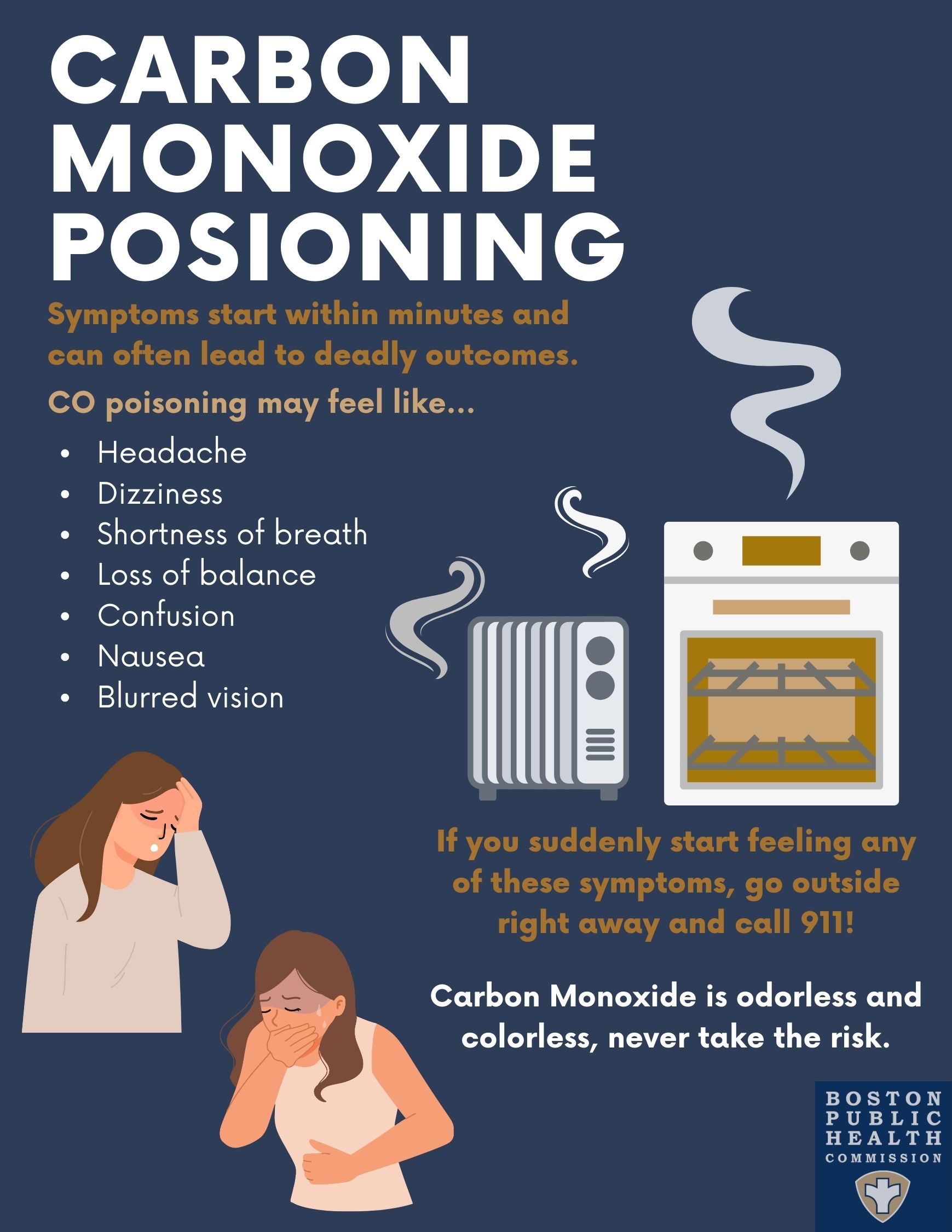
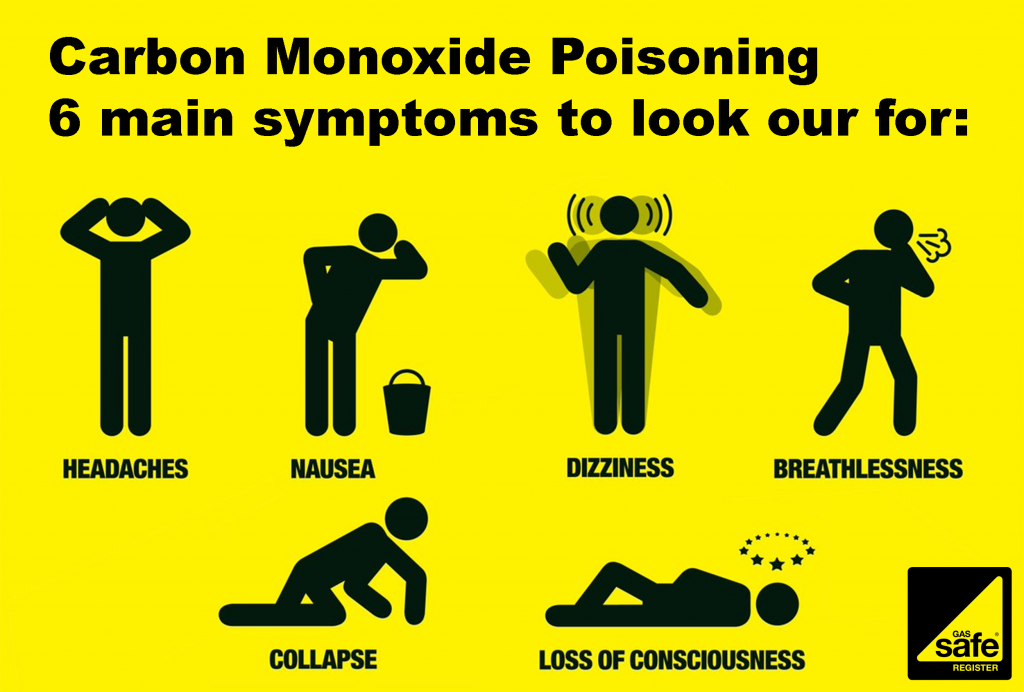
This one is particularly fascinating. If you have pets, they might actually be the first to show signs of CO exposure. Because they're smaller and often have faster metabolisms, they can react more quickly to lower levels of CO. If your usually playful cat or dog suddenly seems lethargic, weak, or starts vomiting without any other obvious cause, it's worth considering. They're like little biological CO detectors, sounding an early, furry alarm. Isn't that wild?
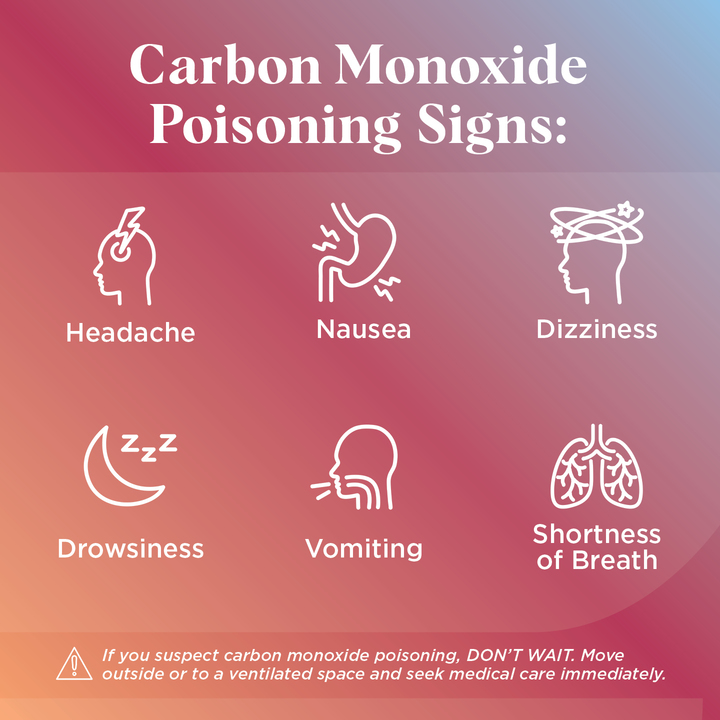
The Real MVP: A CO Detector
Okay, all these clues are super interesting, and being a home detective is a cool skill, but let's be real: the absolute best way to detect carbon monoxide is with a CO detector. Think of it as the ultimate, fool-proof superhero in your home. These gadgets are specifically designed to pick up CO long before your senses (or even your pets) can. They don't rely on quirky flames or weird smells; they just know. Having them placed strategically around your home is like giving your house an extra superpower.
So, next time you're just chilling at home, take a moment to look around. Notice those flames, check those vents, and just generally pay attention to the subtle whispers your house might be giving you. It's not about being paranoid; it's about being aware, curious, and smart. Understanding these sneaky signs means you're not just living in your house; you're actively looking out for it – and everyone in it!