
Should I Install An Attic Fan
Alright, let's chat about something that might seem a little... well, attic-y. We're talking about those mysterious attic fans. You know, those things tucked away in the highest, hottest part of your home, silently (or not so silently) doing... something. But what exactly is that something? And more importantly, should you even bother with one? Let's peel back the layers of insulation and take a curious peek, shall we?
The Great Attic Mystery: What's Hiding Up There?
Picture this: it's a scorching summer day. Your AC is humming away, trying its best to keep your living room from turning into a tropical rainforest. But up above, in your attic, things are getting seriously toasty. We're talking temperatures that can hit 150 degrees Fahrenheit or even higher! That's like a desert sauna, right above your head. And guess what that does? It makes your entire house work harder, struggling against that oppressive heat radiating downwards.
Enter the attic fan. Is it a hero? A villain? Or just another one of those gadgets we hear about but never quite understand? Let's explore.
Must Read
So, What Is an Attic Fan, Anyway?
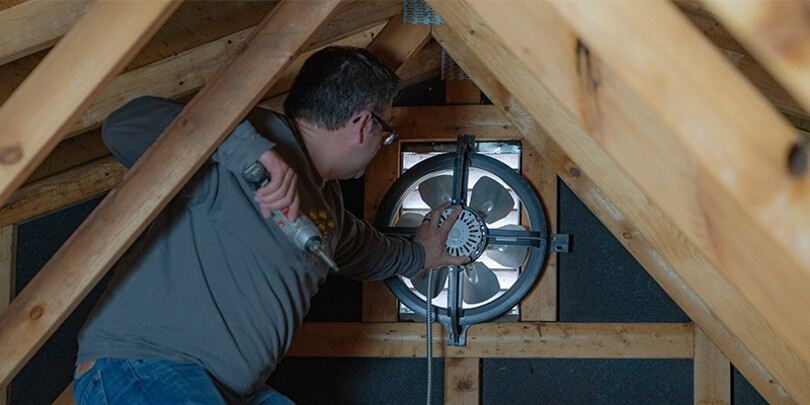
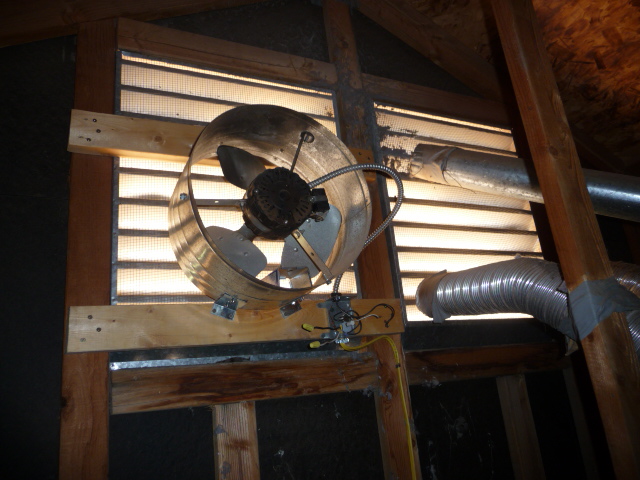
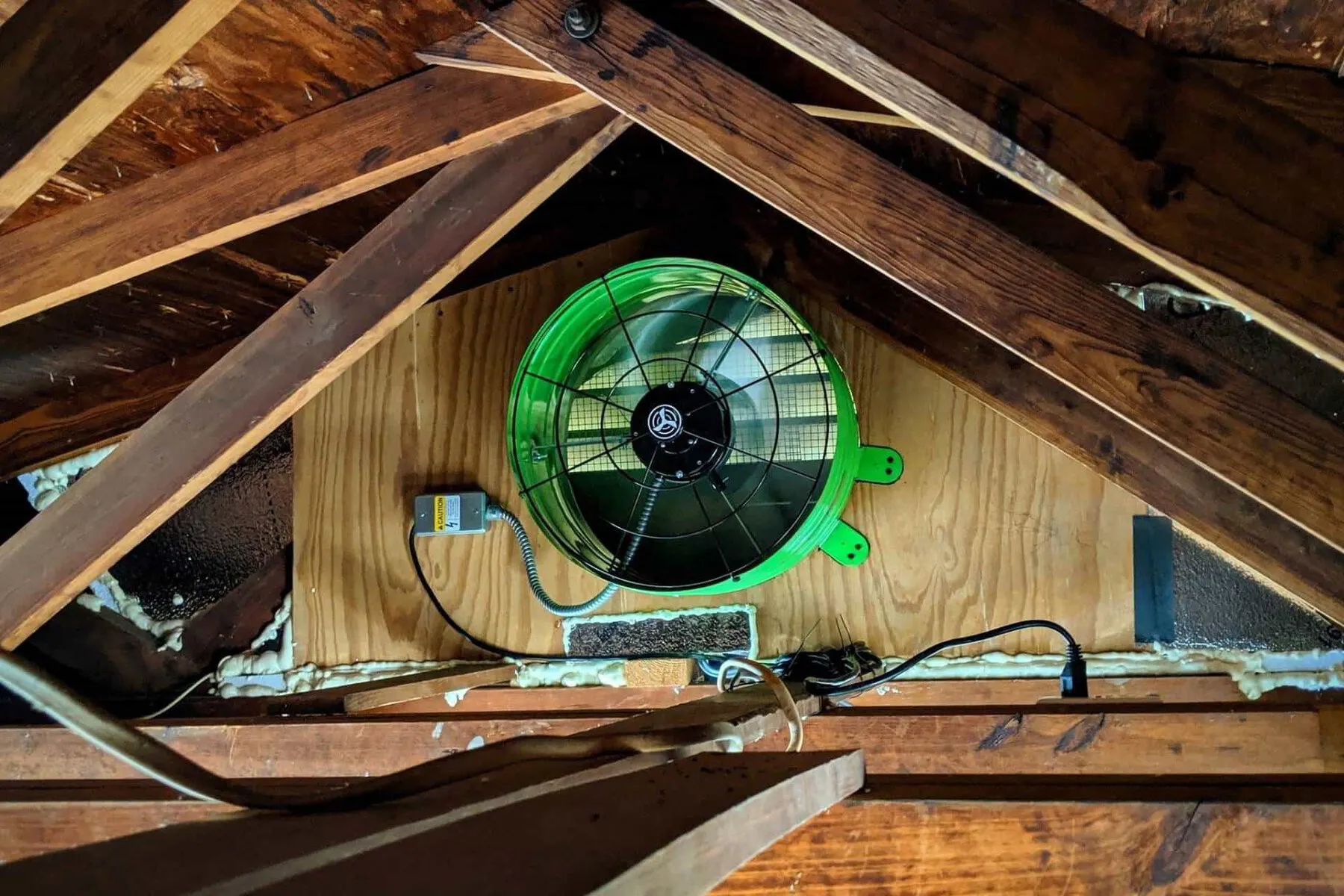
Simply put, an attic fan is a mechanical fan installed in your attic space. Its job is to actively pull the hot, stagnant air out of your attic and push it outside. Think of it as your attic's personal exhaust system, similar to the one in your bathroom or kitchen, but on a much grander scale.
They can be powered by electricity, or for the eco-conscious among us, some even run on solar power! Pretty neat, right? The goal is always the same: get that blistering air out.
Why Would My House Want a Tiny Tornado in its Attic?
This is where it gets interesting. The core idea is all about creating a cooler, more efficient home. Here are a few juicy reasons why an attic fan might be a game-changer for you:
1. Kicking That Hot Air to the Curb
Remember that 150-degree attic? An attic fan helps to significantly reduce those extreme temperatures. By constantly cycling out the superheated air and drawing in cooler air from outside (via your soffit vents, ideally), it keeps your attic from becoming an oven. Imagine your house taking a deep, refreshing breath.
2. Giving Your AC a Much-Needed Break
If your attic is less of a sauna, it means less heat is radiating down into your living spaces. What does that mean for your air conditioner? Less work! When your AC doesn't have to fight against a superheated ceiling, it runs more efficiently, potentially leading to lower energy bills. Who doesn't love that?

3. Protecting Your Roof (Yes, Really!)
Extreme heat and moisture can be tough on your roof's components, like shingles and underlying wood. By keeping the attic cooler and drier, an attic fan can actually help to extend the lifespan of your roof. It's like giving your roof a little spa treatment to help it handle the elements better.
4. Battling the Moisture Monster
Beyond just heat, attics can also trap moisture, especially in humid climates or during colder months if there's inadequate insulation. This moisture can lead to all sorts of nasty things like mold and mildew. A well-ventilated attic, aided by a fan, helps to prevent moisture buildup, keeping things dry and healthy up there.
But Wait, Are There Any Catches? The Curious Questions
Okay, so it sounds pretty good so far. But like with any home improvement, it’s worth asking: are there any downsides? Or things to be mindful of?
"Is My Attic Already Breathing Fine?"
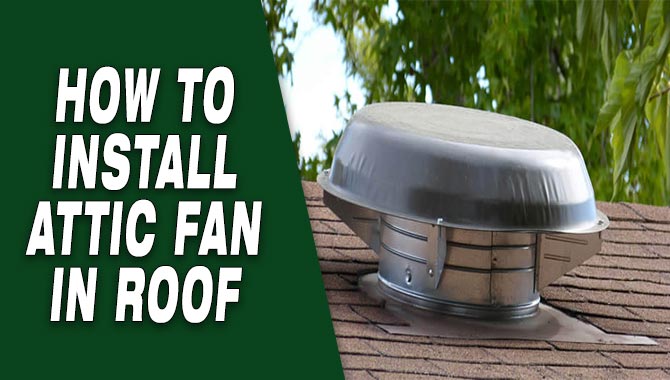
This is a big one. Many homes actually have what's called "passive ventilation" through things like soffit vents (under your eaves) and ridge vents (along the peak of your roof). These rely on natural convection – hot air rises and escapes through the ridge, pulling cooler air in through the soffits. If your attic already has excellent passive ventilation, a fan might not provide as dramatic a benefit, or in some cases, could even interfere with the natural airflow if not installed correctly.
"Will It Pull My Cooled Air Out?"
Ah, the dreaded "negative pressure" scenario. If your attic isn't properly sealed off from your living spaces (think leaky can lights, unsealed attic hatches, gaps around pipes), a powerful attic fan could potentially suck your nice, conditioned air out of your house and into the attic, only to then expel it outside. That's definitely not what we want! So, ensuring your attic is well-sealed from your living space is crucial.
"What About the Noise Factor?"
While many modern attic fans are designed to be relatively quiet, some older or less expensive models can be a bit noisy. If your bedroom is directly below the attic fan, you might want to consider the noise level. However, for most, it's a minor consideration, as they typically aren't running 24/7 and are separated by insulation.
So, Should You Join the Attic Fan Club?
Ultimately, the decision isn't a simple yes or no. It really depends on your specific home, climate, and existing ventilation setup.
- Do you live in a hot climate?
- Does your AC constantly feel like it's fighting a losing battle?
- Are your energy bills making you wince?
- Have you ever felt the searing heat radiating from your ceiling?
If you answered yes to some of these, an attic fan might be a very smart addition to your home. It's about optimizing your home's performance and making it more comfortable and energy-efficient.
The best way to figure it out? Consider having an energy audit or consulting with an HVAC professional. They can assess your current attic ventilation, check for air leaks, and help you determine if an attic fan is the missing puzzle piece for your home's comfort and efficiency. It might just be the little bit of mechanical magic your home needs to breathe easier and beat the heat!