Should I Evacuate For A Category 3 Hurricane

Okay, so a Category 3 hurricane is headed your way. Suddenly, that relaxing beach vibe is replaced with a whole lot of "should I stay or should I go?" Let’s be honest, nobody wants to evacuate. It's stressful, disruptive, and can feel like a major inconvenience. But knowing when to bug out can literally be a lifesaver. Thinking about whether to evacuate or not feels scary, but it’s a crucial skill to have when you live in an area prone to hurricanes. Plus, being prepared makes you feel empowered, not panicked!
The purpose of thinking through this question, "Should I evacuate?" differs depending on who you are. For beginners, the goal is simple: understand the potential dangers of a Category 3 hurricane and recognize when authorities advise evacuation. The benefit? Safety, plain and simple. For families, it's about protecting your loved ones, including pets. Evacuation allows you to prioritize their well-being, especially if you have young children or elderly relatives. And for those with specific hobbies or interests, like boat owners, knowing when to evacuate gives you time to secure your property and mitigate potential damage.
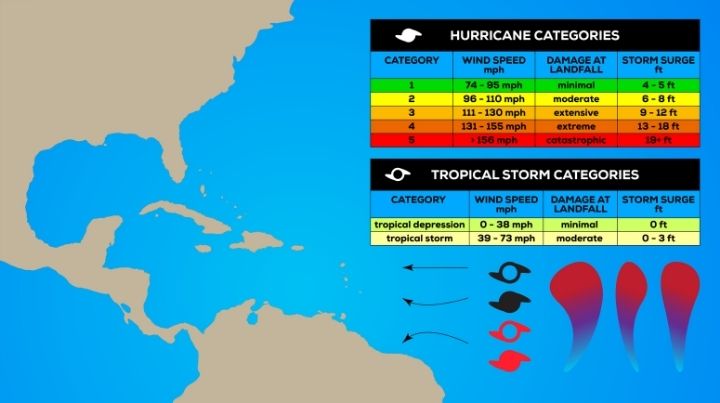
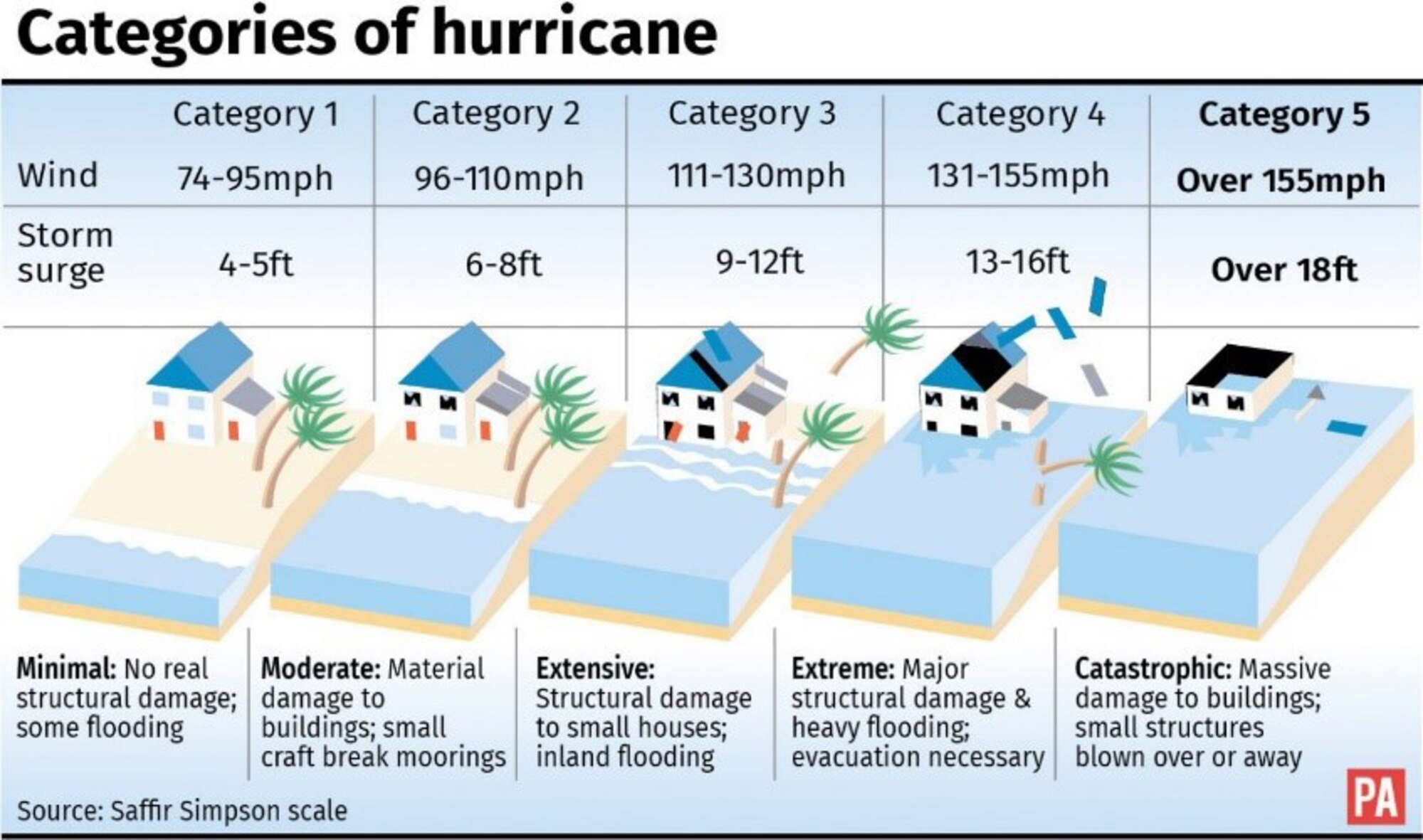
So, what exactly are we talking about with a Category 3? Think sustained winds of 111-129 mph. That translates to significant damage: downed trees, power outages lasting days or even weeks, and structural damage to homes. Coastal areas experience devastating storm surge. Let’s consider some examples. Imagine living in a low-lying coastal area. A Category 3 hurricane could bring a storm surge that inundates your home. Or, picture a family living inland, but near a river that's prone to flooding. Heavy rains could cause dangerous flash floods. On the other hand, if you live on high ground, far from the coast and major waterways, and your home is well-built, you might be safer sheltering in place – but only if you've adequately prepared and local authorities haven't issued mandatory evacuation orders.
Must Read
Here are some simple, practical tips to help you decide and prepare:
- Know your zone: Find out if you live in an evacuation zone. Your local emergency management agency will have this information online.
- Heed official warnings: Pay close attention to weather forecasts and evacuation orders from local officials. If they say evacuate, evacuate! They have access to the best information and are prioritizing your safety.
- Have a plan: Develop an evacuation plan in advance. Where will you go? How will you get there? What will you bring? Practice the plan with your family.
- Gather supplies: Stock up on essential supplies like water, non-perishable food, medications, a first-aid kit, a flashlight, and a battery-powered radio.
- Consider your home: How well-built is your home? Is it prone to flooding? Does it have hurricane shutters?
Ultimately, deciding whether to evacuate for a Category 3 hurricane is a personal decision based on your individual circumstances and risk tolerance. However, prioritizing safety and heeding official warnings are always the best courses of action. While the preparation might seem daunting, knowing you've done everything you can to protect yourself and your loved ones brings a sense of peace and control, even amidst the storm clouds. Plus, think of the road trip! Okay, maybe not the best time for sightseeing, but facing a challenge head-on and coming out prepared? Now that’s valuable!