Should Fans Spin Clockwise Or Counterclockwise
Hey, you ever just stare at your ceiling fan and wonder… which way should that thing be spinning? I mean, it's not like there's a little arrow, right? (Though, wouldn't that be convenient?) It's a question that’s plagued humanity… well, maybe just us practical types. Let's break it down, shall we?
Summer Vibes: Counterclockwise Coolness
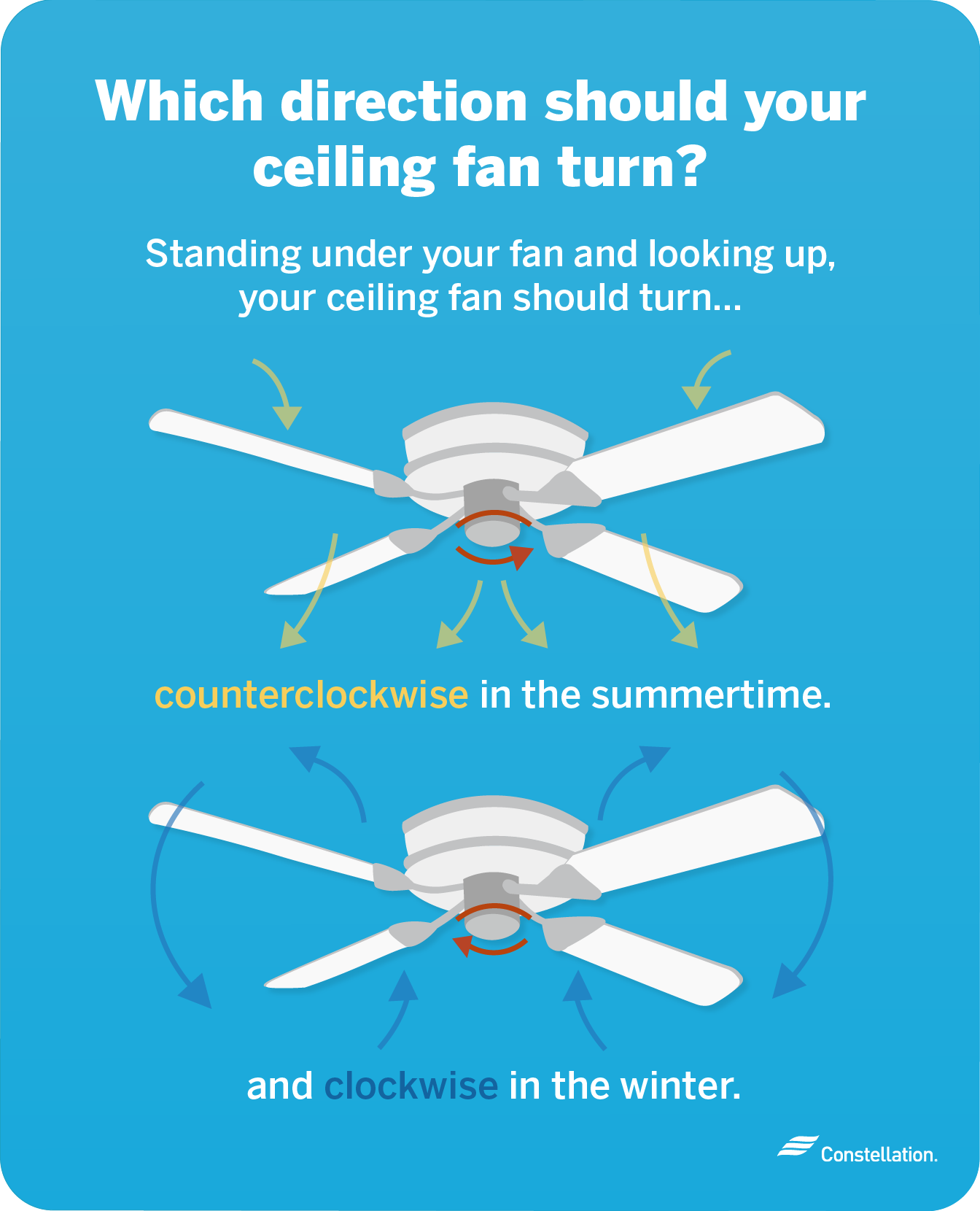
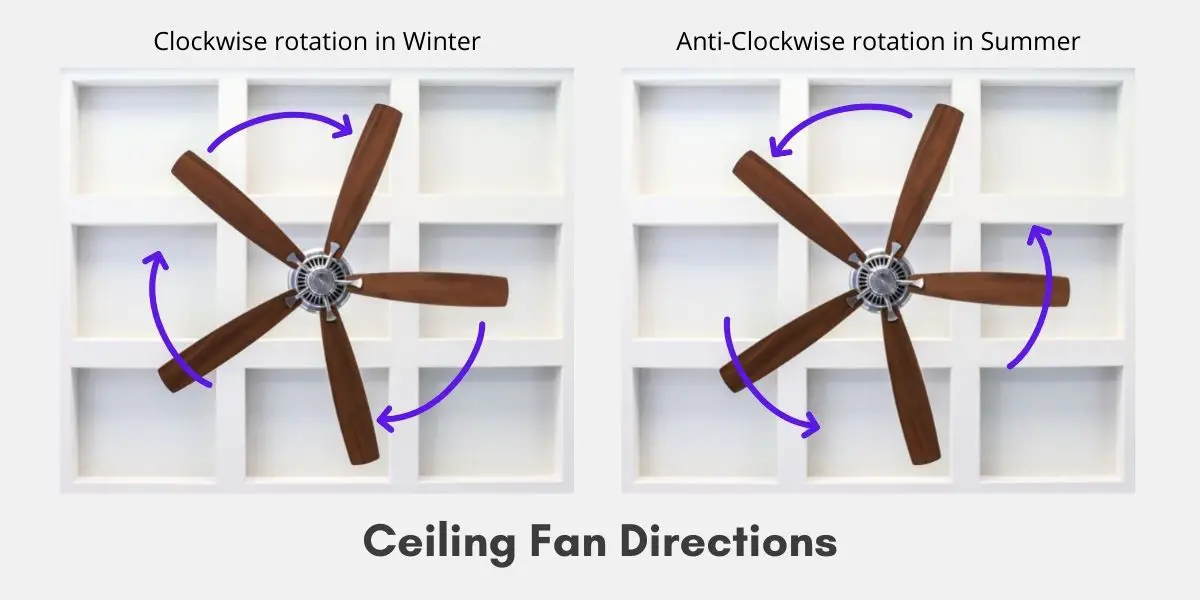
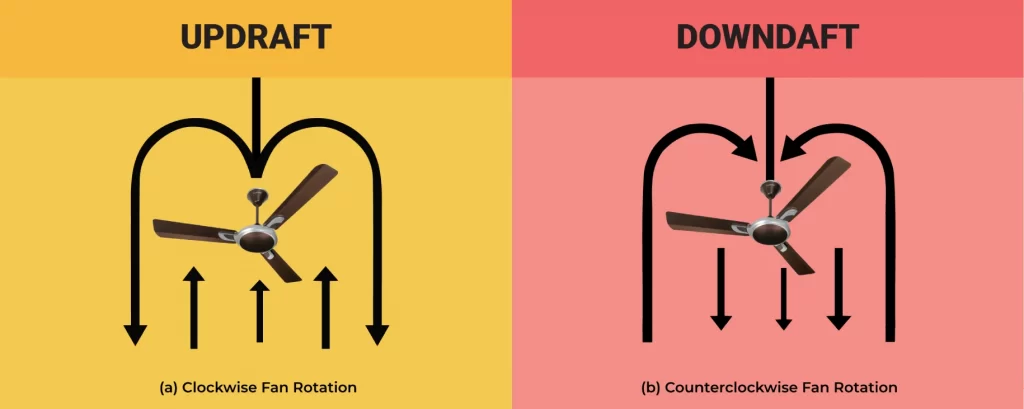
Okay, so picture this: it's the peak of summer. You're melting. Even the ice cubes in your drink are sweating. What you need is a blast of sweet, sweet relief. This is when you want that fan spinning counterclockwise. Think of it as the fan doing its best helicopter impersonation, pushing air down and creating that lovely, refreshing breeze. Ahhh, bliss.
That downward flow is key. It's like the fan is saying, "Here, have some cool air! You deserve it!" It's all about direct cooling, folks. And let’s be honest, who doesn't love a direct approach when you're battling a heatwave?
Must Read
Winter Warmth: Clockwise Cozy
Now, fast forward a few months. The leaves are changing, pumpkin spice lattes are everywhere (whether you like it or not!), and you’re reaching for that extra blanket. Time to switch gears! Or, more accurately, time to switch the fan’s direction. We're talking clockwise rotation now.
Why clockwise? Well, instead of blowing air down, it's gently pulling air up. This forces the warm air that naturally rises to the ceiling (because warm air is a show-off like that) back down along the walls. It's like a gentle reminder: "Hey, warm air, come back down here where we need you!"
![Ceiling Fan Directions for Summer vs Winter [Infographic]](https://airflowacademy.com/wp-content/uploads/2021/06/ceiling-fan-direction-for-summer.jpg)
It’s not going to feel like a direct breeze on your skin, no. But think of it as a subtle warmth distribution system. Sneaky, but effective! So, you're thinking it's kind of pointless? It can actually help lower your heating bill! Who doesn't want that?
But Wait, There's More! The Speed Factor
Direction isn't the only thing that matters. The speed is crucial too! You don't want hurricane-force winds indoors, unless you're going for that extreme home makeover show vibe. In the summer, a higher speed usually gives you that desired cooling effect. In the winter, a slower speed is all you need to gently circulate the warm air. Don't overdo it! Unless, of course, you enjoy chasing flying papers around your living room.
Finding That Sweet Spot: The Experimentation Phase
Here's the thing: every room is different. Your ceiling height, the size of the room, your personal temperature preferences… it all plays a role. So, don't be afraid to experiment a little! Flip that switch (usually found on the fan motor housing – look closely!). Try different speeds. See what feels best for you.
After all, this isn't rocket science (unless you are a rocket scientist, in which case, maybe this is rocket science for you? Just kidding!). It's all about creating a comfortable environment. Your comfort is the goal. So, adjust away until it feels just right! Remember, there's no fan police judging your choices (probably!).

The Ultimate Question: Do Fans Really Make a Difference?
Okay, let's get real for a sec. Do ceiling fans actually make a significant difference? Well, they won't replace your AC or furnace, that's for sure. But they can help! By circulating air, they make the room feel cooler in the summer and help distribute warmth in the winter. They can definitely contribute to energy savings, even if it’s just a little bit.
So, the next time you're pondering the mysteries of life, or just staring blankly at your ceiling fan, remember this: counterclockwise for cool, clockwise for cozy. And don't forget to adjust that speed! Happy spinning!