
Should A Fan Spin Clockwise Or Counterclockwise
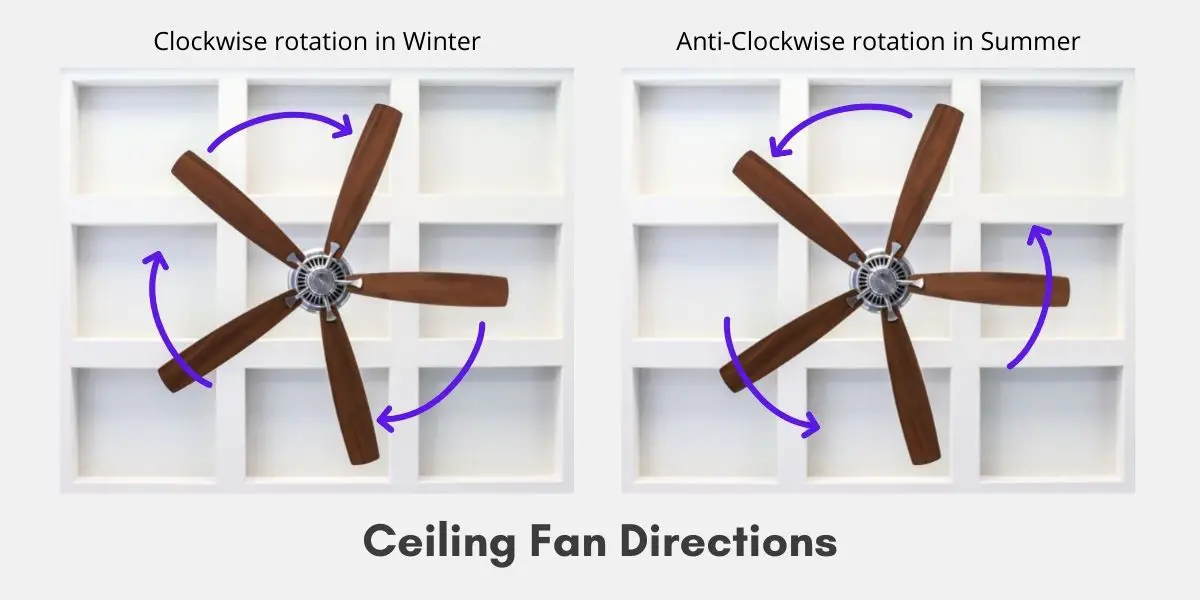
Alright, folks, gather 'round! Let's settle a debate that's been raging hotter than a dragon's breath since the invention of the ceiling fan: which way should that whirly-bird spin? Clockwise or counterclockwise? It sounds simple, right? But trust me, this is a Pandora's Box of airflow anxiety, and I’m about to unleash the breezy truth!
First off, let’s address the elephant in the room, or rather, the sweaty mammoth in the living room. We're talking about comfort. Pure, unadulterated, temperature-regulating bliss. We want to avoid feeling like we’re trapped in a sauna run by a particularly enthusiastic Viking. So, how do we achieve this?
Summer Lovin', Happenin' Fast (and Counterclockwise!)
Think of it this way: in the summer, you want that fan to push air straight down. Picture a gentle giant giving you a comforting hug of coolness. That’s what we’re aiming for. And, drumroll please… that means setting that bad boy to spin counterclockwise.
Must Read
I know, I know, it sounds like something out of a Dan Brown novel. "The Da Vinci Code of Fan Direction!" But it's true. When the fan spins counterclockwise, the angled blades create a downward draft. This downward airflow creates a wind-chill effect, making you feel several degrees cooler. It's like your own personal, miniature weather system! Just remember: counterclockwise = cool comfort. Got it? Good.
Now, some people swear they can feel the difference between slightly counterclockwise and aggressively counterclockwise. These people are probably also capable of detecting the individual notes in a dog's bark. While their dedication is admirable, let's stick to the basics for now.

Winter is Coming… And So is Clockwise!
Okay, so summer’s sorted. But what about when the days get shorter, the nights get longer, and you start wearing socks with sandals (don't deny it, we've all been there)? That’s when it’s time to unleash the clockwise power!
Hold on, I know what you’re thinking: "Wait, but I want to be warm in the winter! Shouldn't it still blow down?" Nope! The goal in winter is to pull air up. Specifically, the warm air that naturally rises and gets trapped near the ceiling.
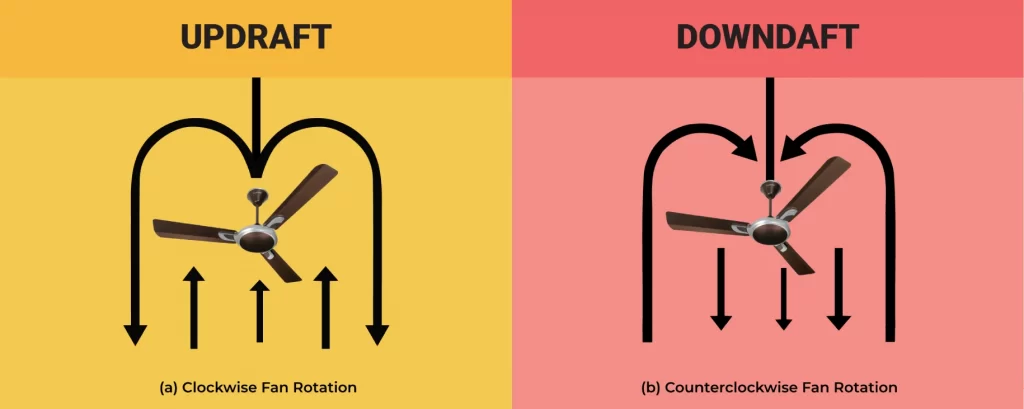
When you switch your fan to spin clockwise at a low speed (key point: LOW SPEED!), it gently pushes that warm air back down the walls. Think of it as a warm air re-distribution system. A warm hug from above is good, but having even heat around the room is even better. This circulates the warm air and reduces those annoying cold spots near the floor.
Imagine your fan as a tiny, tireless heat sherpa, guiding the warmth down from the Himalayan heights of your ceiling to the shivering valleys of your floor. See? Much more efficient, and slightly less dramatic.
Important note: You don't want the fan spinning super-fast in the winter. That will just create a wind tunnel and make you feel even colder. A gentle, almost imperceptible rotation is all you need. Think "subtle suggestion," not "Arctic blast."
![Ceiling Fan Directions for Summer vs Winter [Infographic]](https://airflowacademy.com/wp-content/uploads/2021/06/ceiling-fan-direction-for-summer.jpg)
The Great Fan Direction Conspiracy (Just Kidding… Mostly)
Now, I know what some of you are thinking: "Is this all just a giant conspiracy by Big Fan to sell us more fans with reversible motors?" To which I say… maybe? But probably not. The laws of physics are pretty clear on this one. Warm air rises, cool air sinks. The fan is just a tool to help manipulate those natural tendencies to our comfort-seeking advantage.
So, the next time you find yourself sweating in the summer or shivering in the winter, take a moment to assess your fan’s direction. It might just be the simplest, cheapest way to dramatically improve your indoor climate.
![Ceiling Fan Directions for Summer vs Winter [Infographic]](https://airflowacademy.com/wp-content/uploads/2021/06/Ceiling-fan-directions-infographic-828x1536.jpg)
And if all else fails, just blame the cat. They probably changed the settings when you weren't looking.
In summary:
- Summer: Counterclockwise (cool breeze down).
- Winter: Clockwise, low speed (warm air circulated).
Now go forth and conquer the mysteries of airflow! May your days be breezy and your nights be comfortable. And remember, if your fan starts levitating or talking, it's probably time to call an electrician. Or maybe an exorcist. Just saying.