Should A Fan Rotate Clockwise Or Counterclockwise
Ever find yourself staring up at your ceiling fan, wondering if it's spinning the "right" way? It's a surprisingly common question, and understanding fan direction is more than just a quirky curiosity. It can actually make a noticeable difference in your comfort and even save you money on your energy bill. Plus, it's an easy fix that anyone can do!
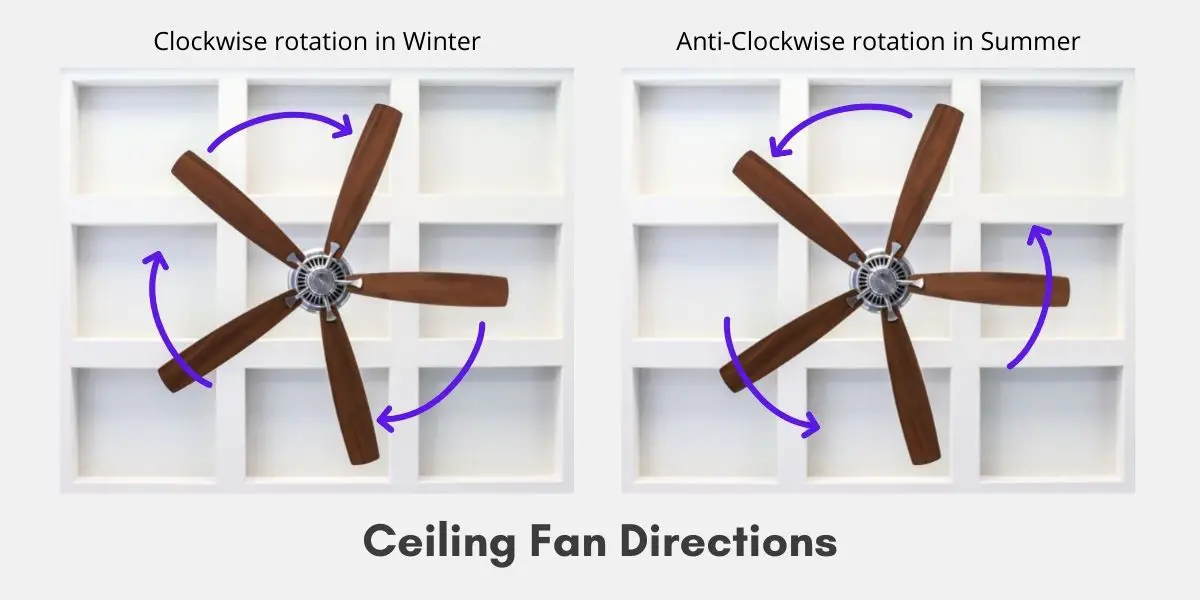
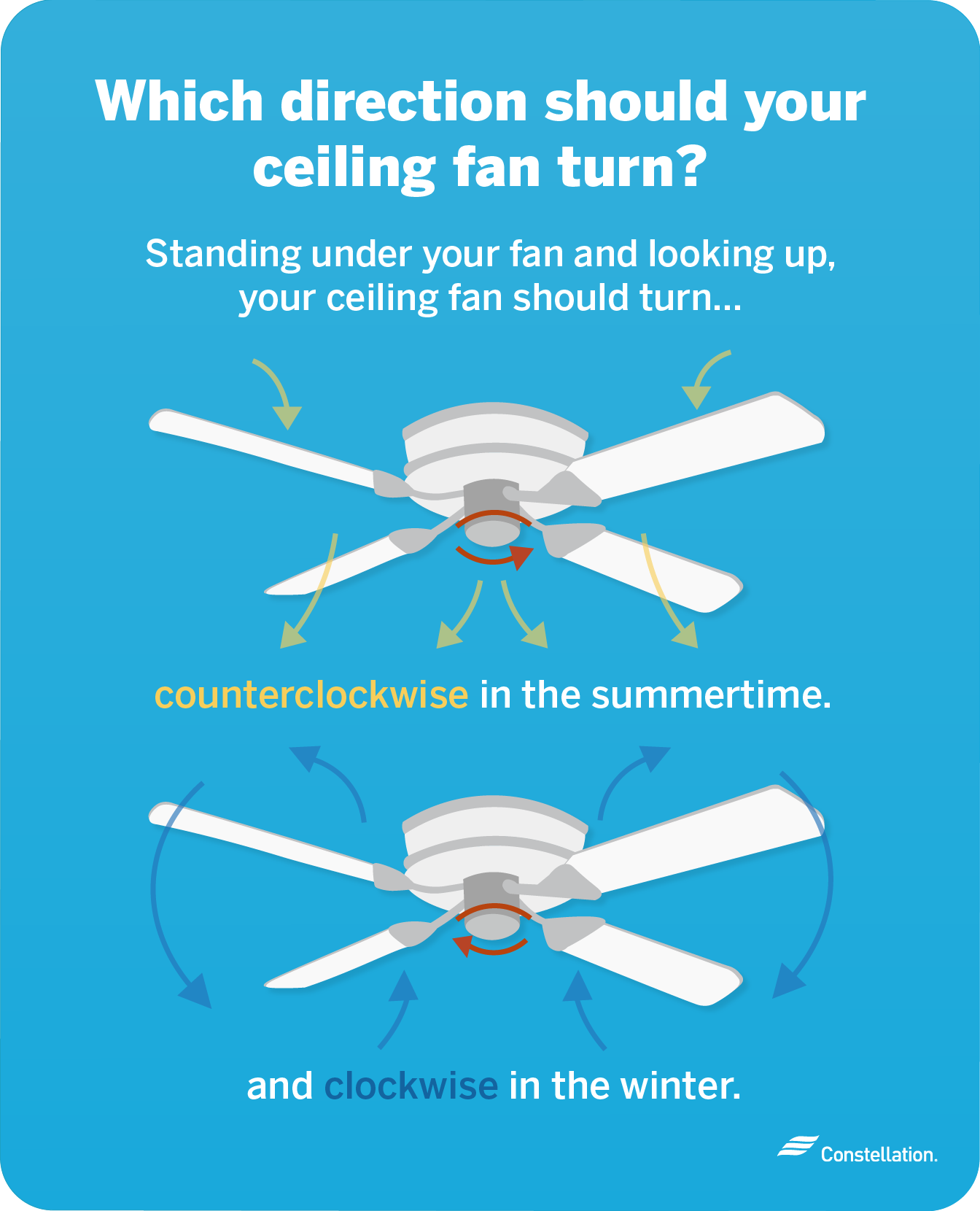
The secret lies in aligning your fan's rotation with the seasons. For beginners, the basic principle is this: in the summer, you want a downward breeze to cool you off. In the winter, you want to gently circulate warm air trapped near the ceiling without creating a chilling draft. It's all about maximizing your comfort and efficiency.
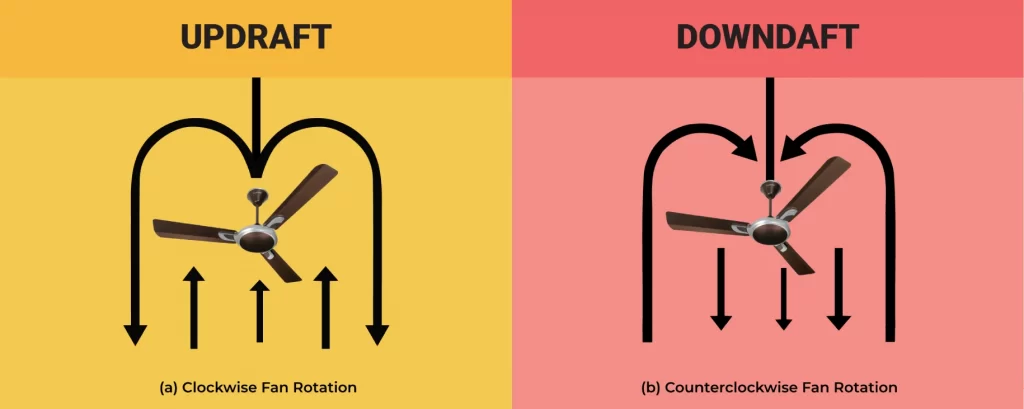
For families looking to save on energy costs, understanding fan direction is a game-changer. During the summer, ensure your fan is rotating counterclockwise (when looking up at it). This pushes the air down, creating a refreshing breeze that allows you to raise your thermostat a few degrees without sacrificing comfort. This seemingly small adjustment can lead to significant savings over the course of the summer months. In the winter, reverse the direction to clockwise. This pulls the cooler air upwards, forcing the warmer air near the ceiling down into the room. It reduces the need to crank up the heat, again contributing to lower energy bills. Think of it as a simple way to make your home more energy-efficient and comfortable for everyone.
Must Read
Hobbyists and those who enjoy tinkering might find themselves delving deeper into the aerodynamics of fan blades. The angle of the blades, combined with the direction of rotation, determines the airflow pattern. Some fans have more aggressive blade angles designed for maximum airflow in one direction, while others are more balanced. Experimenting with different speeds and directions can help you optimize the airflow in different rooms of your home. Consider the size of the room and the height of the ceiling when making adjustments. You might even find that a slightly lower fan speed is more effective in certain situations.
So, how do you actually change the direction of your fan? Most ceiling fans have a small switch located on the motor housing, usually near the light fixture. This switch controls the direction of rotation. Before flipping the switch, always turn the fan off completely. Once the fan has come to a complete stop, flip the switch to the opposite position. Then, turn the fan back on and observe the direction of rotation. If it's not the direction you intended, simply repeat the process.
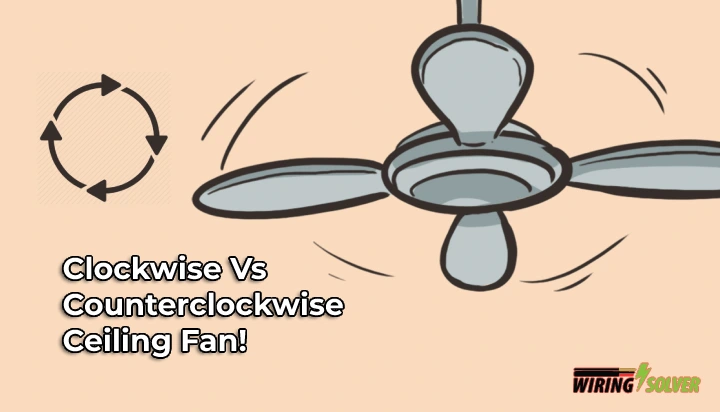
Practical tip: if you’re unsure which way your fan is rotating, stand directly underneath it and feel the airflow. If you feel a strong downward breeze, it's likely rotating counterclockwise (summer mode). If you don't feel a breeze or feel a very gentle upward draft, it's likely rotating clockwise (winter mode). You can also use a lightweight piece of paper or tissue. Hold it under the fan and observe which way it blows.
Understanding the simple science behind ceiling fan direction can make a surprisingly big difference in your comfort and your wallet. Whether you're a seasoned homeowner or just starting out, taking a few minutes to adjust your fan's rotation each season is a small effort that yields tangible benefits. So, give it a try and enjoy a more comfortable and energy-efficient home!