
Should A Ceiling Fan Turn Clockwise In The Summer

Alright, gather 'round, folks! Let's talk ceiling fans. I know, I know, riveting stuff, right? But trust me, this is more exciting than watching paint dry. We're diving deep into the age-old question that has plagued humanity (okay, maybe just the folks trying to save a buck on their electricity bill): Should your ceiling fan be spinning like a top in a clockwise or counter-clockwise direction during the sweltering summer months?
Now, you might be thinking, "Who cares? As long as it's blowing air, I'm happy!" And I get that. But consider this: you've been living a lie! A breezy, slightly sweaty, but still a lie. Because the direction of your ceiling fan actually makes a huge difference. Think of it as the secret handshake of indoor climate control. Mess it up, and you’re just wasting energy and looking silly to any HVAC aficionados who happen to be visiting.
The Great Fan Direction Debate: Summer Edition
The answer, my friends, is counter-clockwise! Boom. Mic drop. But wait, don't go anywhere. We need to understand why. It's not just some arbitrary rule dreamed up by the Illuminati of airflow. There's science involved! (Don’t worry, it's not the scary kind. It’s the fun, "impress your friends at parties" kind of science.)
Must Read
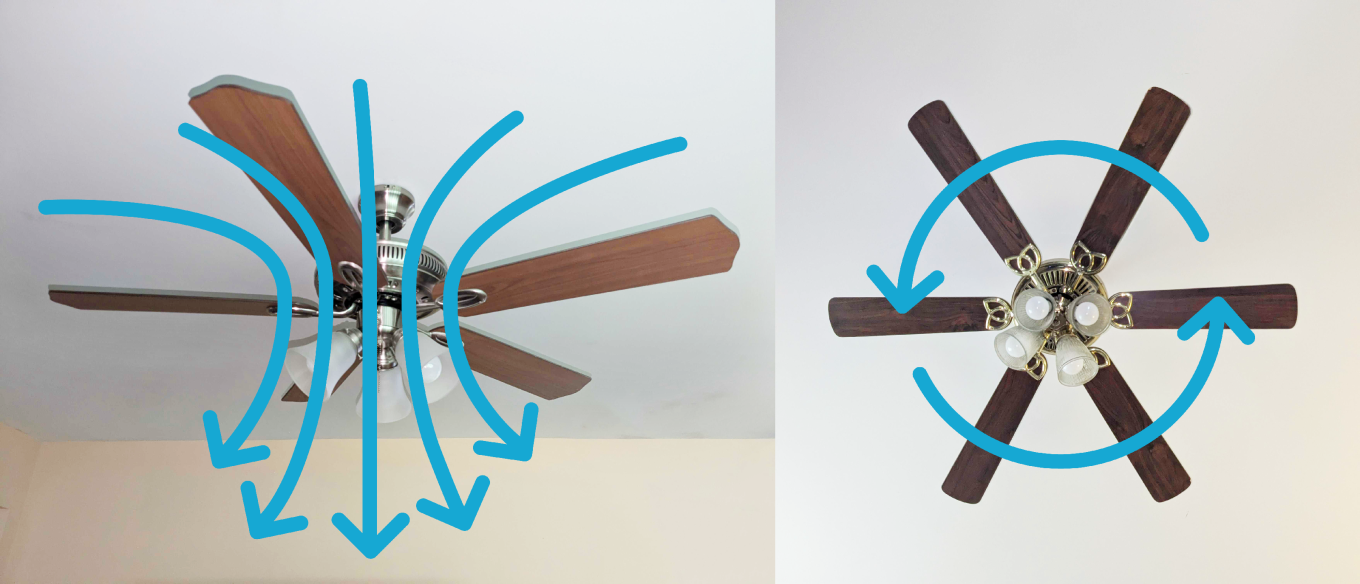
Imagine this: you're a tiny air molecule, just chilling near the ceiling. The ceiling fan, spinning counter-clockwise, is like a friendly giant hand, gently pushing you downwards. This creates a downdraft, a pleasant breeze that caresses your skin and makes you feel like you’re lounging on a tropical beach… except you’re probably just sweating on your couch, but hey, the illusion is important!
This downdraft isn't just for kicks and giggles. It actually cools you down. How? By helping your body evaporate sweat. Evaporation is a cooling process. Think of it like this: when sweat evaporates, it's like tiny ninjas stealing heat from your body. And the fan helps those ninjas do their job more efficiently. Clever, eh?
Clockwise Catastrophe: A Cautionary Tale
Now, let's talk about what happens if you foolishly set your fan to spin clockwise in the summer. (Don't worry, we all make mistakes. I once wore mismatched socks to a job interview. We've all been there.)
Clockwise in the summer is like trying to herd cats. It just doesn't work. Instead of creating a refreshing downdraft, it stirs the air upwards. This is great if you're trying to heat your house (which we'll talk about in the winter section, hold your horses!). But in the summer? You’re basically just creating a stagnant, swirling vortex of hot air near the ceiling. You might as well just open the oven and stick your head in. Okay, don't do that. That was a joke. But you get the point: clockwise in the summer is a bad idea.
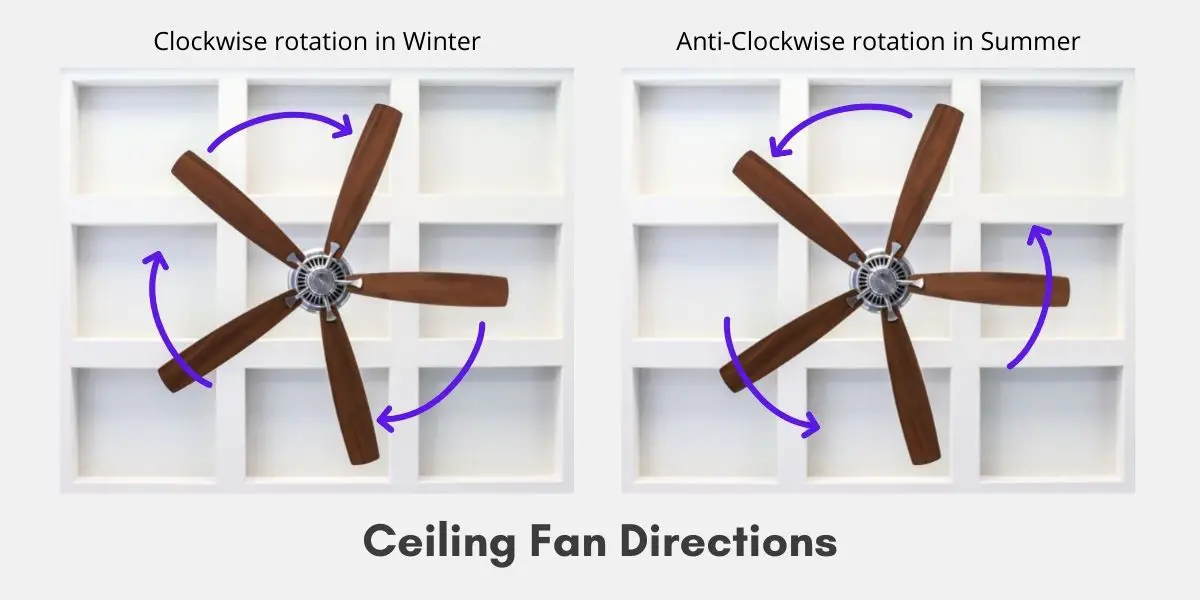
Pro-Tip: If you're not sure which way your fan is spinning, just stand directly underneath it. If you feel a gentle breeze, you're good to go (counter-clockwise). If you feel like you're standing in a hot air balloon, well, you know what to do.
The Winter is Coming (and Clockwise is Key)
Okay, okay, I know what you're thinking: "But what about winter?! You promised me winter! I need to know if I've been unknowingly torturing myself with clockwise fan-induced heat loss all these years!"
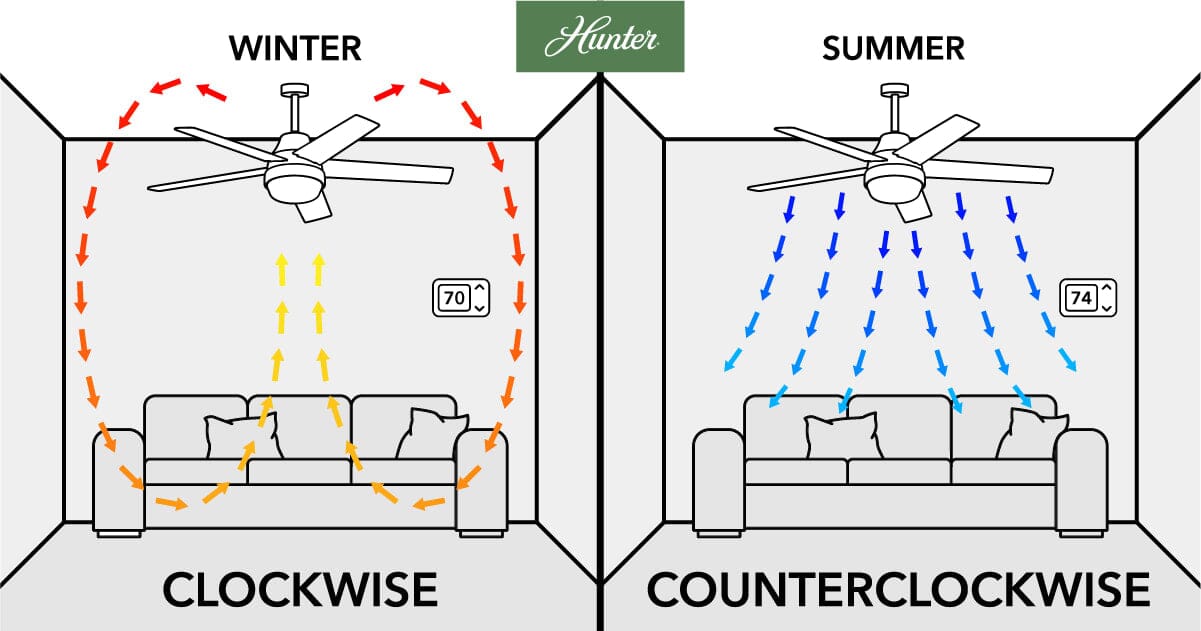
Fear not, my friend! Winter is where clockwise gets its redemption arc. In the winter, you do want your fan spinning clockwise. Why? Because hot air rises, remember? By setting your fan to clockwise (usually at a lower speed), you're gently pushing that warm air that's accumulated near the ceiling back down towards you. It's like a warm, comforting hug from your ceiling fan. Just don't actually hug your ceiling fan. That's weird.
This helps to distribute the heat more evenly throughout the room, preventing that awful situation where your feet are freezing while your head is sweating. Plus, it can actually save you money on your heating bill! Think of all the extra lattes you can buy with those savings!
Final Fan-tastic Thoughts
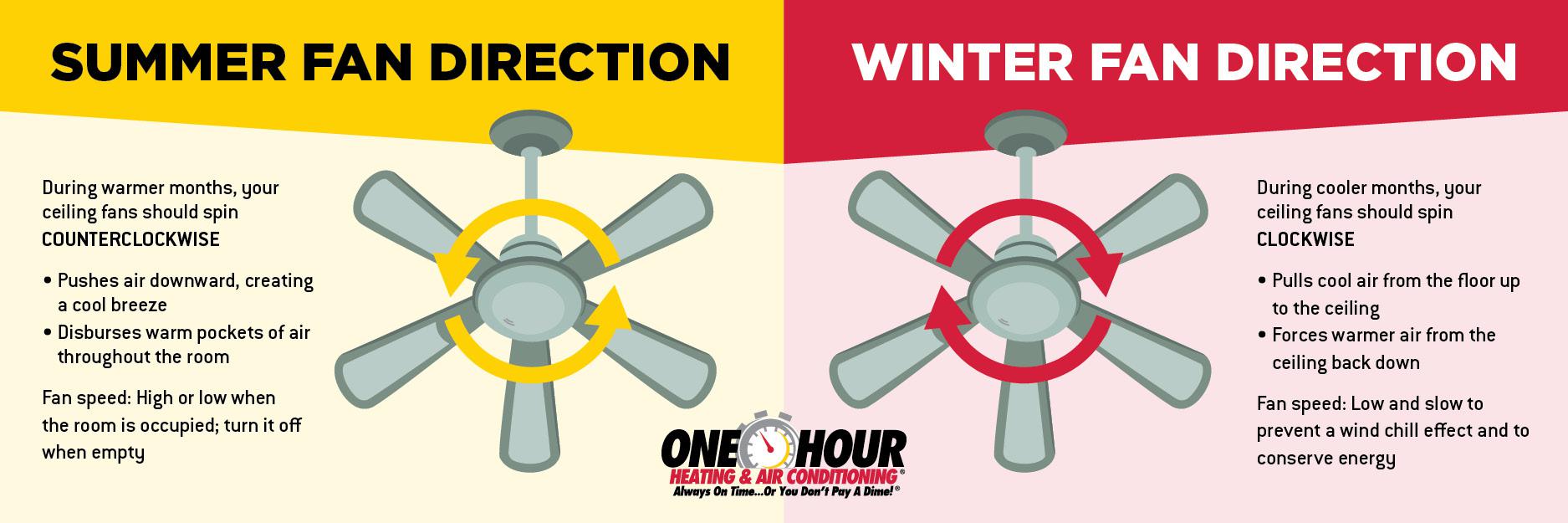
So, there you have it. The definitive guide to ceiling fan direction. Remember: counter-clockwise in the summer for a refreshing downdraft, and clockwise in the winter to circulate warm air. Now go forth and conquer your indoor climate! And maybe, just maybe, you'll finally be able to impress that HVAC aficionado neighbor of yours.
Just promise me you won't start lecturing everyone you meet about ceiling fan direction. Unless they ask. Then, by all means, unleash your newfound knowledge. Just blame me if they get annoyed.
Now, if you'll excuse me, I need to go adjust my ceiling fan. I think I've been living a clockwise lie myself.