Shielded Metal Arc Welding Electrode Classification
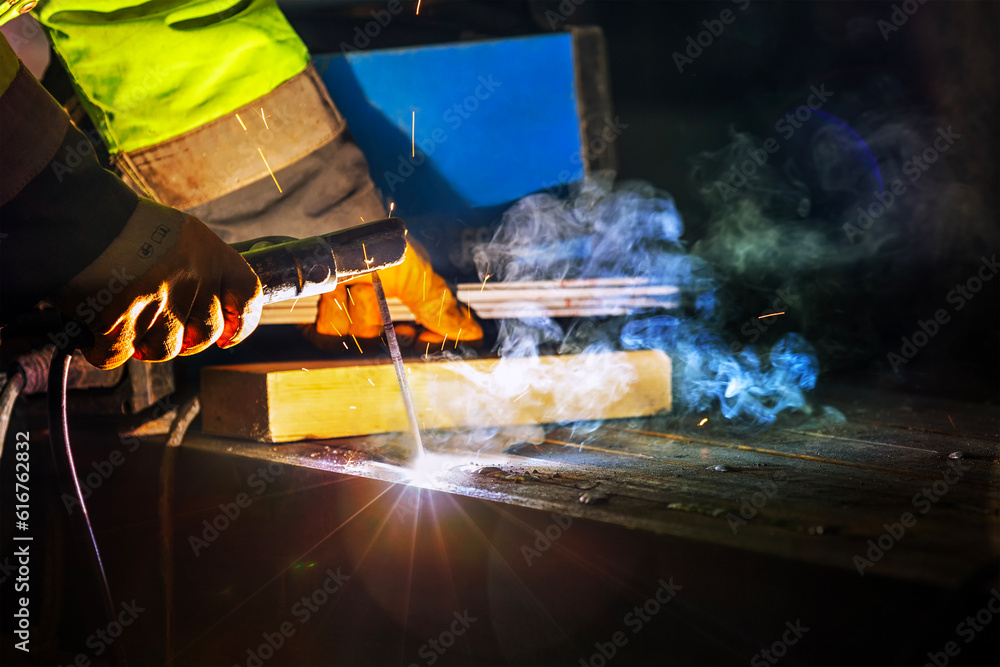
So, picture this: I’m in my garage, wrestling with a stubborn piece of angle iron. Sparks are flying, the smell of ozone is thick in the air, and I'm pretty sure I just welded my glove to the metal (again!). I thought I'd grabbed the right welding rod, but the weld looked... well, let's just say a toddler with a glue stick could have done better. That's when it hit me: maybe, just maybe, I should actually understand those cryptic numbers printed on the electrode box.
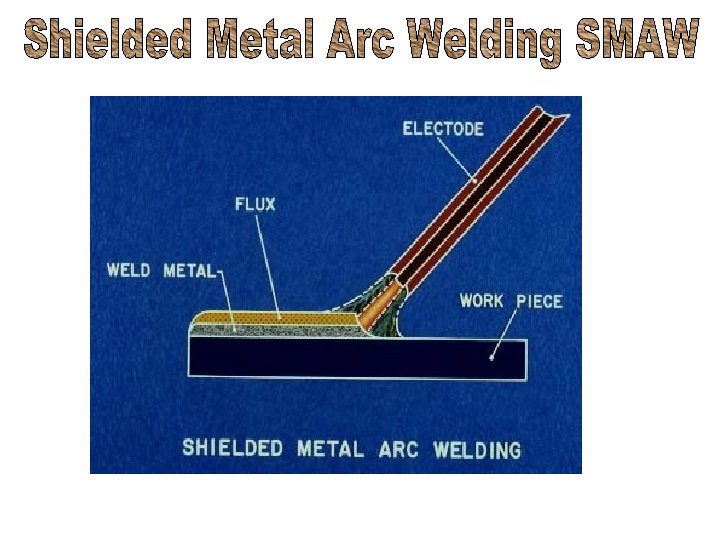
That little garage mishap led me down a rabbit hole, a rabbit hole filled with E's, numbers, and enough acronyms to make your head spin. But hey, learning about Shielded Metal Arc Welding (SMAW) electrode classification doesn't have to be a nightmare. Think of it as decoding a secret language, a language that can actually save you from embarrassing garage mishaps (and maybe a few bigger ones too!).
The All-Important "E"
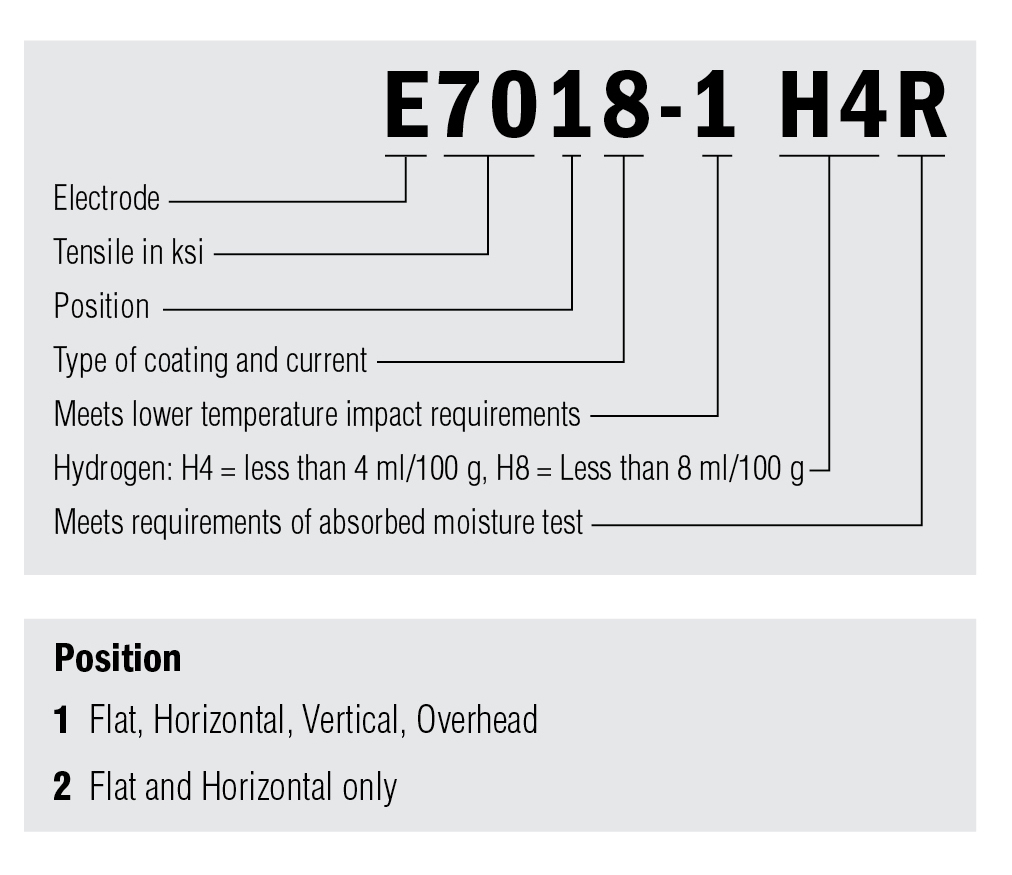
Okay, first things first: that big "E" at the beginning of the code. This is a pretty easy one. The "E" simply stands for electrode. Yeah, I know, mind-blowing, right? But it’s good to know the basics.
Must Read
Numbers: Unlocking the Code
Now for the fun part: the numbers! Let's use the good old E7018 electrode as an example. The first two digits (in this case, "70") tell you the minimum tensile strength of the weld metal, in thousands of pounds per square inch (psi). So, E7018 has a tensile strength of 70,000 psi. Got it? Great!
Side note: Always remember that this is the minimum tensile strength. The actual strength can be higher, depending on factors like welding technique and the base metal.
The third digit indicates the welding position. This is super important! Here's the breakdown:
- 1: All positions (flat, horizontal, vertical, and overhead)
- 2: Flat and horizontal positions only
- 4: Flat, horizontal, overhead, and vertical down.
So, an E7018 electrode (with that "1" in the third position) is suitable for welding in any position. Which is handy, especially when you're upside down under a car trying to fix something. Just kidding... mostly.
The Last Digit: The Secret Sauce
The last digit is where things get a little more… interesting. It indicates the type of coating on the electrode and the welding current you should use. This digit is all about usability. You'll need to consult a chart or the electrode manufacturer's information to decipher this one, as it varies. Think of it as the electrode's personality profile. For instance:
- E7018: This is a low-hydrogen electrode, typically used with DC+ (direct current electrode positive, also known as reverse polarity) but can sometimes be used with AC (alternating current) depending on the specific electrode. Low-hydrogen electrodes produce welds with excellent mechanical properties and are less prone to cracking. These are often used for critical applications.
- E6010: This electrode is known for deep penetration and is often used for root passes in pipe welding. It's typically used with DC+.
- E6013: This is a versatile electrode that can be used with AC or DC and is relatively easy to use, making it a good choice for beginners (like me… sometimes).
Pro Tip: Always check the manufacturer's specifications for the correct current and polarity settings for the electrode you're using. This will save you a lot of frustration and bad welds.
Decoding Other Numbers
Some electrodes have extra digits after the main four, often with a hyphen separating them. These usually indicate additional alloying elements or special properties. For example, an electrode might be designated "E7018-H4R". The "H4" indicates the diffusible hydrogen content (lower numbers are better), and the "R" indicates that it's resistant to moisture pickup. The more you know!
Why Bother Learning This?
Okay, so why should you care about all this number-crunching? Simple: choosing the right electrode is crucial for a strong, reliable weld. Using the wrong electrode can lead to weak welds, cracks, porosity, and other problems that can compromise the integrity of your project. Nobody wants that, right? Besides, understanding the electrode classification makes you sound super smart at the hardware store (or at least makes you look like you know what you’re doing).
So next time you're staring at a box of welding rods, don't just grab the first one you see. Take a moment to decipher the code. Your welds (and your garage projects) will thank you for it.