
Set Up And Operate Machines To Make Products
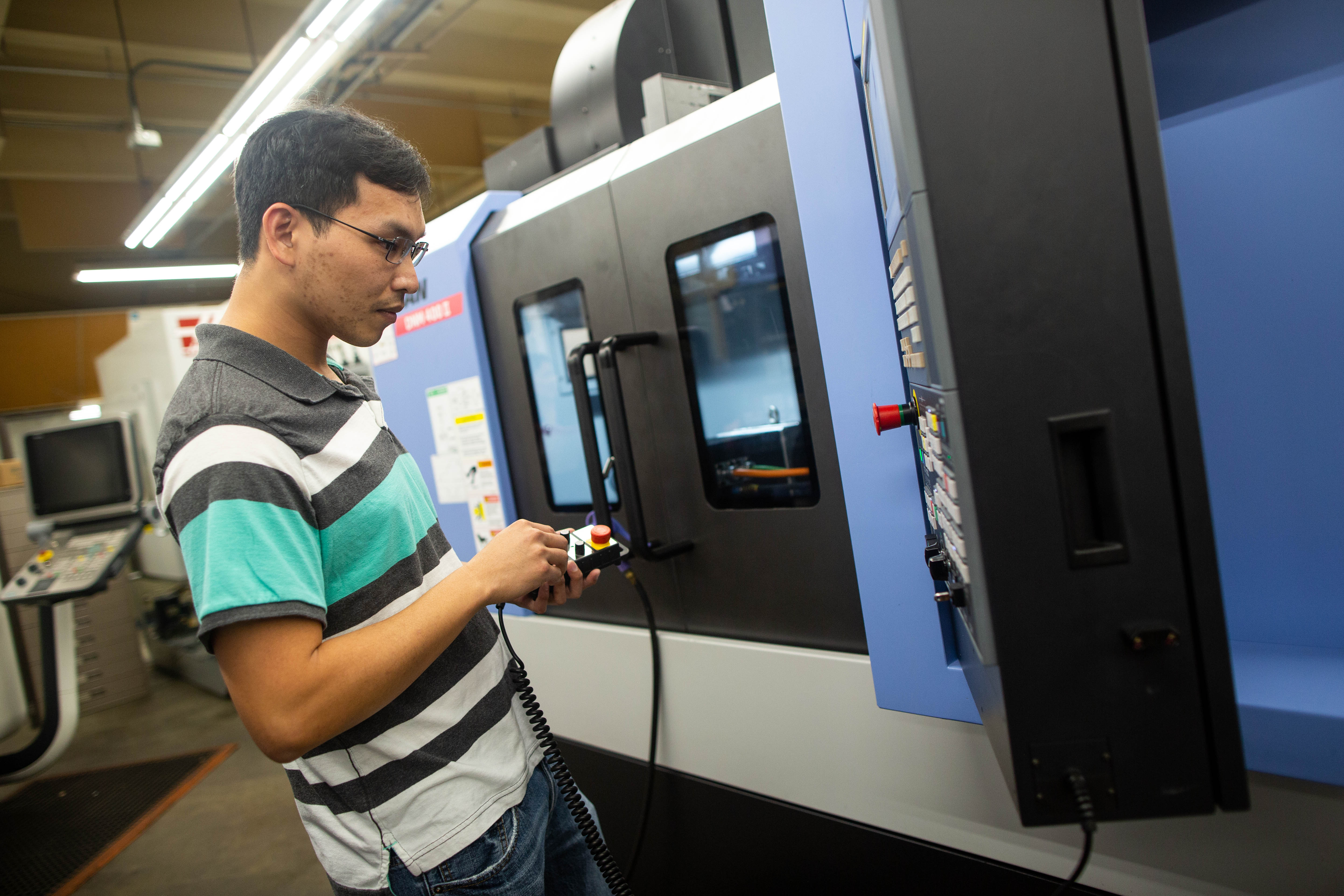
Hey there! Ever wondered how all the cool stuff you use every day – your phone, your snacks, even that ridiculously comfy chair you're probably sitting on right now – actually gets made? Well, buckle up, because we're diving headfirst into the fascinating (and surprisingly fun!) world of setting up and operating machines that churn out all these goodies!
Think of it like being a super-powered chef, but instead of whipping up a soufflé, you're orchestrating a symphony of gears, belts, and precisely timed movements to create, well, pretty much anything! Intrigued? Let’s get started!
First Things First: Know Your Machine!
Okay, imagine you just got this super-complicated robot vacuum cleaner. Would you just press a random button and hope for the best? Probably not (unless you're feeling adventurous, in which case, go for it! Just don't blame me if it attacks your pet). Same goes for industrial machines! Understanding your machine is absolutely key.
Must Read
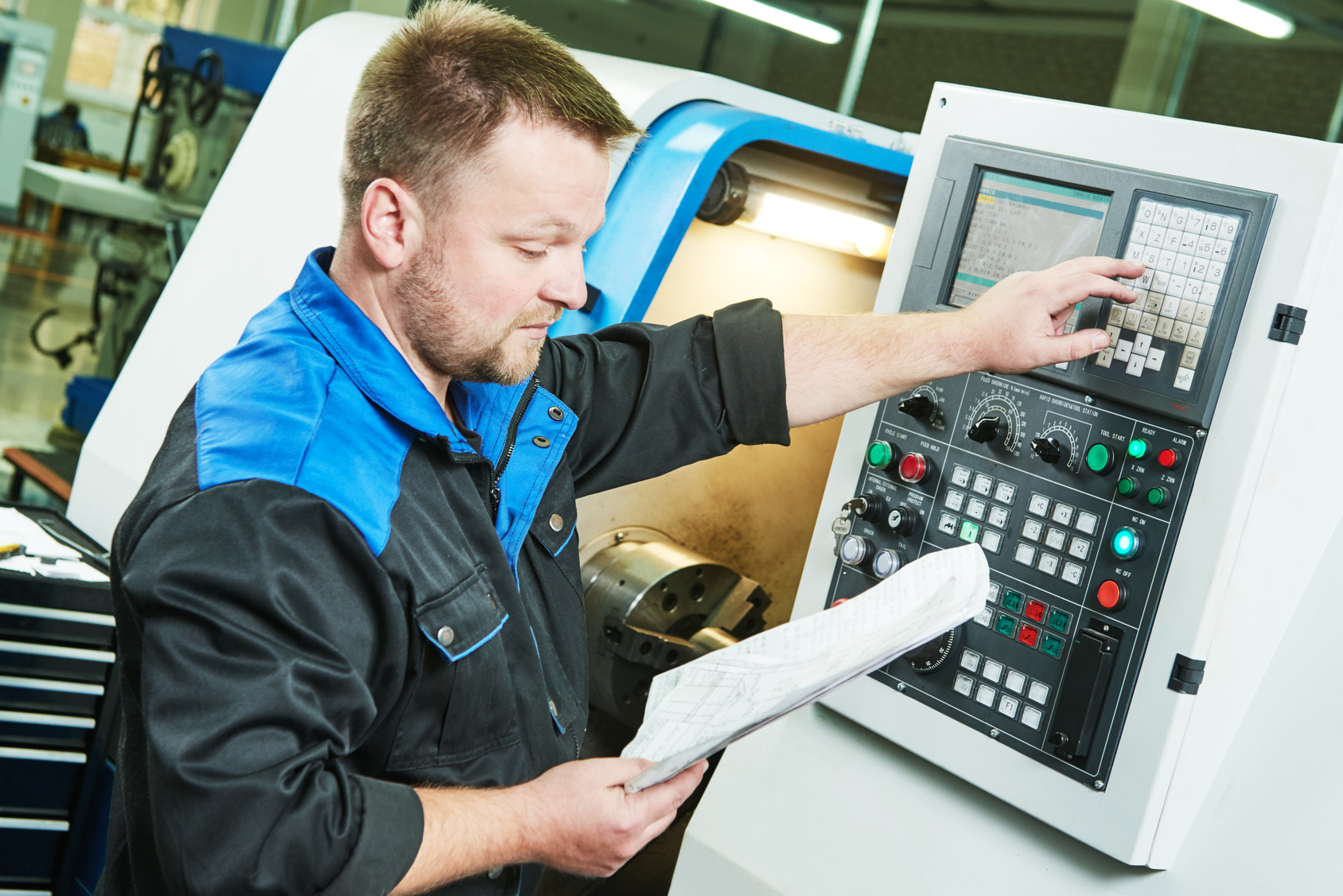
This means reading the manual (yes, I know, groan), watching training videos (okay, maybe this is more fun), and generally getting cozy with all the buttons, dials, and levers. What does each one do? What are the machine's limits? What kind of materials does it work with? Knowing this stuff is like having superpowers – you'll be able to troubleshoot problems, optimize performance, and avoid catastrophic meltdowns (which, trust me, nobody wants).
Setting Up for Success: Prep Like a Pro!
Alright, so you’ve studied your machine’s user manual until you can practically recite it in your sleep. Now comes the fun part: the setup! Think of this as preparing your culinary masterpiece mise en place… but for manufacturing.
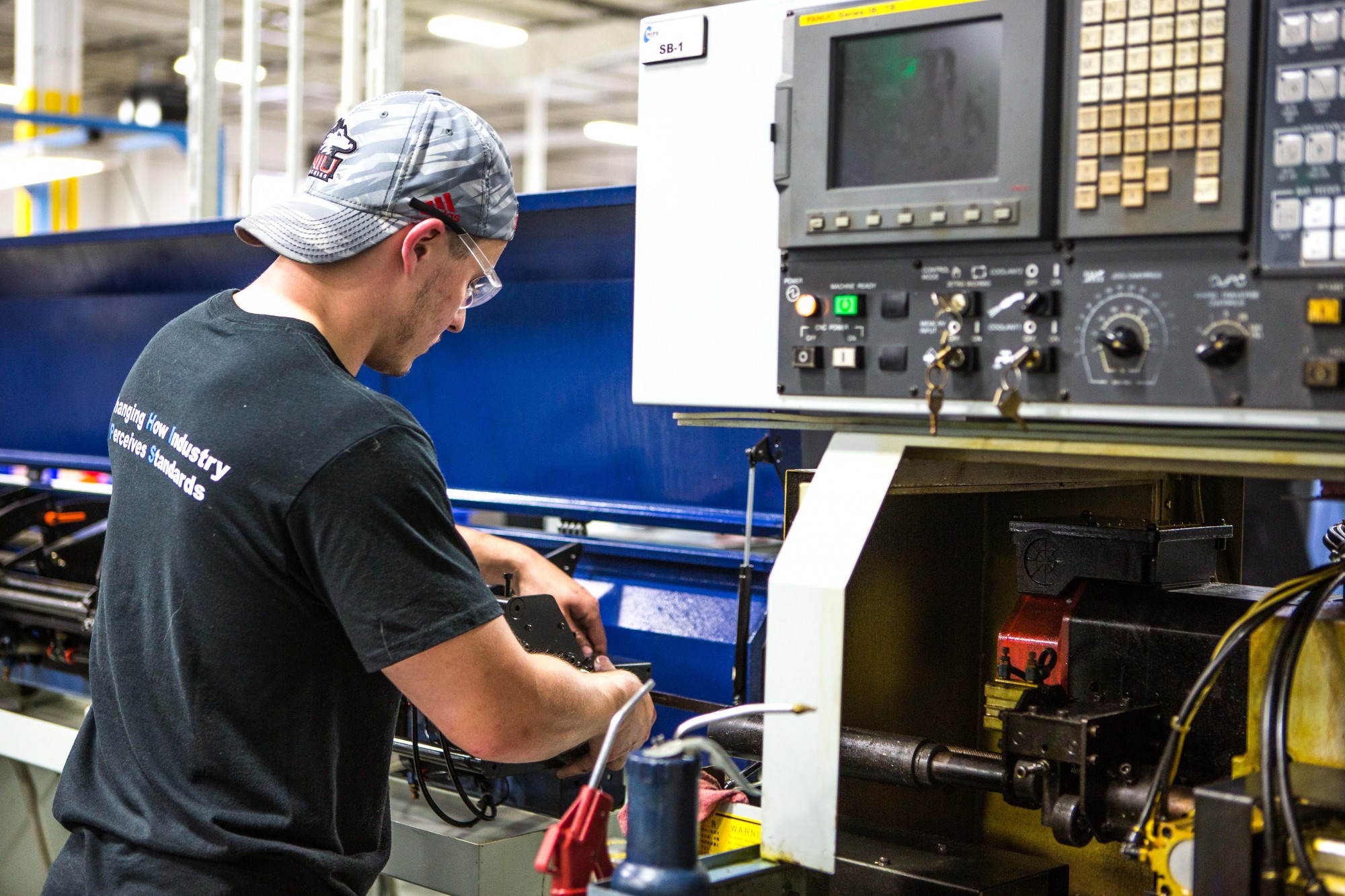
Gather your materials! Make sure you have everything you need to get the machine humming along smoothly. Raw materials, tools, safety gear...the whole shebang. Double-check quantities and quality! You don't want to run out of something halfway through a production run or discover you have a batch of wonky widgets. Trust me, it's happened to the best of us.
Load the materials correctly! Improper loading can cause jams, misalignments, and other general mayhem. Think of it like trying to stuff too much laundry into your washing machine – things just aren’t going to end well. Follow the instructions carefully, and don't be afraid to ask for help if you're unsure.
Operation: Showtime!
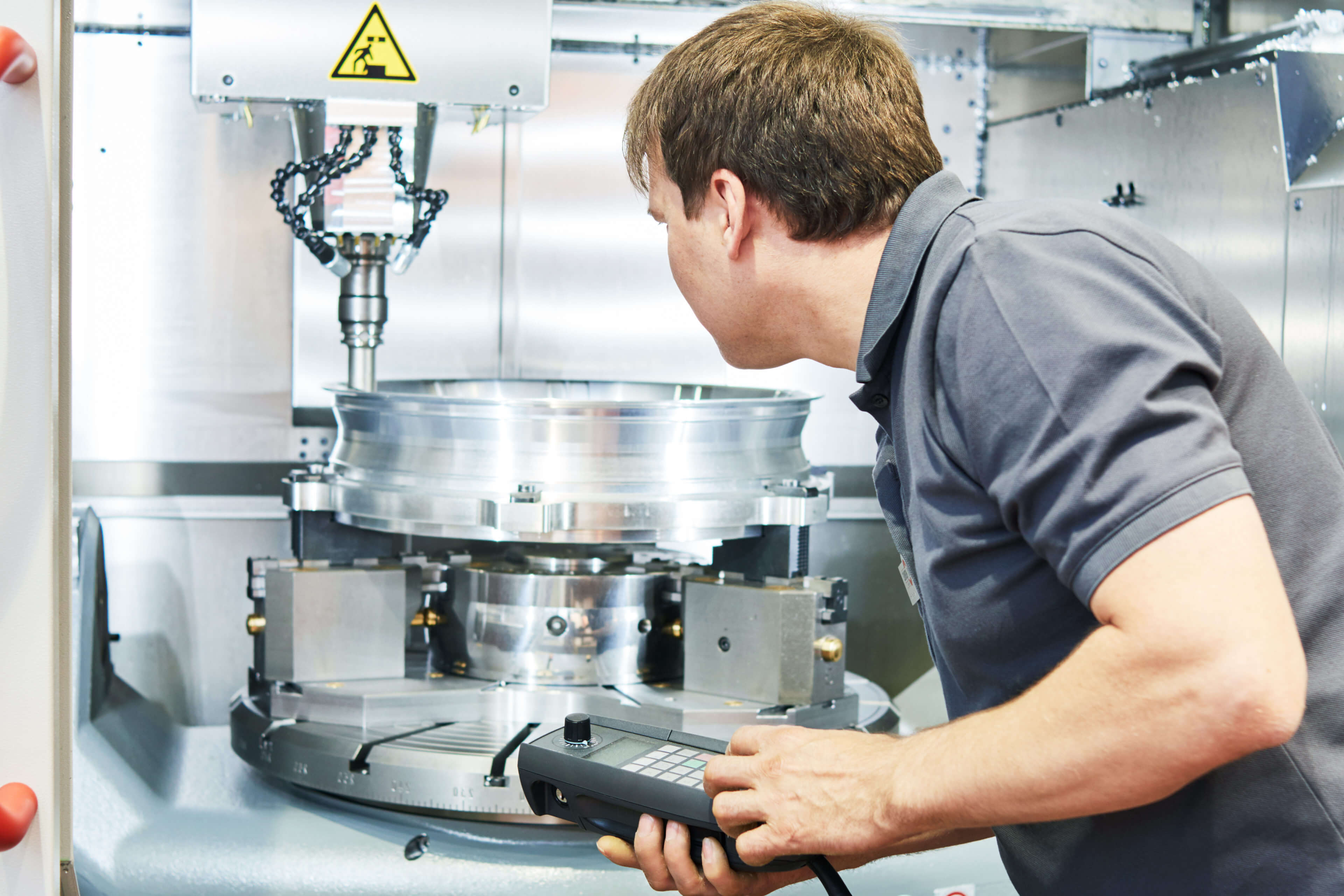
Okay, the stage is set, the materials are loaded, and you're feeling like a manufacturing maestro. Now it's time to actually run the machine! This usually involves a series of steps – starting the machine, monitoring its performance, making adjustments as needed, and (of course!) celebrating each successfully produced item.
Keep a close eye on the machine. Listen for unusual noises, watch for any warning lights, and generally be aware of its overall performance. It's like being a helicopter parent, but for a giant piece of machinery. If something seems off, stop the machine immediately! It's always better to be safe than sorry (and potentially face a hefty repair bill).
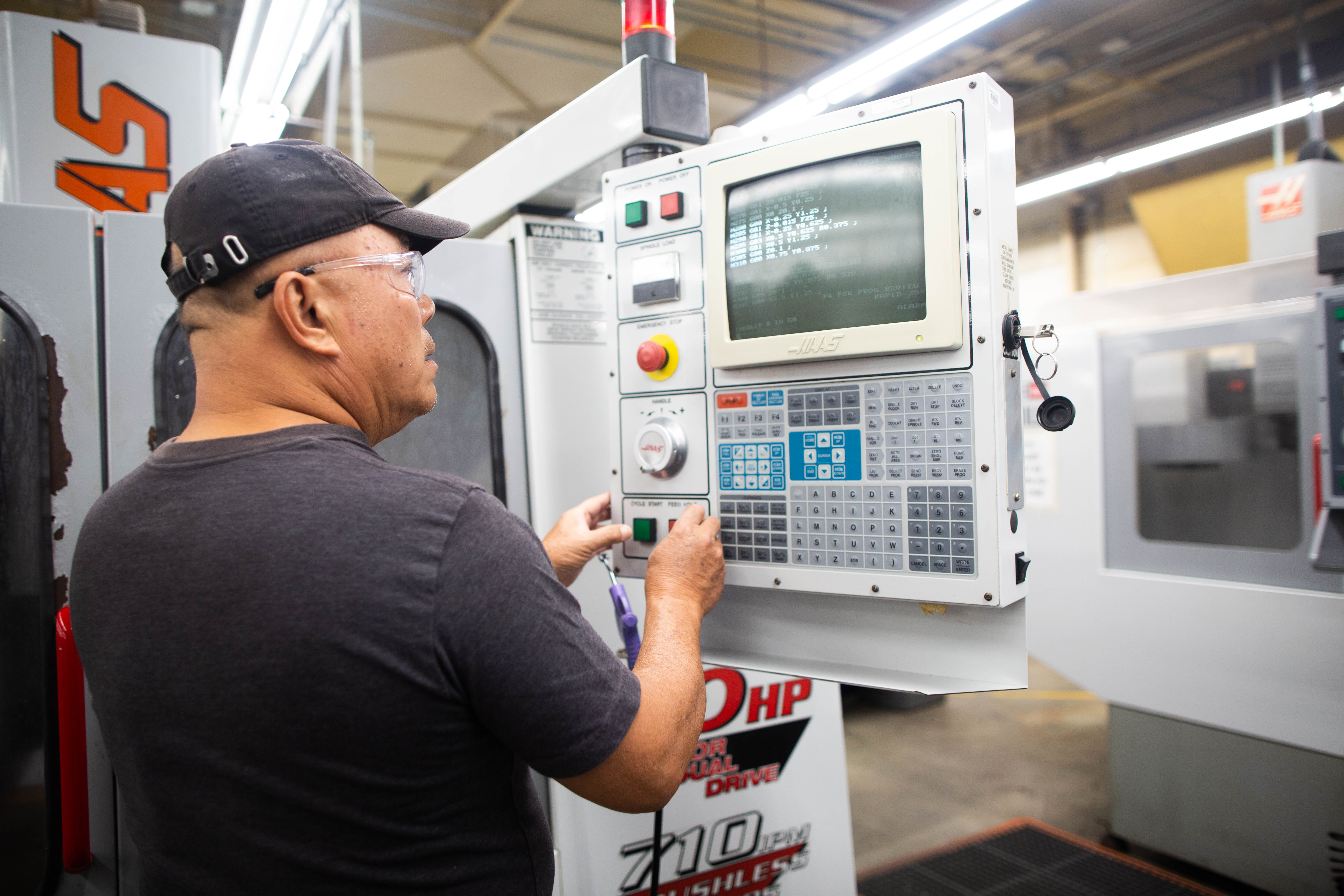
Make adjustments as needed. Sometimes, things need a little tweaking. Maybe the speed is too fast, the pressure is too high, or the temperature is too low. Use your newfound knowledge of the machine to make small adjustments until everything is running smoothly.
Safety First, Always!
Seriously, I can't stress this enough. Working with machinery can be dangerous if you're not careful. Always wear appropriate safety gear, such as eye protection, gloves, and earplugs. Follow all safety procedures, and never, ever bypass safety features. Your fingers (and your hearing) will thank you for it.
Be aware of your surroundings! Keep your work area clean and organized, and never leave tools or materials lying around where someone could trip over them. Think of it as tidying up after yourself – except the stakes are a little higher when you're dealing with heavy machinery.
The Sweet Reward: Bringing it All Together!
And there you have it! You've successfully set up and operated a machine to make a product. Now, that might sound like a simple explanation, but trust me, it's a pretty awesome achievement! You’ve taken raw materials and transformed them into something tangible and useful. You've contributed to the creation of something that will hopefully make someone's life a little bit easier, or a little bit more enjoyable. Pretty cool, right?
So, go forth and conquer! Embrace the challenge, learn from your mistakes, and never stop exploring the exciting world of manufacturing. Who knows, you might just be the one to invent the next big thing!