Security Access Systems For Business

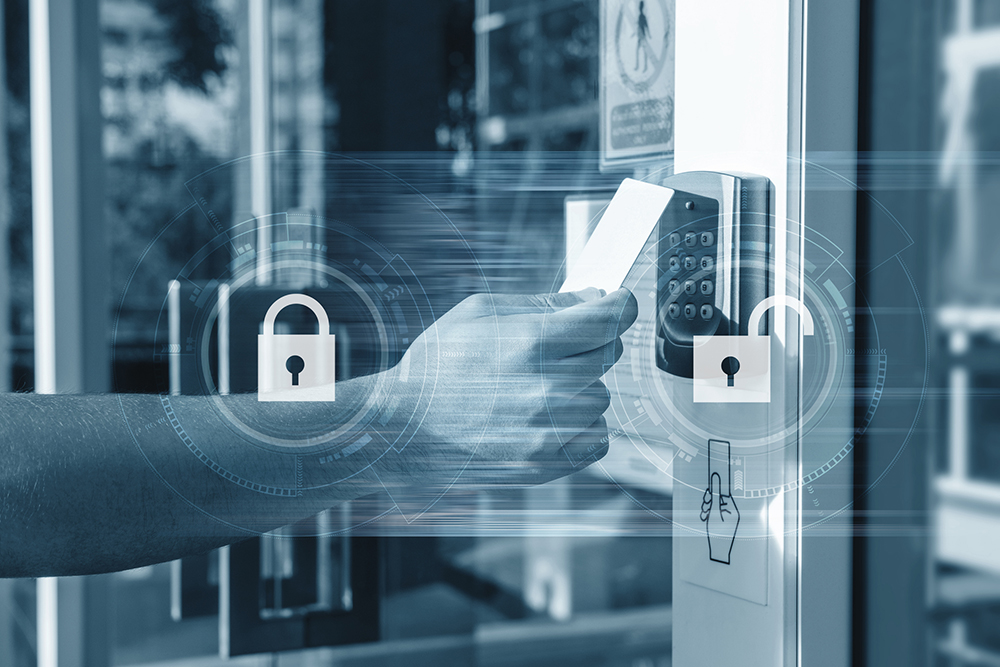
Ever found yourself effortlessly swiping a card to enter an office building, or maybe tapping your phone to get into the gym? It's one of those everyday actions we often do without a second thought, but behind that simple gesture lies a fascinating world of technology: Security Access Systems for Business. Far from being just a dry, technical topic, understanding these systems can actually be quite fun and incredibly relevant. They're the silent guardians of our workplaces, schools, and even our data, shaping how we interact with physical spaces in ways we might not fully appreciate. So, let's pull back the curtain and peek into how businesses keep their doors safe and sound, making our lives both more secure and surprisingly convenient.
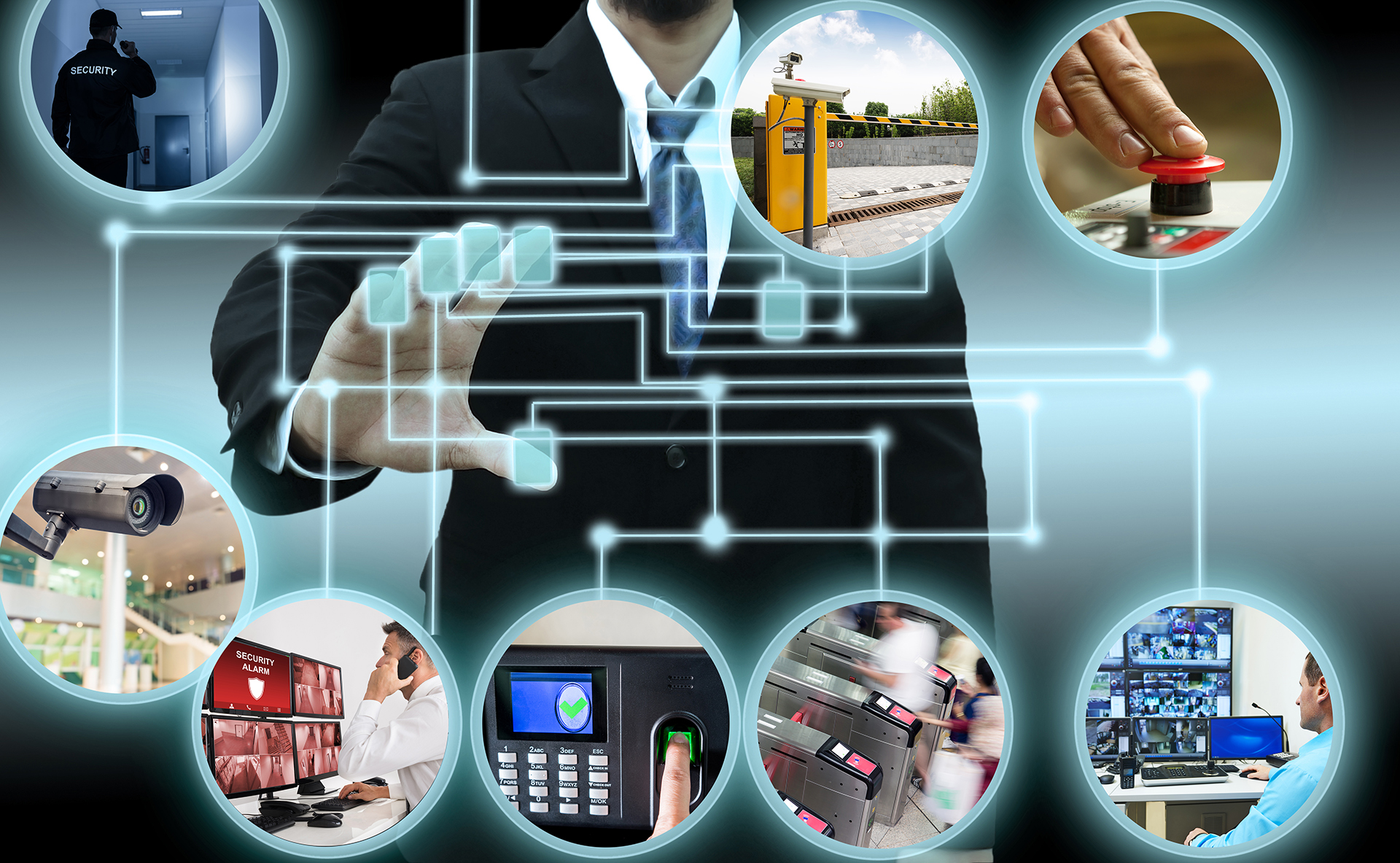
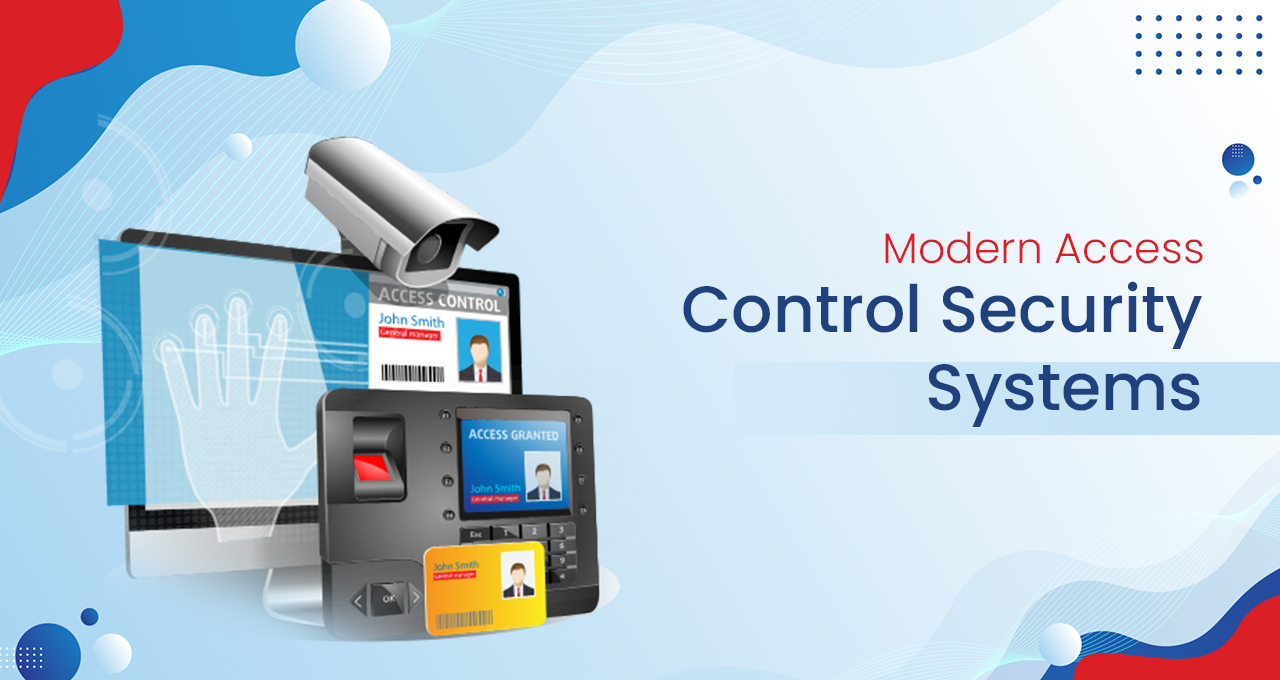
At its core, the purpose of a security access system is elegant in its simplicity: to control who goes where, and when. Imagine a business with sensitive data, expensive equipment, or even just a desire to protect its employees. Traditional keys are clunky; they can be lost, copied, or simply aren't agile enough for a modern workforce. Access systems solve this by using digital credentials – like keycards, fobs, or even biometric scans – to grant or deny entry. The benefits are immense: enhanced security prevents theft and unauthorized entry, while boosting safety for everyone inside. It also provides invaluable accountability, creating a digital log of who entered specific areas and at what time. Plus, for businesses, it means flexibility. A manager can grant temporary access to a contractor, revoke access for a departing employee instantly, or even set schedules so certain doors are only accessible during business hours. It's security that adapts to a dynamic environment, saving time and often significant costs in the long run.
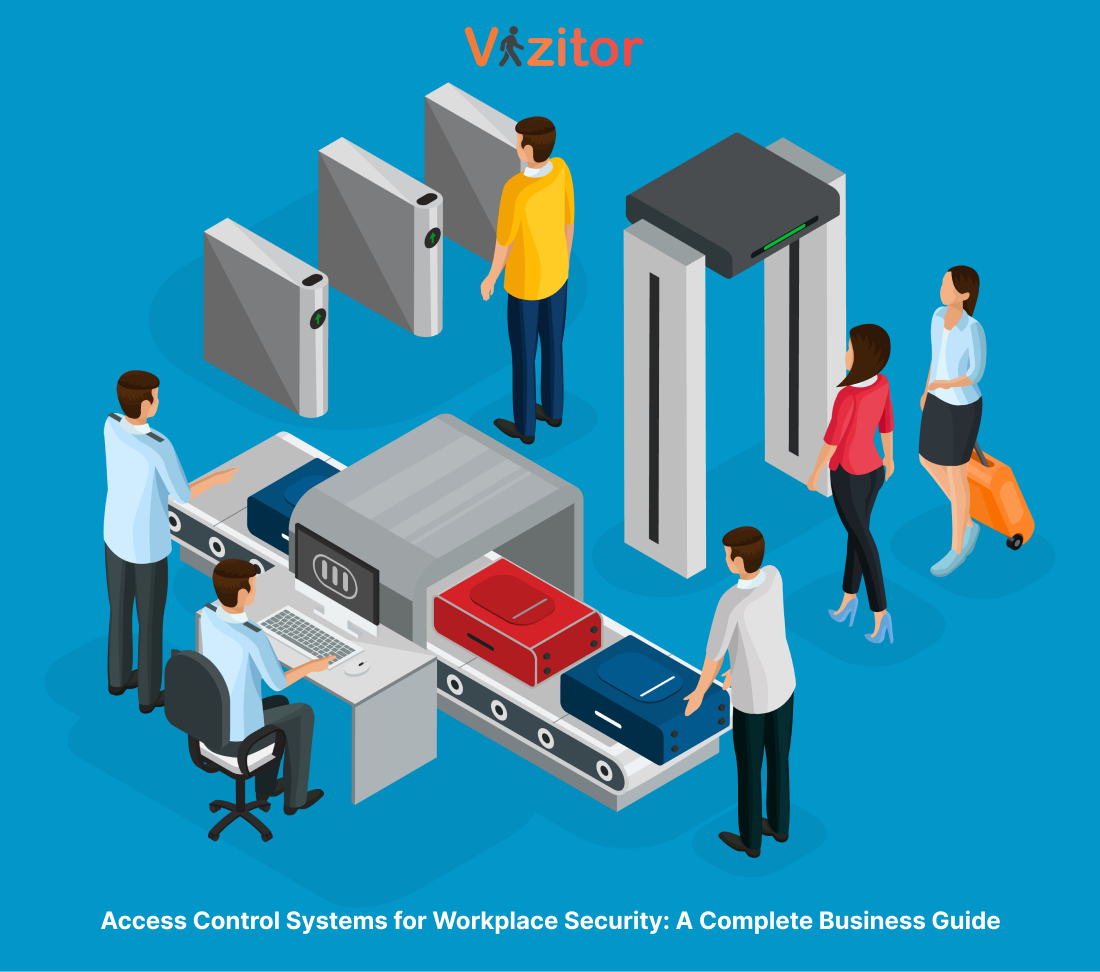
These systems aren't just for high-tech fortresses, either; you encounter them more often than you think. In education, for example, university students might use their ID cards to access dormitories after hours, enter specialized labs, or check out books from the library. This ensures only authorized individuals are in certain areas, protecting both students and valuable resources. Many offices use keycard systems for their main entrances and internal departments, ensuring that only marketing staff can access the marketing office, and only finance personnel can get into the server room. Even less obvious applications include secure parking garages, health clinics protecting patient records, or manufacturing plants controlling access to dangerous machinery. Each instance highlights how these systems are tailored to specific needs, providing peace of mind and operational efficiency across a vast range of sectors.
Must Read
Feeling a bit more curious about these silent gatekeepers? Here are a few simple ways you can explore them further. Next time you use a keycard or see someone else do it, take a moment to observe: what kind of reader is it? Does it make a sound? Is there a camera nearby? You could also do a quick online search for terms like "key card access systems", "biometric access control", or "mobile access solutions" to see the incredible variety of technologies out there. Think about your own daily life: where do you encounter simple forms of access control? Perhaps your smart home lock, your gym membership card, or even the secure login for your computer or phone. These smaller, personal examples are miniature versions of the sophisticated systems protecting businesses. Understanding them is not just about appreciating technology; it's about recognizing the clever ways we keep our world safe, one secure swipe at a time.