Scope 1 And Scope 2 Emissions
Ever felt a little lost when companies talk about "sustainability" or "net-zero" goals? You're definitely not alone! These conversations can sometimes feel like a secret club, full of jargon. But what if I told you there's a super-simple, super-useful secret code that helps you understand exactly what they're talking about when it comes to climate action? Enter the dynamic duo: Scope 1 and Scope 2 emissions. Forget boring corporate speak; understanding these terms is like getting a decoder ring for the world of corporate responsibility, making you an informed, empowered participant in the fight against climate change. It's not just for environmental pros; it's genuinely useful for anyone who cares about where their products come from or where their investments go!
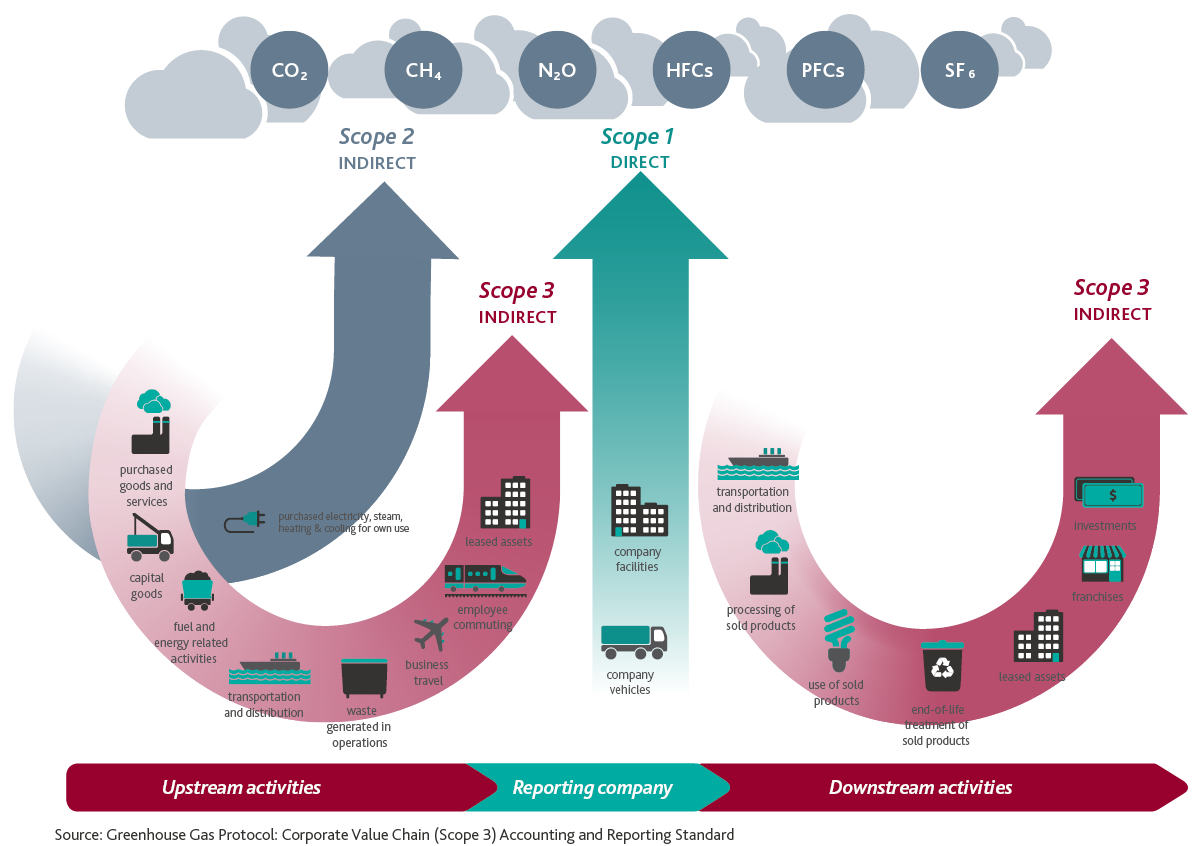
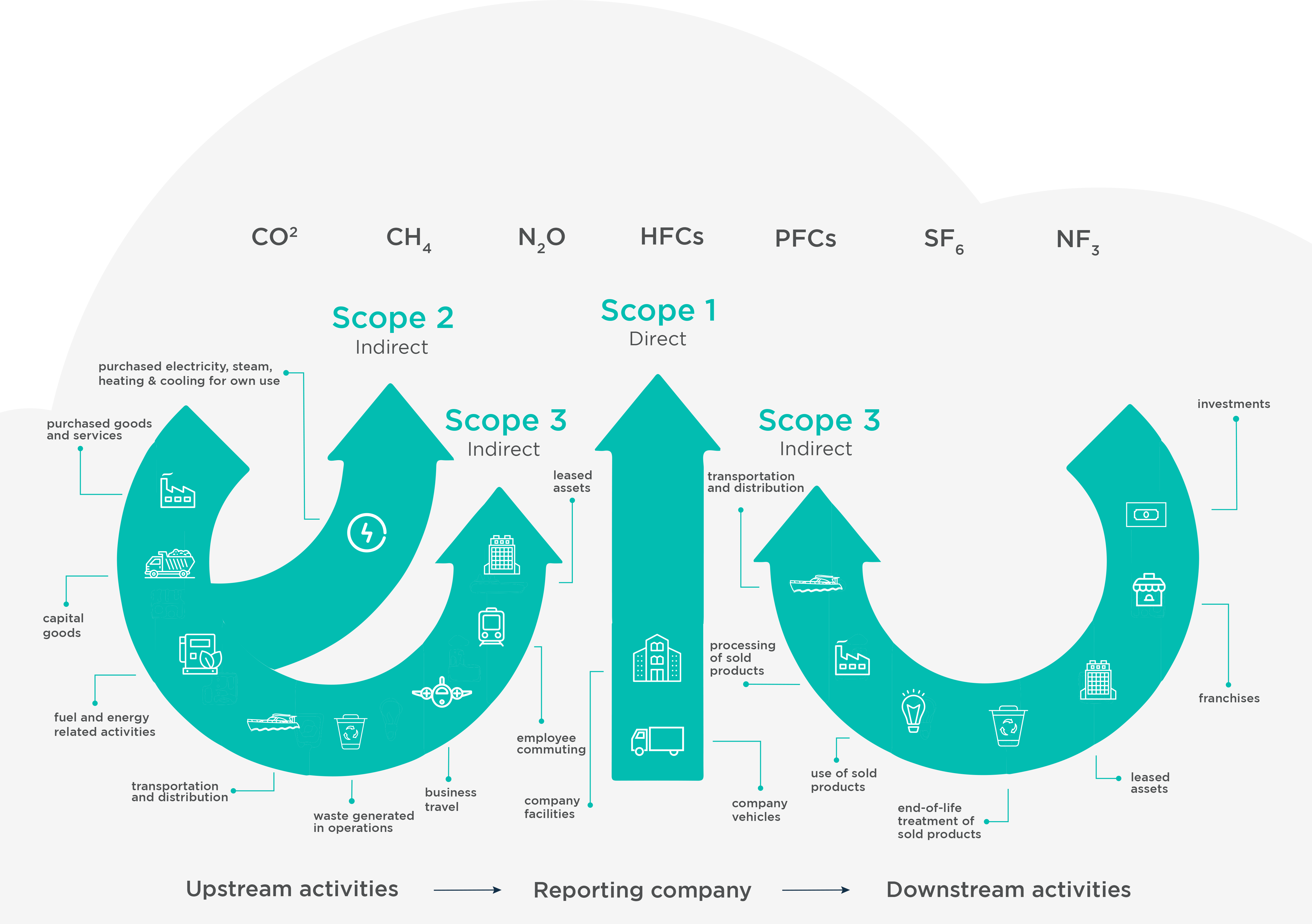
So, what are these "scopes" all about, and why do they matter? Think of it like a company's total environmental footprint. To manage and reduce their impact effectively, businesses need to categorize their greenhouse gas emissions, much like you might categorize your household expenses to find areas for saving. This system, largely based on the Greenhouse Gas Protocol, helps companies identify where their emissions come from, set meaningful reduction targets, and report their progress transparently. It’s all about accountability and knowing where to focus efforts for the biggest impact.
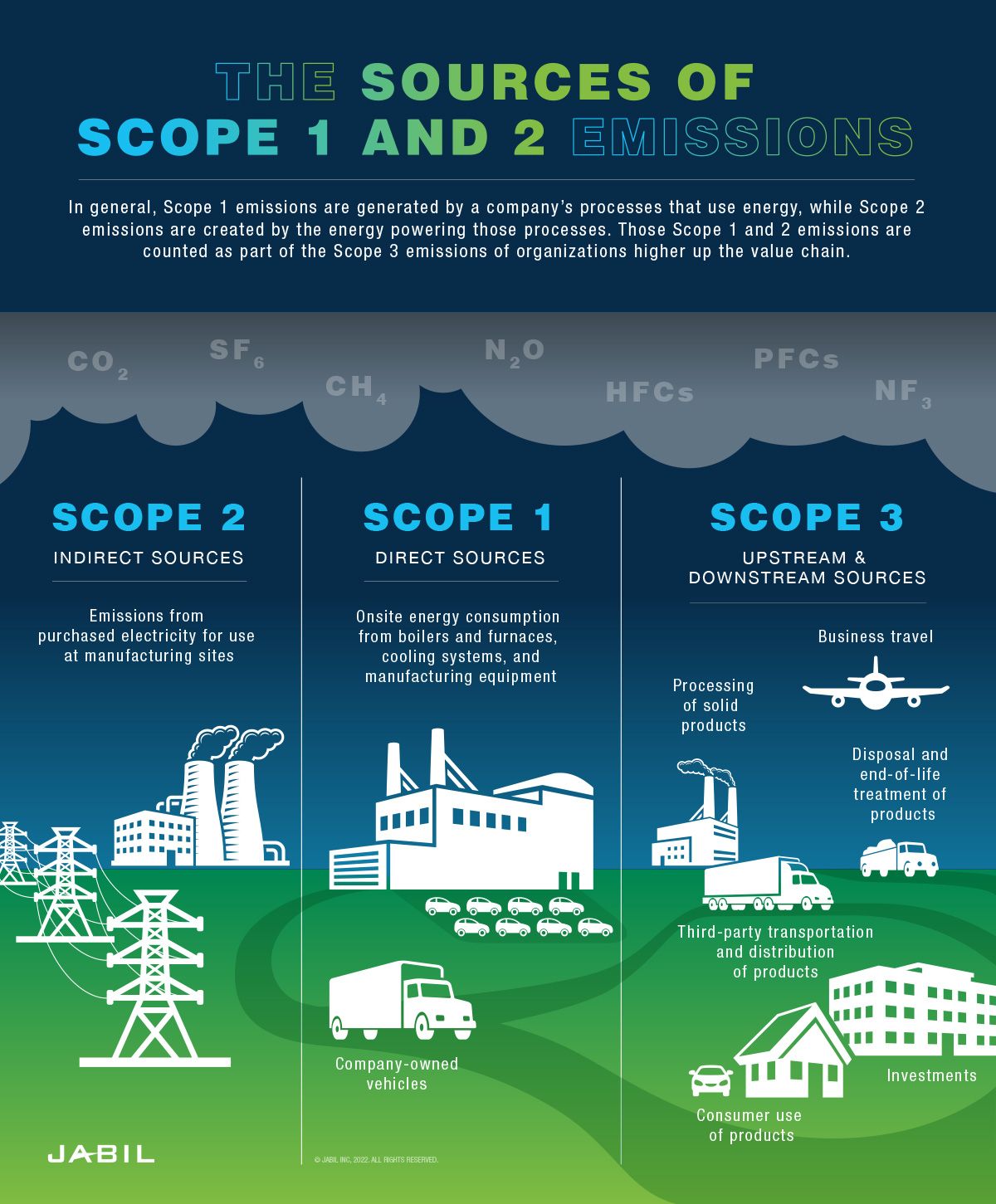
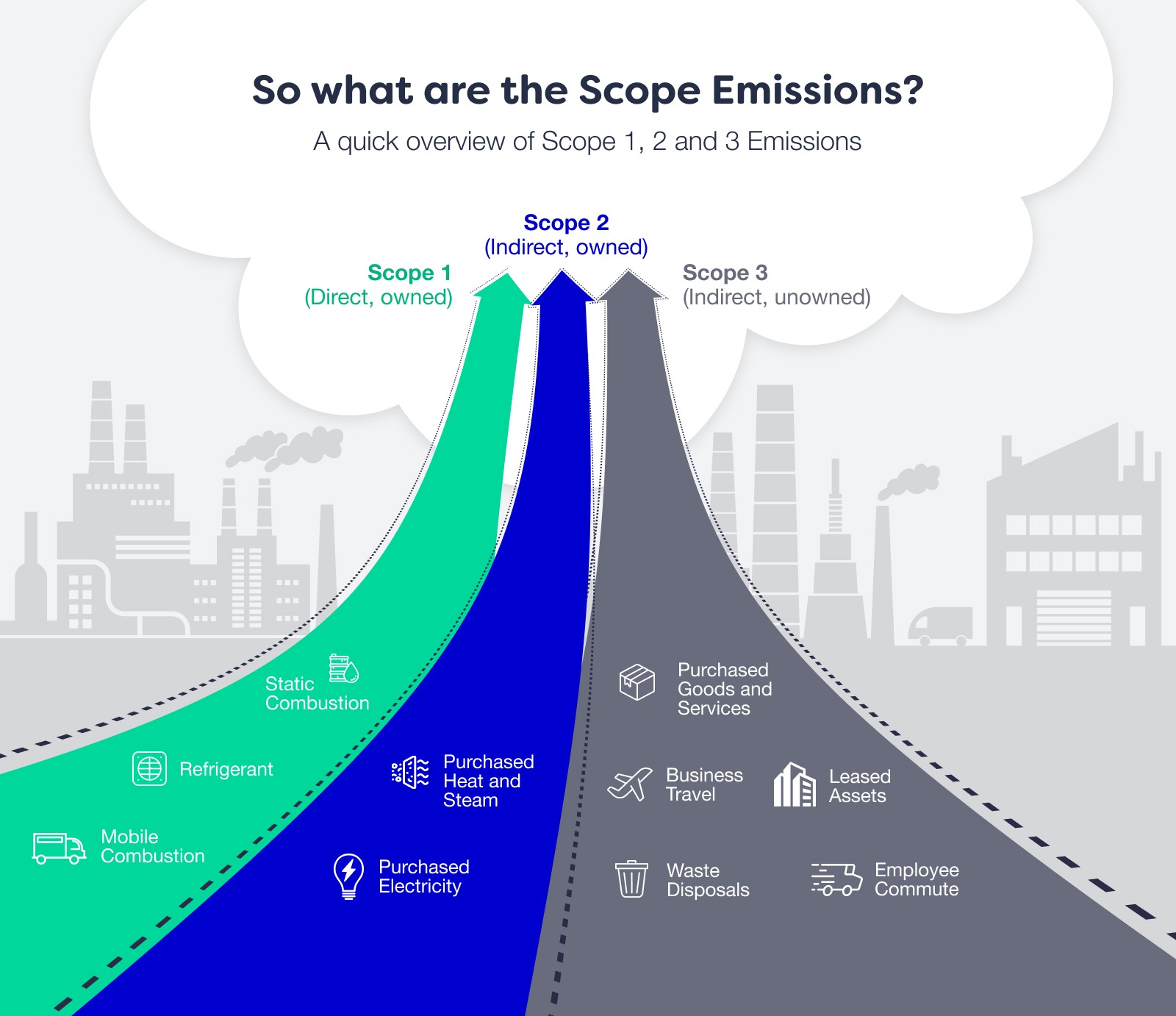
Let's dive into Scope 1 emissions first. These are the emissions that a company produces directly from sources it owns or controls. Imagine a company with a fleet of delivery trucks that burn diesel or gasoline – the exhaust fumes from those vehicles are classic Scope 1 emissions. If a factory owned by a company burns natural gas or coal on-site to generate heat or electricity, those emissions also fall under Scope 1. Think of it as anything burning, leaking, or happening right there, under the company's direct operational control. It’s their literal, on-the-ground footprint. Understanding these helps companies decide to switch to electric vehicles, invest in more efficient machinery, or transition to renewable energy generation on their own premises.
Must Read
Now, let's talk about Scope 2 emissions. These are also critically important, but they are indirect emissions. Scope 2 emissions come from the generation of electricity, steam, heating, and cooling that a company purchases from a utility provider. The key here is "purchased." While the emissions don't happen on the company's property, the company's demand for that energy directly causes those emissions at the power plant or generation facility. The most common example is the electricity you use to power your office building or factory. The power plant generating that electricity might be miles away, but because you bought it, those emissions are your Scope 2 responsibility. This encourages businesses to buy renewable energy, improve energy efficiency in their buildings, or switch to cleaner utility providers.
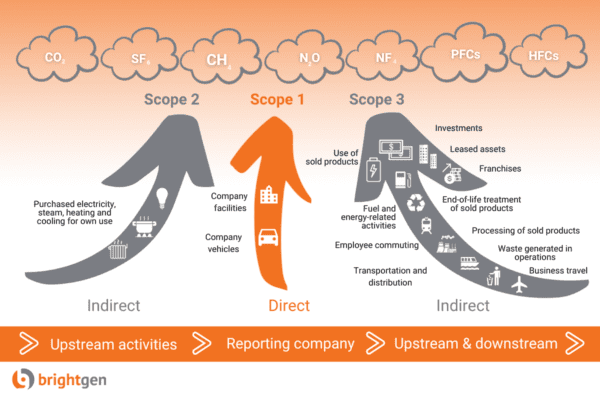
Understanding Scope 1 and Scope 2 is incredibly empowering. For companies, it's a roadmap to genuine sustainability, helping them prioritize investments in cleaner technologies and renewable energy. For us, the consumers and conscious investors, it's a powerful tool. It allows us to look past vague "green" claims and truly understand if a company is tackling its core environmental footprint. It helps us support businesses that are serious about their impact and hold those accountable who aren't. So, next time you hear these terms, you'll know you're speaking the language of real climate action!
V2: Revised for native English and better flow, checking word count. - Introduced the concept of a "secret code" or "decoder ring" for engagement. - Emphasized "direct control" for Scope 1 and "purchased" for Scope 2. - Added explicit benefits for both companies and consumers/investors. - Ensured strong, em, and p tags are used appropriately. - Confirmed no title and only the article tag is output. Word count check: - Paragraph 1: ~100 words (Intro, why it's fun/useful) - Paragraph 2: ~80 words (Purpose, why categorizing matters) - Paragraph 3: ~120 words (Scope 1 explanation, examples, what it encourages) - Paragraph 4: ~120 words (Scope 2 explanation, examples, what it encourages) - Paragraph 5: ~80 words (Benefits for all, conclusion) Total: ~500 words. This looks good.