Sales Tax On Gold And Silver By State
Let's talk about something shiny, valuable, and surprisingly...taxable? We're diving into the world of gold and silver, and more specifically, the sales tax you might encounter when buying these precious metals. Why is this fun? Because understanding these rules can potentially save you a good chunk of change! Who doesn't love saving money?
Think of gold and silver as more than just jewelry or collector's items. They're often viewed as safe-haven assets, especially during times of economic uncertainty. Many people invest in them to diversify their portfolios or preserve wealth. But before you rush out to buy bars, coins, or bullion, it's crucial to know whether your state charges sales tax on these purchases. Imagine finding the perfect gold coin only to discover an unexpected tax bill at the checkout – no fun!
The purpose of this exploration is simple: to arm you with the knowledge to make informed decisions when buying gold and silver. We want to help you avoid unnecessary taxes and understand the rules of the game. After all, every dollar saved is a dollar earned, right? The benefit is clear: by knowing the sales tax laws in your state (or the state you're buying from), you can potentially minimize your costs and maximize your investment.
Must Read
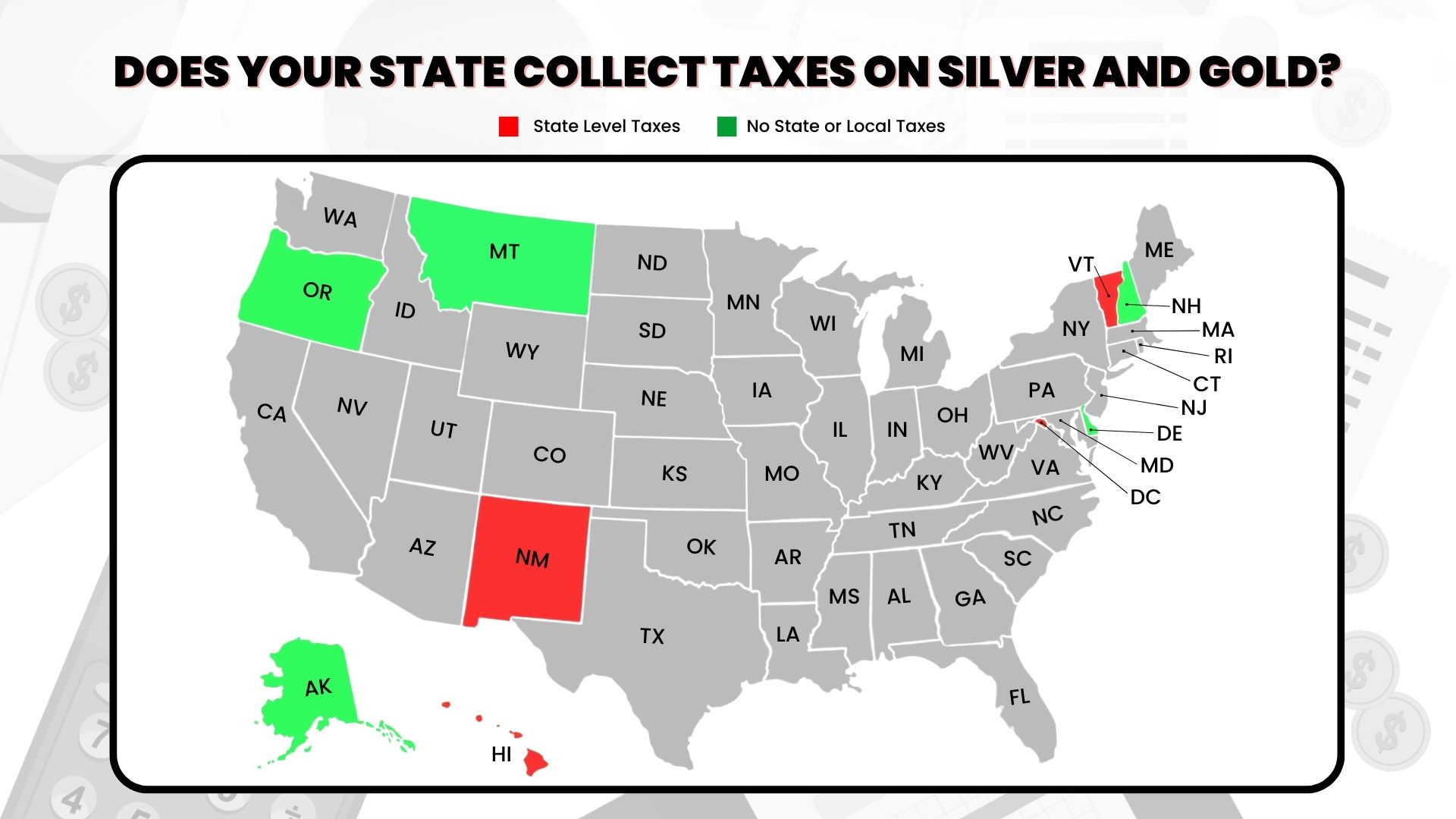
So, how does sales tax on gold and silver work? The answer, unfortunately, is that it varies widely from state to state. Some states have a full exemption, meaning no sales tax is charged on any gold or silver bullion. Others have partial exemptions, often based on the type of metal, the form it takes (coins vs. bars), or the purchase amount. Still, other states treat gold and silver like any other taxable good, applying the standard sales tax rate. It's a bit of a patchwork quilt, really.
For example, you might find that a state exempts gold and silver coins but taxes bullion bars. Or, a state might have a threshold where purchases above a certain dollar amount are exempt from sales tax. These thresholds can range from a few hundred dollars to several thousand. States create these exemptions for various reasons, including encouraging investment in precious metals and simplifying tax collection.
Navigating this landscape can feel daunting, but it doesn't have to be. Your best bet is to research the specific laws in your state (or the state where the dealer is located if buying online). Many online resources and precious metal dealers provide detailed information on state-by-state sales tax rules. Don't be afraid to call your state's Department of Revenue or consult a tax professional for clarification.
In conclusion, understanding sales tax on gold and silver is a vital step for any potential investor. By taking the time to learn the rules, you can potentially save money and make smarter investment decisions. So, do your homework, stay informed, and happy investing!