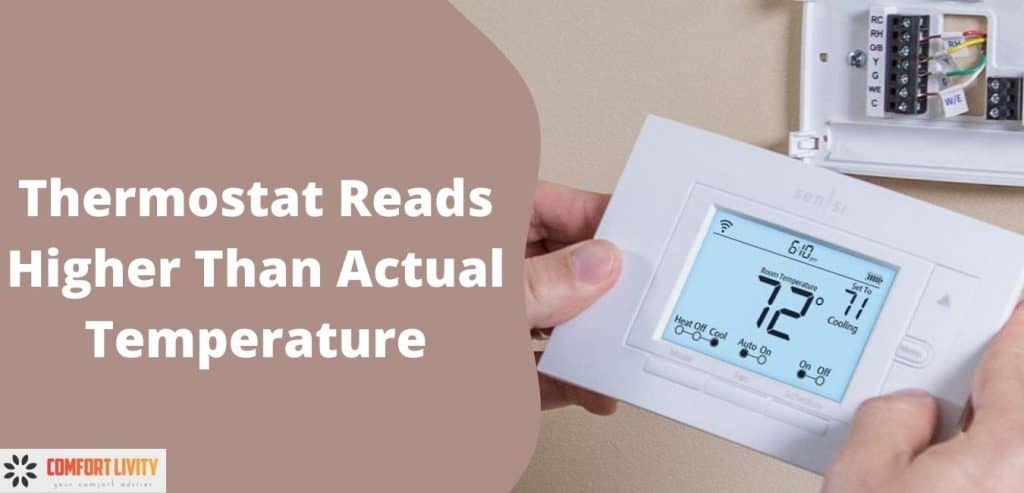
Room Temperature Higher Than Thermostat Setting

Ever walked into your home, glanced at the thermostat, and thought, "Wait a minute… that's not right"? You're not alone! The quirky case of a room temperature reading higher than your thermostat setting is surprisingly common, and figuring out why can be oddly satisfying. It's like a mini-mystery to solve, and the reward is a more comfortable and energy-efficient home. Who wouldn't want that?
Understanding this phenomenon is beneficial for everyone. For beginners, it's a first step into understanding how your HVAC system actually works. It demystifies the little box on the wall and helps you appreciate the complexities of heating and cooling. For families, knowing the causes can lead to a more comfortable living environment, especially for sensitive family members like babies or the elderly, and potentially lower energy bills. Hobbyists, those who enjoy tinkering with home automation or energy efficiency, will find this a fascinating puzzle to solve, potentially leading to creative solutions and optimizations.
So, what are the usual suspects? Direct sunlight streaming through windows is a big one. It can warm a room much faster than your HVAC system can cool it. Another common culprit is heat-generating appliances. Think of your oven, stovetop, or even a powerful gaming PC. These can significantly raise the temperature of their immediate surroundings. Poor insulation can also play a role. If your walls or windows aren't well-insulated, heat can easily seep in from the outside. Finally, consider air circulation. If a room isn't getting adequate airflow from your HVAC system, it can become stagnant and warmer than the thermostat setting, which is usually located in a more central and well-ventilated area.
Must Read
There are variations on this theme, too. You might notice this issue more in certain rooms, like those on the top floor of a house, which tend to get hotter in the summer. Or perhaps you have a room with a lot of electronics that consistently runs warmer than others. You might even find that certain times of the day are worse than others, like the late afternoon when the sun is beating down on the west-facing side of your home.
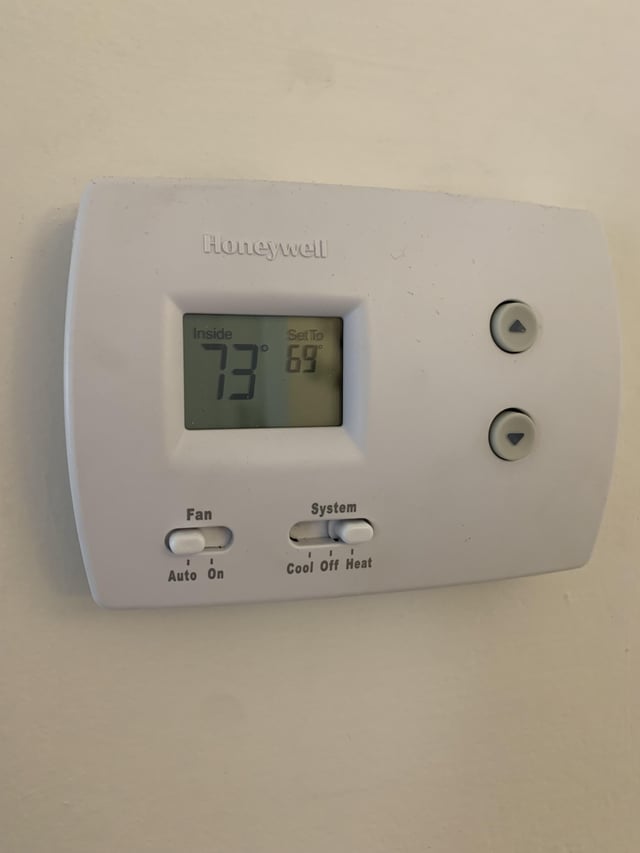
Getting started with troubleshooting is easy. Here are a few simple, practical tips:
- Check your thermostat's location: Is it in direct sunlight or near a heat source? If so, relocating it might help.
- Assess your insulation: Feel your walls and windows. Are they warm to the touch? Consider adding insulation or sealing drafts.
- Use window coverings: Close blinds or curtains during the hottest part of the day to block sunlight.
- Run fans: Ceiling fans or portable fans can help circulate air and distribute cool air more evenly.
- Limit appliance use: Try to avoid using heat-generating appliances during the hottest hours of the day.
- Consider professional help: If you've tried everything and the problem persists, it might be time to call an HVAC technician to check your system.
Ultimately, tackling the mystery of a room temperature higher than your thermostat setting is a journey of discovery. It's about understanding your home, its quirks, and how you can create a more comfortable and energy-efficient living space. And who knows, you might even uncover some hidden drafts or insulation issues along the way. Enjoy the process, and relish the feeling of taking control of your home's climate!