Robotic Process Automation In Manufacturing Industry
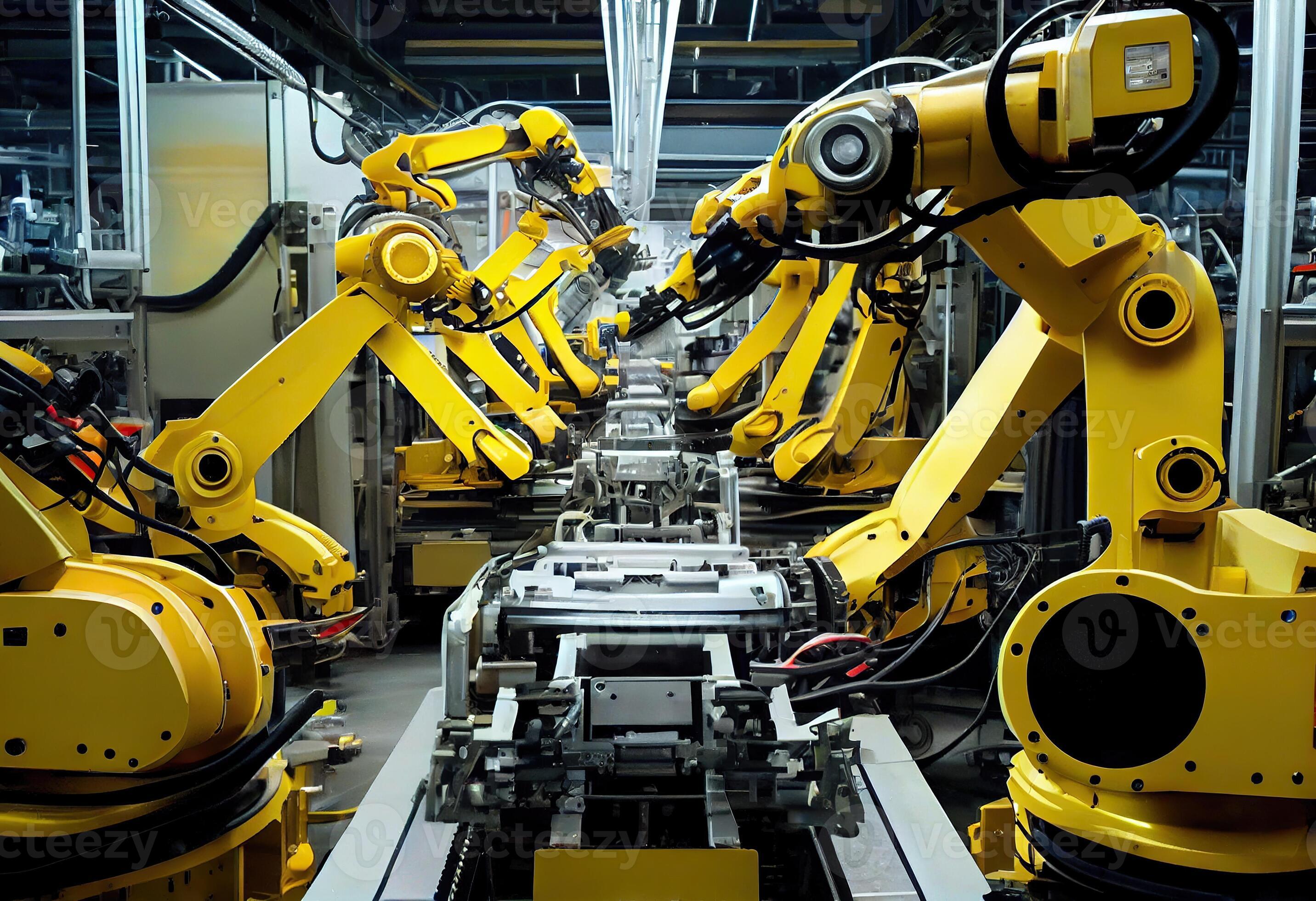
Let's face it, when you think of robots, you probably picture shiny chrome humanoids from a sci-fi movie. But what if I told you robots are already hard at work in a place you might not expect: manufacturing? And no, they're not necessarily building cars (though some are!). We're talking about Robotic Process Automation, or RPA, and it's making waves in how things are made.
Think of RPA as the behind-the-scenes magic of the manufacturing world. It's not about replacing humans entirely (though it does free them up for more interesting tasks!). Instead, it's about using software "robots" – essentially, super-smart computer programs – to automate repetitive, rule-based tasks that humans traditionally perform. It's like having a tireless, incredibly accurate assistant that handles all the boring stuff.
So, what exactly does RPA do in manufacturing? Imagine these scenarios: entering supplier invoices, processing purchase orders, updating inventory records, generating reports, and even managing customer data. All these tasks, while crucial, can be incredibly time-consuming and prone to human error. That's where RPA steps in. The "robots" can be programmed to mimic human actions on a computer, like clicking buttons, filling out forms, and copying and pasting data. They can do this 24/7, without getting tired or making mistakes.
Must Read
The benefits of RPA are pretty compelling. First, there's the obvious boost in efficiency. These software robots work much faster than humans at these repetitive tasks, allowing manufacturers to produce more with the same (or even fewer!) resources. Second, accuracy improves significantly. Eliminating human error leads to fewer mistakes, fewer scrapped products, and happier customers. Third, and perhaps most importantly, RPA frees up human employees to focus on more strategic and creative work. Instead of spending hours on data entry, they can analyze data, improve processes, and innovate new products. Think of it – more brainstorming, less bookkeeping!
Beyond these core benefits, RPA can also improve compliance and auditability. Every action taken by the software robots is logged, providing a clear audit trail. This is especially important in industries with strict regulations. Plus, RPA can help manufacturers become more agile and responsive to changing market demands. By automating processes, they can quickly adapt to new requirements and scale their operations up or down as needed.
In conclusion, RPA isn't just some futuristic technology; it's a practical and powerful tool that's already transforming the manufacturing industry. By automating repetitive tasks, it's boosting efficiency, improving accuracy, and freeing up human employees to focus on more creative and strategic work. It's making manufacturing smarter, faster, and more competitive. So, the next time you see a product labeled "Made in [Country]," remember there's a good chance RPA played a part in bringing it to you. Who knew robots could be so helpful?