
Resting Membrane Potential Of Skeletal Muscle

Okay, so let's chat about skeletal muscle! Bet you didn't think muscles could be this interesting, huh?
We're diving deep, but don't worry, no scuba gear required. We’re talking about something called the resting membrane potential. Sounds intimidating, right? Nah! It's actually pretty cool.
What's the Big Deal?
Think of your muscle cell like a tiny battery. It’s got a voltage, even when it’s chilling out! This is the resting membrane potential. It's like the muscle cell's default setting.
Must Read
Imagine a bouncer outside a club. He's just standing there, doing nothing, but he’s ready to spring into action at any moment. That’s kind of like the resting membrane potential. The muscle is ready to contract, but it's waiting for the signal.
This potential is all about charged particles, or ions, hanging out inside and outside the cell. There are two main players: sodium (Na+) and potassium (K+).
The Potassium Party Inside
Potassium is the VIP guest inside the muscle cell. There’s way more of it inside than outside. Imagine a potassium-only rave happening inside the cell! It’s wild.
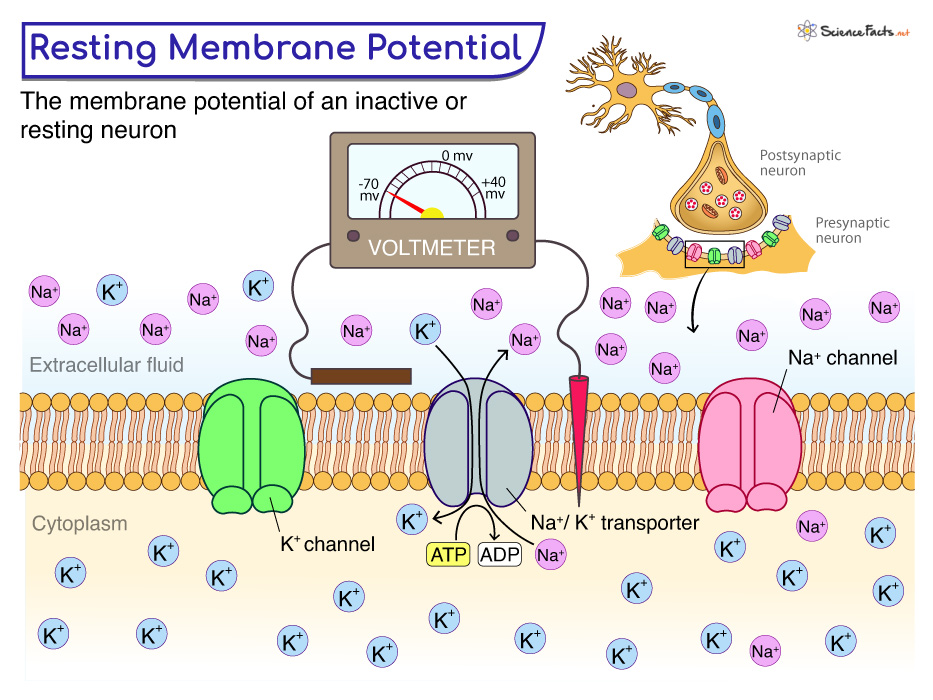
Potassium loves to leak out of the cell through special channels. It's like they can't resist leaving the party. As positively charged potassium ions exit, they leave behind a negative charge inside the cell.
Sodium's Exclusive Outside Bash
Sodium is the cool kid hanging outside the club. There's a much higher concentration of sodium outside the cell compared to inside. It’s a sodium-only party, and it’s super exclusive.
Sodium wants to get inside the cell because it’s all about that negative charge that the potassium left behind. Opposites attract, right? It's like a moth to a flame, or a sodium ion to a negatively charged cell interior!
The Voltage Vibe
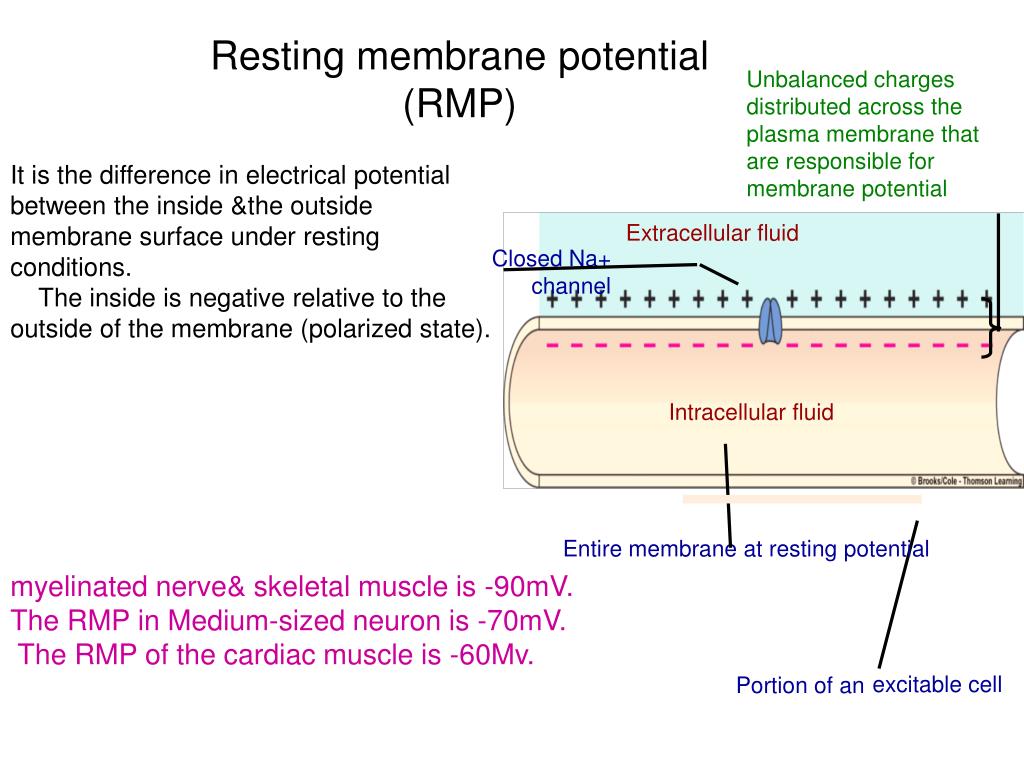
So, with potassium leaking out and sodium wanting in, there's a constant tug-of-war. This creates an electrical difference across the muscle cell membrane. This difference is the resting membrane potential.
This potential is usually around -70 to -90 millivolts (mV). Don’t worry about the units! Just know it's negative, meaning the inside of the cell is more negative than the outside. That's like a reverse battery!
The Sodium-Potassium Pump: The Bouncer of Ions
Now, here's the superhero: the sodium-potassium pump. This protein is like the ultimate bouncer, constantly working to maintain the ion balance.
This pump actively kicks out three sodium ions for every two potassium ions it brings in. It's like a constant shuffling of the guest list to keep things in order. It requires energy to perform this action, because it's moving ions against their concentration gradients!

The pump makes sure the sodium stays mainly outside and the potassium stays mainly inside. Without it, the whole system would break down. It’s basically the unsung hero of muscle cell function.
Why Bother? (The Action Potential!)
So, why is all of this resting potential business so important? Well, it sets the stage for the action! Without a resting membrane potential, muscles couldn't contract.
When a nerve tells a muscle to contract, a signal called an action potential is triggered. This signal rapidly changes the membrane potential, allowing sodium to flood into the cell.

This sodium influx depolarizes the cell, meaning the inside becomes less negative. Think of it as a mini-explosion of electrical activity!
This depolarization triggers a whole cascade of events that ultimately leads to muscle contraction. So, the resting membrane potential is essential for creating the conditions for this explosion to occur.
Fun Facts to Impress Your Friends
- The resting membrane potential isn't just in muscle cells. All cells have one! It’s a fundamental property of life.
- Some toxins can mess with the resting membrane potential. This can lead to paralysis or even death. Yikes!
- Scientists use tiny electrodes to measure the resting membrane potential of cells. It's like spying on their electrical activity.
Wrapping Up
So, there you have it! The resting membrane potential of skeletal muscle. It's a bit like a charged battery waiting to unleash its energy. It involves a delicate balance of ions, a hard-working pump, and a whole lot of electrical potential.
Pretty cool, right? Now you can impress all your friends with your newfound knowledge of muscle cell electrochemistry. Go forth and spread the knowledge!