
Renewable Energy And Nonrenewable Energy Examples
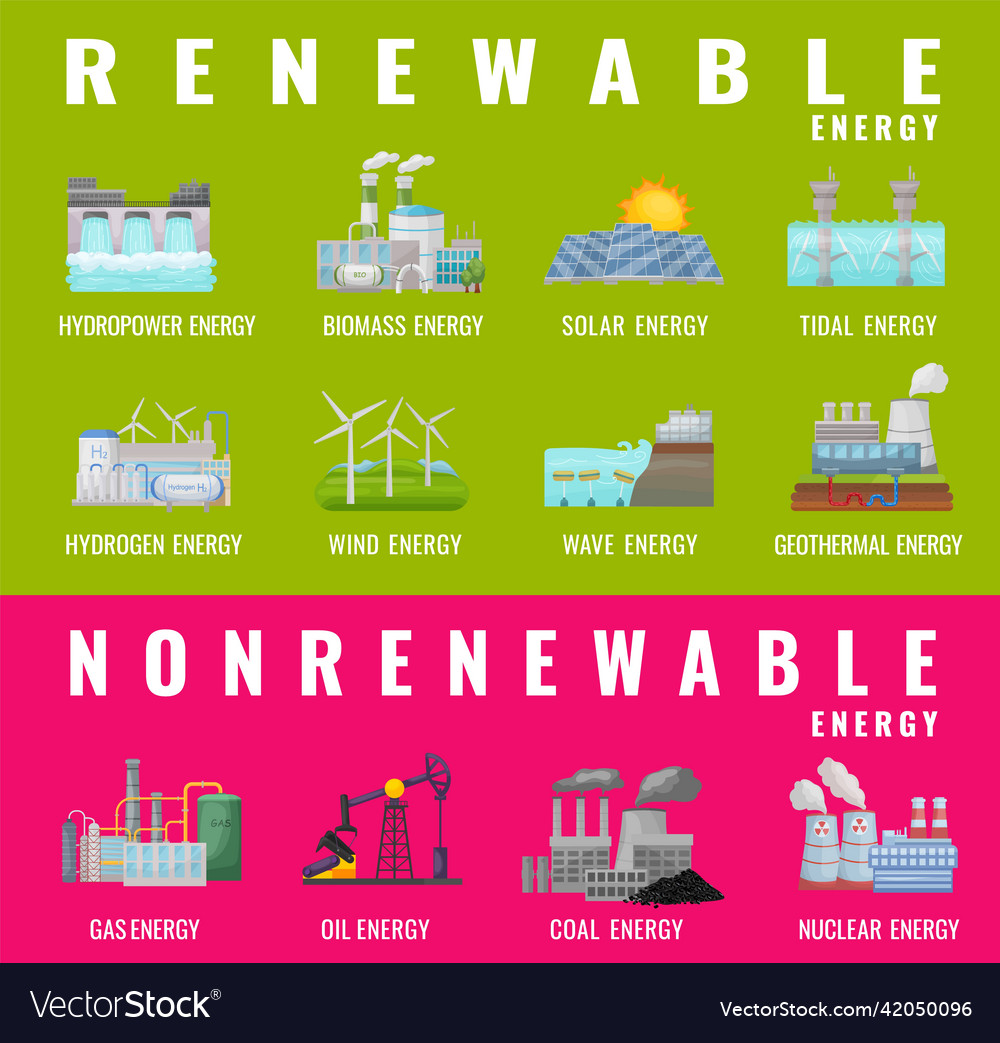
Hey there, eco-conscious friend! Ever feel like you're swimming in a sea of "go green" advice but don't quite know the difference between a solar panel and a lump of coal? Don't sweat it! Let's break down the basics of renewable and nonrenewable energy in a way that's actually, well, enjoyable.
Renewable Energy: Nature's Never-Ending Gift
Think of renewable energy as the gifts that keep on giving. These sources replenish themselves naturally, meaning we won't run out of them anytime soon (or, hopefully, ever!). They're the eco-friendly rockstars of the energy world.
Solar Power: Harnessing the Sun's Radiance
Must Read
Imagine powering your home with the same energy that gives you a tan (wear sunscreen, please!). Solar panels convert sunlight directly into electricity. From massive solar farms to rooftop panels, solar power is becoming increasingly accessible and affordable. Fun fact: Did you know some fabrics now have tiny solar cells woven into them, allowing you to charge your phone with your jacket? Talk about sustainable style!
Wind Power: Capturing the Breeze
Those majestic windmills you see dotting the landscape? They're not just for show! Wind turbines use the wind's kinetic energy to generate electricity. Wind power is a clean and efficient energy source, and with advancements in technology, turbines are becoming more powerful and less visually obtrusive. Think of it as nature’s own pinwheel, powering our lives.
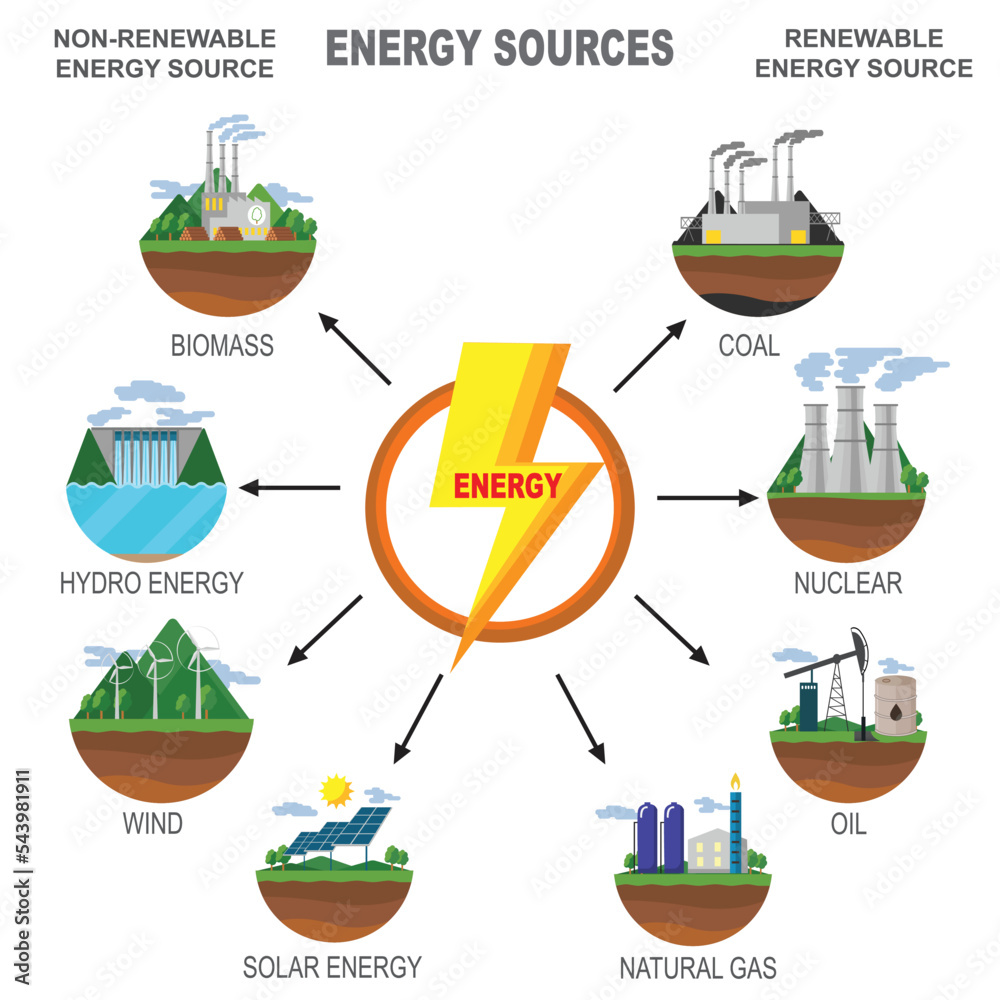
Hydropower: Water's Mighty Force
Harnessing the power of moving water is one of the oldest forms of renewable energy. Dams and other hydro-electric facilities use the force of water to spin turbines and generate electricity. While hydropower is a reliable energy source, it can also have environmental impacts, so finding the balance is key.
Geothermal Energy: Earth's Inner Heat
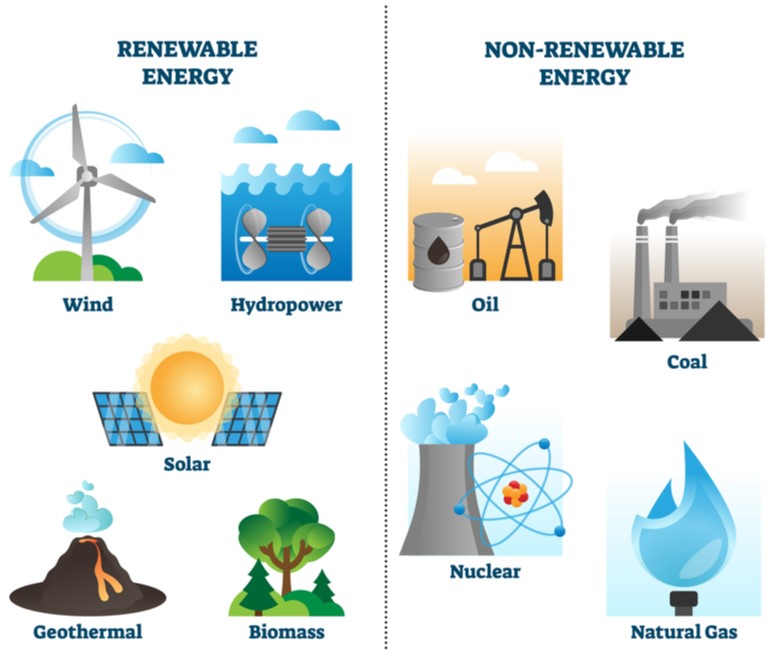
Deep beneath our feet lies a vast reservoir of heat. Geothermal energy taps into this heat to produce electricity and heat buildings directly. Iceland, for example, uses geothermal energy extensively, creating a sustainable and beautiful energy landscape. Talk about hot stuff!
Biomass Energy: Turning Waste into Power
This involves burning organic matter like wood, crops, and even waste to generate electricity. While considered renewable, sustainable harvesting and waste management practices are crucial to avoid deforestation and air pollution. Think of it as giving a new life to old materials.
Nonrenewable Energy: A Finite Resource
Nonrenewable energy sources are those that exist in limited quantities or take millions of years to replenish. Once they're gone, they're gone. Let’s face it: They're not the ideal long-term solution, but still make up a bulk of the world's energy production.
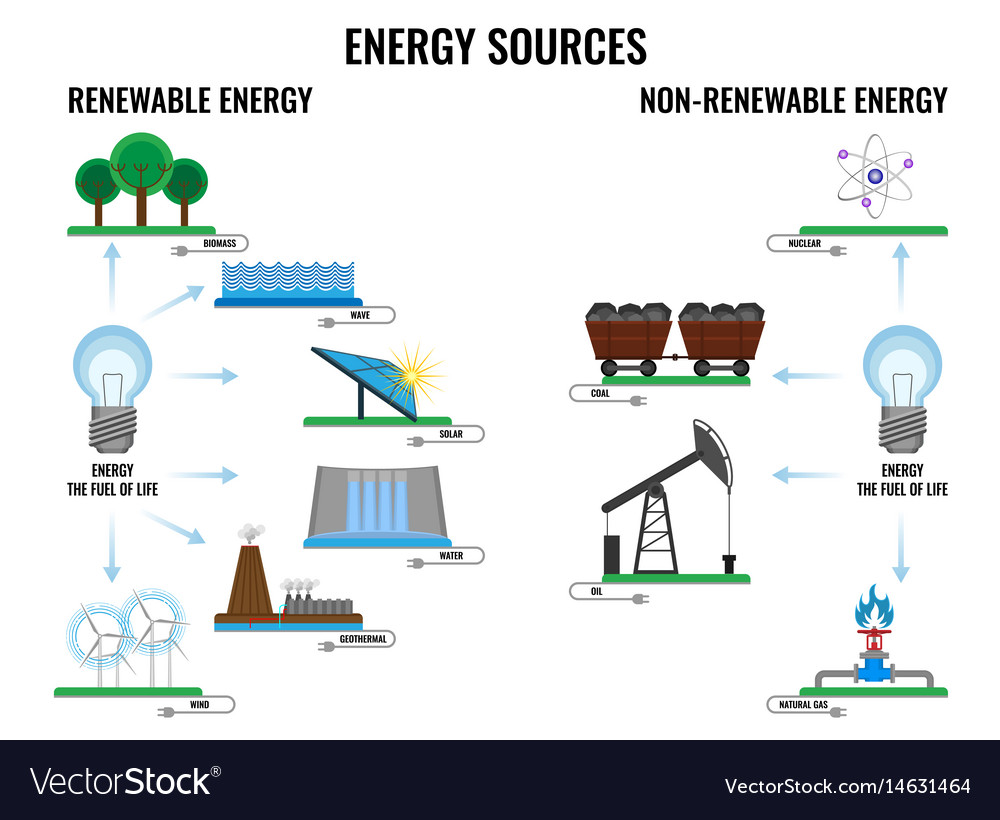
Fossil Fuels: The Classic (But Problematic) Choice
Coal, oil, and natural gas are the big three fossil fuels. They're formed from the remains of ancient plants and animals. Burning fossil fuels releases energy, but also greenhouse gases that contribute to climate change. Think of them as the reliable old classics that need to make way for newer, better models.
Nuclear Energy: Splitting Atoms for Power

Nuclear energy uses the process of nuclear fission to generate electricity. While it doesn't produce greenhouse gases directly, it does create radioactive waste that needs to be carefully managed. It's a powerful but potentially risky energy source.
Practical Tips for a Greener Lifestyle
Okay, so you know the difference between solar and coal. Now what? Here are a few simple ways to incorporate renewable energy principles into your daily life:
- Switch to renewable energy sources if your electricity provider offers them.
- Install solar panels on your roof if it's feasible.
- Use energy-efficient appliances and light bulbs.
- Reduce your energy consumption by turning off lights and unplugging electronics when not in use.
- Support companies and policies that promote renewable energy.
Making small changes in your daily habits can collectively have a big impact. Every little bit counts!
Making the Connection: Energy and You
Energy is everywhere, from the lights in your home to the fuel in your car. By understanding the difference between renewable and nonrenewable energy, you can make informed choices that benefit both yourself and the planet. Consider how much energy you use each day and think about ways to reduce your footprint. Let's work together towards a brighter, more sustainable future, one solar panel, one windmill, and one conscious decision at a time. It's not just about saving the planet; it's about creating a healthier, more vibrant world for ourselves and generations to come.