
Renewable Energy And Non Renewable Energy Definition
Alright, energy enthusiasts! Let's dive headfirst into the electrifying world of renewable and non-renewable energy! Prepare yourselves for a wild ride of facts, fun, and maybe a tiny bit of energizing exaggeration!
Renewable Energy: The Forever Kind
Think of renewable energy as the superhero squad of the energy world. These are the sources that Mother Nature constantly replenishes. They're like that never-ending bag of chips you wish existed!
Solar Power: Harnessing the Sun's Fury (Kind Of)
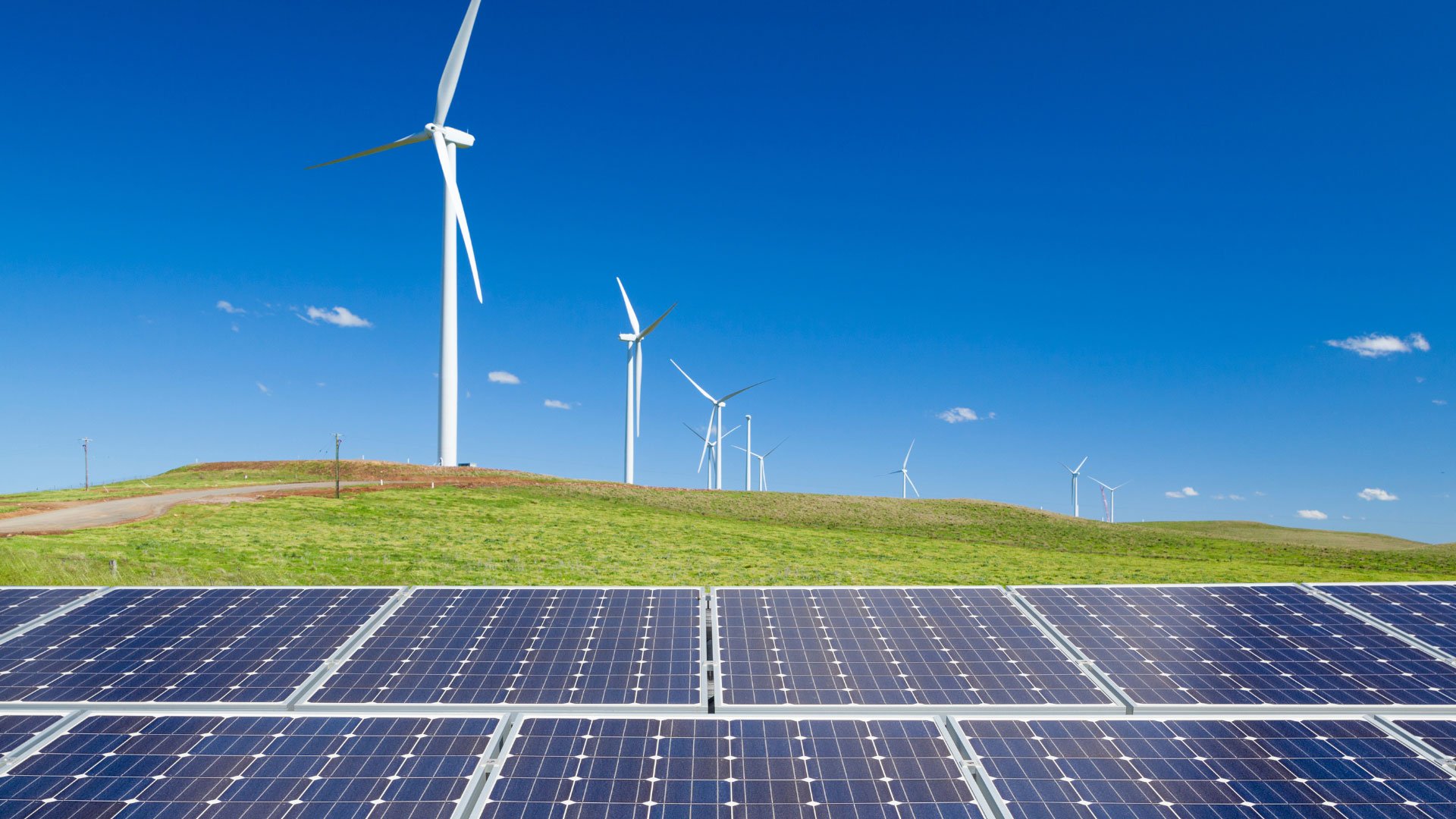
Solar power is all about capturing the sun's radiant energy and turning it into electricity. Imagine tiny little solar panels acting like sun-hungry sponges, soaking up those rays! It's like having your own personal sunbeam factory on your roof!
Must Read
Think of it, powering your house with sunshine! It's practically magic!
Wind Power: Letting the Breeze Do the Work
Wind power utilizes the power of, you guessed it, wind! Giant wind turbines spin like colossal pinwheels, converting the wind's kinetic energy into electricity. These turbines are like the ballerinas of the energy world, gracefully twirling in the breeze.
Who knew the wind could be such a powerhouse?
Plus, imagine the fun of pointing one out on a road trip: "Look kids, a giant fan that makes electricity!"
Hydropower: Tapping into the Water's Might
Hydropower harnesses the energy of moving water, typically rivers. Dams are constructed to control the flow of water, which then spins turbines to generate electricity. It's like a water park, but instead of thrilling rides, you get clean energy!
Water is an amazing natural source of power.
Geothermal Energy: Earth's Inner Warmth
Geothermal energy taps into the Earth's internal heat. This heat can be used to generate electricity or directly heat buildings. Imagine living next to an underground volcano that's actually powering your home. That's geothermal!
It's like having a giant radiator beneath your feet!
Biomass Energy: Fueling Up with Nature's Leftovers
Biomass energy involves burning organic matter, such as wood, crops, and even waste, to generate heat and electricity. Think of it as recycling nature's leftovers to keep the lights on. It’s nature’s way of saying, “Reduce, reuse, recycle... and generate power!”
"Renewable energy sources are the future, and the future is bright!" - Captain Planet, probably
Non-Renewable Energy: The Finite Kind
Now, let's shift gears and talk about non-renewable energy sources. These are the resources that are finite and cannot be easily replenished within a human lifespan. They're like that limited-edition snack you hoard because you know it won't be around forever!
Fossil Fuels: The Ancient Energy Storehouse
Fossil fuels, including coal, oil, and natural gas, are formed from the remains of ancient plants and animals that lived millions of years ago. They're like the dinosaurs' energy legacy, buried deep beneath the Earth's surface.
It took millions of years for these to form!
Coal: The Black Gold of the Past
Coal is a sedimentary rock that's burned to generate electricity. It was a major player in the Industrial Revolution. Think of it as the OG energy source, but maybe not the most environmentally friendly.
It powered the world for a long time!
Oil: The Slippery Liquid Gold
Oil, also known as petroleum, is a liquid fossil fuel that's refined into gasoline, diesel, and other products. It fuels our cars, airplanes, and a whole lot more. It's the lifeblood of modern transportation (for now!).
It helps us move people and things around.
Natural Gas: The Versatile Fuel
Natural gas is a gaseous fossil fuel that's used for heating, cooking, and generating electricity. It's like the Swiss Army knife of energy sources, with a wide range of applications. It’s also found deep beneath the earth.
Nuclear Energy: Splitting Atoms for Power
Nuclear energy involves splitting atoms in a process called nuclear fission to generate heat, which then produces electricity. It's like harnessing the power of the sun, but on a much smaller, more controlled scale. This can be very powerful!
Nuclear Fission sounds so cool.
Think of the possibilities.
The Big Showdown: Renewable vs. Non-Renewable
So, what's the main difference between these two energy categories? It boils down to sustainability. Renewable energy sources are sustainable because they're constantly replenished, while non-renewable energy sources are finite and will eventually run out.
One will last and one won't.
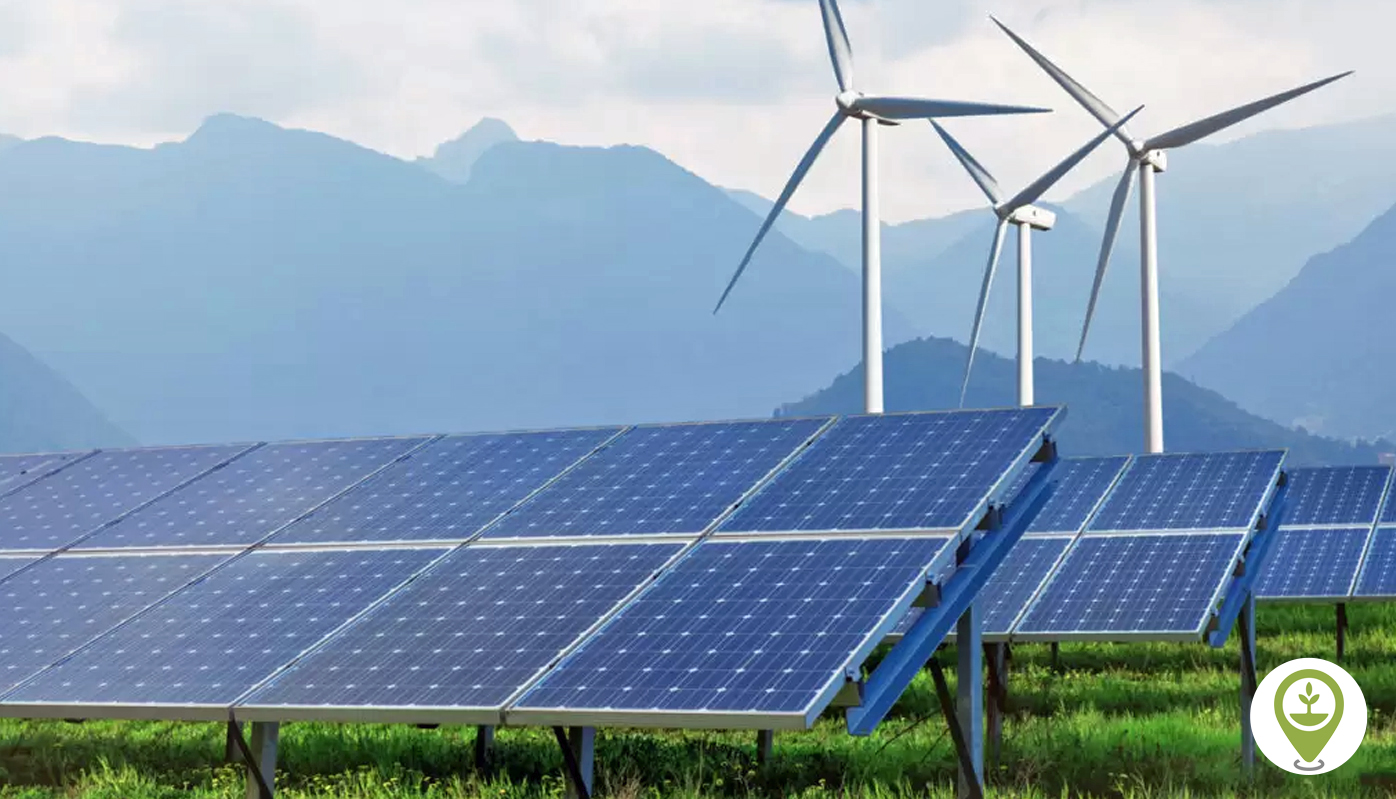
Plus, renewables are generally cleaner, reducing our carbon footprint.
Choosing renewable energy is like deciding to eat fresh veggies from your garden – good for you and the planet! Sticking with non-renewables is like ordering takeout every night – convenient now, but not so great for your wallet or your health in the long run.
The more we invest in and utilize renewable resources the better we can protect the planet, and the better we can ensure that there's going to be resources for those who come after us.
Okay, maybe that's a bit dramatic. But you get the idea! Renewable energy is the way to go for a sustainable future. Embrace the power of the sun, wind, water, and Earth's inner warmth!
Let's all become energy superheroes and make the world a cleaner, greener place! One solar panel, one wind turbine, one geothermal plant at a time! Together, we can power a brighter future!
So, next time you flip a light switch, think about where that energy is coming from. Choose wisely, and let's power the world with the good stuff!