Renewable And Nonrenewable Energy Sources Worksheet
Okay, let's talk energy. Not the kind you get from that double espresso (though, we all know that's crucial too), but the kind that powers our homes, charges our phones, and keeps the world spinning. Specifically, renewable and nonrenewable energy sources. Sounds a bit like a dry textbook chapter, right? But trust us, understanding the basics is surprisingly empowering – and kinda fascinating. Plus, you might even win your next trivia night!
Decoding the Energy Landscape
Think of energy sources as the ingredients in a giant global recipe. Some ingredients are abundant and constantly replenished (renewable), while others are finite and dwindling (nonrenewable). It's like the difference between growing your own tomatoes and raiding the last can of diced tomatoes in the apocalypse. Dramatic, maybe, but you get the picture!
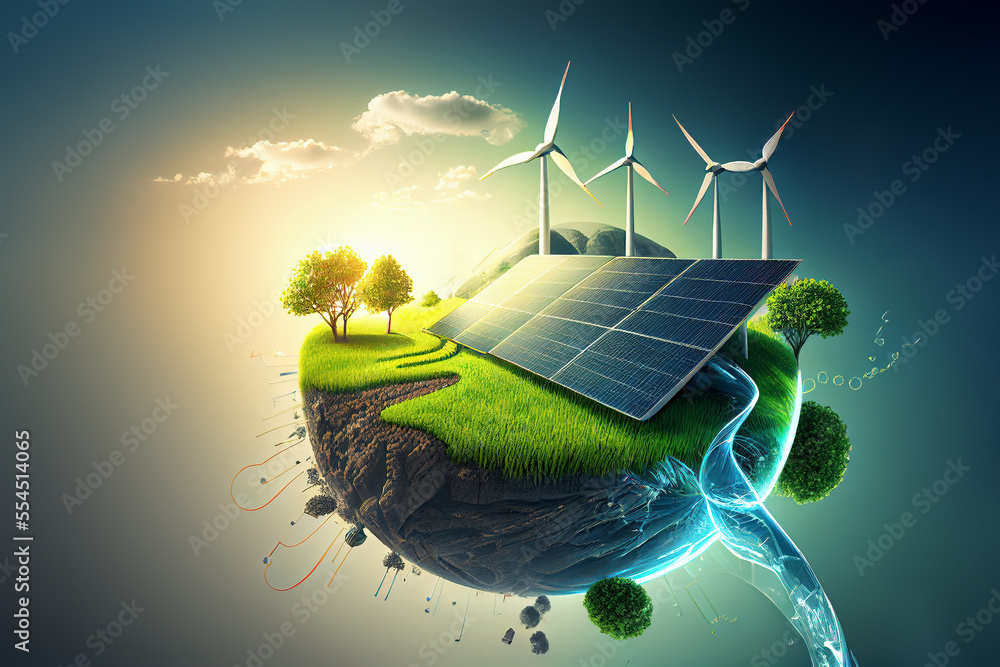
Renewable energy comes from sources that are naturally replenished. We're talking sunshine, wind, water, and geothermal heat from the Earth itself. The beauty of renewable energy? It's sustainable! It reduces our reliance on finite resources and often has a smaller environmental impact. Think Leonardo DiCaprio endorsing solar panels, not fossil fuel executives lighting cigars with hundred-dollar bills.
Must Read
Here's a quick rundown of some key players in the renewable energy game:
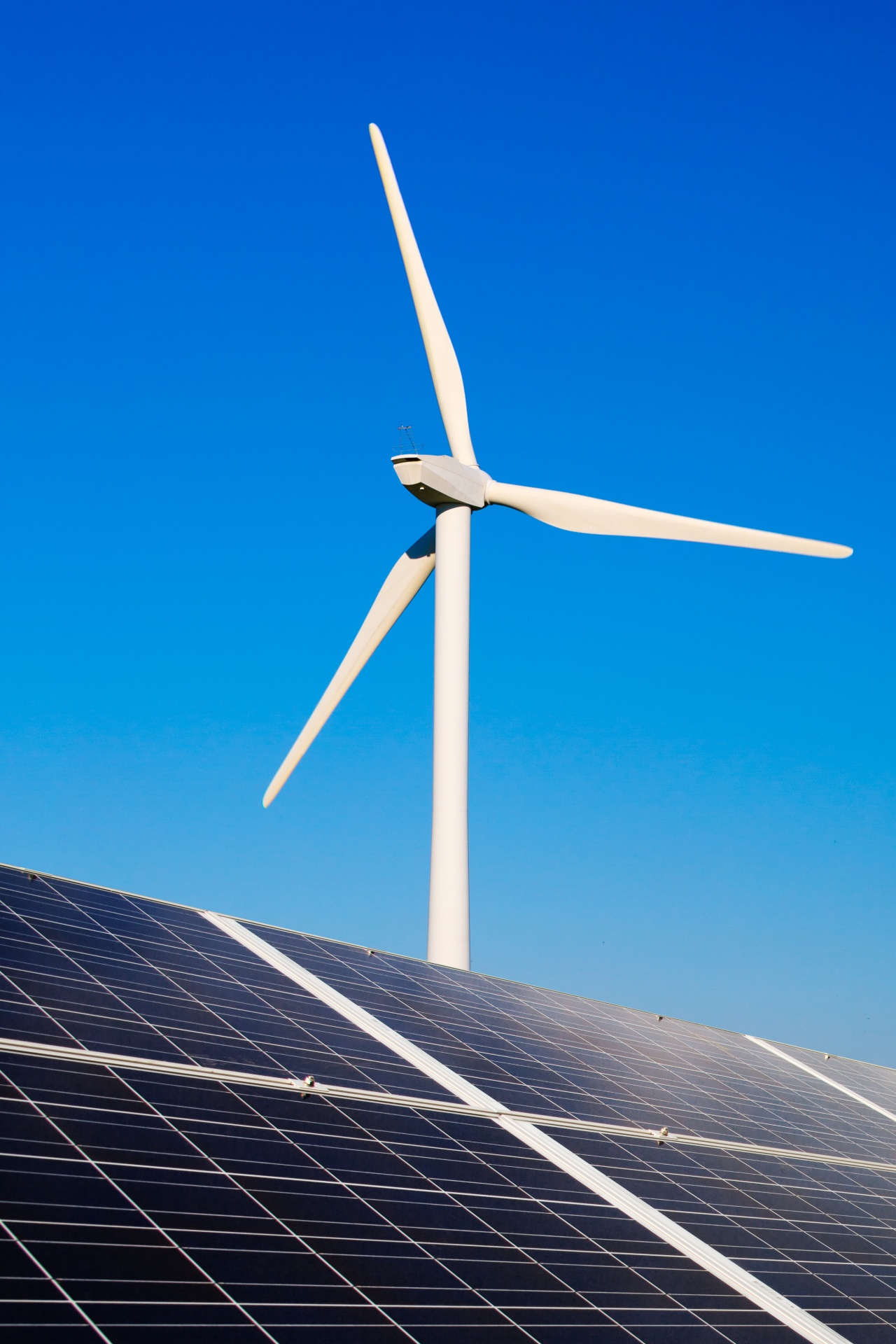
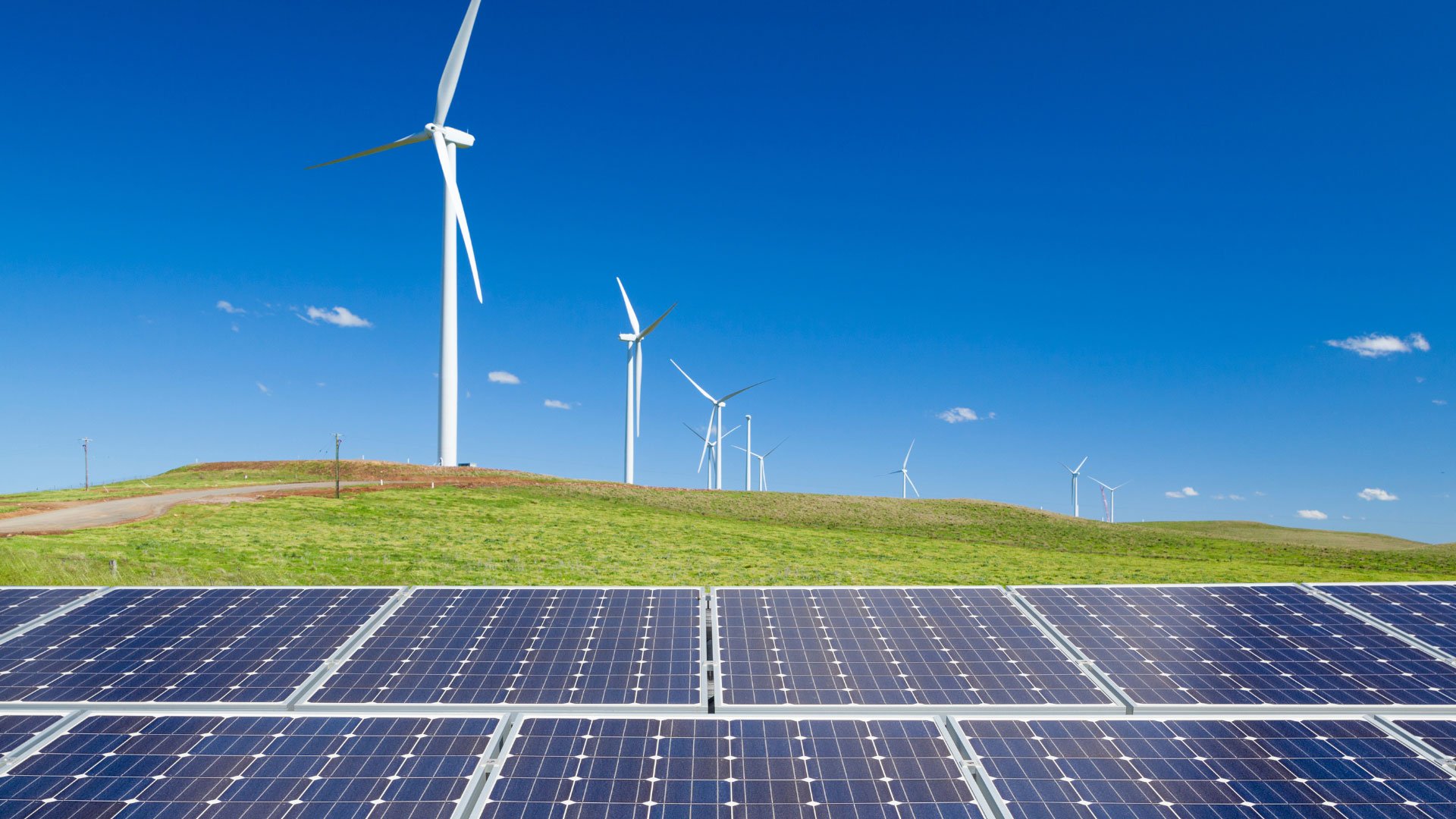
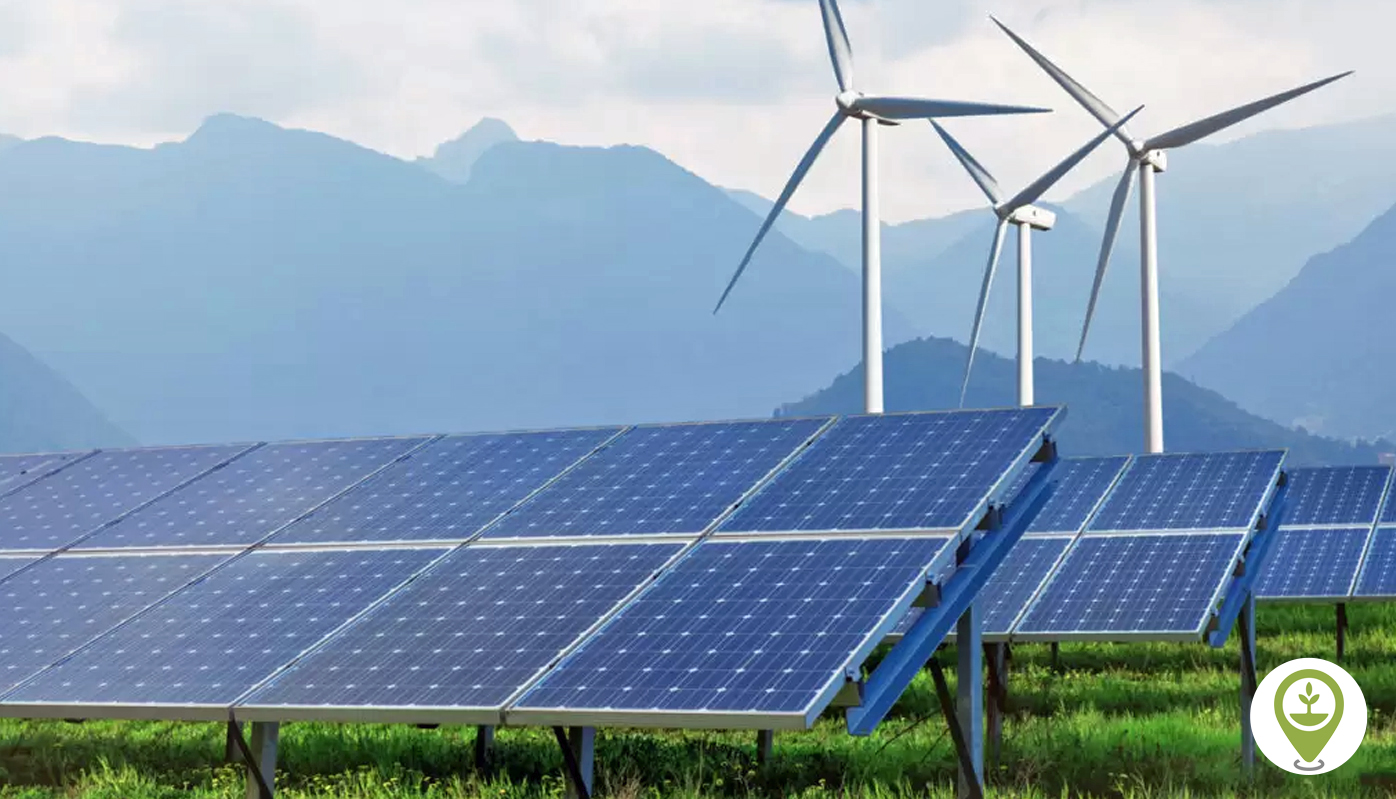
- Solar Power: Harnessing the sun's energy with photovoltaic cells. Fun fact: Did you know some scientists are exploring space-based solar power where massive solar arrays in orbit beam energy back to Earth? Talk about reaching for the stars!
- Wind Power: Using wind turbines to generate electricity. Think of them as modern-day windmills, only way more technologically advanced. Plus, some argue they look kind of cool, adding a futuristic vibe to the landscape.
- Hydropower: Utilizing the energy of flowing water. Dams are the most common example, but there are also smaller, less intrusive hydro systems that can be used to generate power.
- Geothermal Energy: Tapping into the Earth's internal heat. Iceland is a prime example of a country that heavily relies on geothermal energy for heating and electricity. Pretty cool, right? Imagine your house being heated by volcanic energy!
- Biomass Energy: Burning organic matter like wood, crops, and waste. While technically renewable, it's crucial to manage biomass resources sustainably to avoid deforestation and other environmental problems.
On the flip side, we have nonrenewable energy. These are resources that exist in limited quantities and cannot be replenished at the same rate they are consumed. We're talking about fossil fuels like coal, oil, and natural gas. These fuels have powered our industrial revolution and modern society, but their extraction and use come with significant environmental costs, contributing to climate change and pollution. Think Mad Max, but with more smog.
Key players in the nonrenewable energy arena:
- Coal: A combustible sedimentary rock containing high amounts of carbon and hydrocarbons. Think industrial revolution locomotives and… well, a lot of pollution.
- Oil (Petroleum): A liquid fossil fuel formed from the remains of ancient marine organisms. Think gasoline, plastic, and that slightly alarming smell at gas stations.
- Natural Gas: A naturally occurring hydrocarbon gas mixture consisting primarily of methane. Think cooking stoves, heating systems, and that (hopefully) not-leaking pipe in your basement.
- Nuclear Energy: Technically non-renewable because it relies on finite resources like uranium. Though, nuclear energy's carbon footprint is low, its waste disposal is controversial.
The Worksheet Wonders
Now, where does that “Renewable And Nonrenewable Energy Sources Worksheet” come into play? Well, these worksheets are designed to help students (and inquisitive adults!) understand the differences between these energy sources and their impacts. They often include activities like:
- Matching: Matching energy sources with their definitions or examples.
- Fill-in-the-blanks: Testing your knowledge of key terms and concepts.
- Pros and Cons Lists: Evaluating the advantages and disadvantages of different energy sources.
- Case Studies: Examining real-world examples of renewable and nonrenewable energy projects.
These worksheets aren't just about memorizing facts; they're about developing critical thinking skills. By analyzing the pros and cons of different energy sources, you can start to understand the complexities of the energy transition and the challenges we face in creating a sustainable future.
Little Changes, Big Impact
So, what can you do with this knowledge? Well, you can start by making small changes in your own life. Switch to energy-efficient appliances, reduce your electricity consumption, support companies that invest in renewable energy, and advocate for policies that promote a sustainable energy future. Every little bit helps!
Understanding the difference between renewable and nonrenewable energy sources is more than just an academic exercise. It’s about recognizing our role in shaping a more sustainable future. From turning off lights to advocating for clean energy policies, every action, no matter how small, contributes to a collective effort. It's a journey, not a destination, and every step counts.