Renewable And Non Renewable Energy Definition

Ever wonder where the power that lights up your home, charges your phone, and fuels your car really comes from? It's a fascinating journey, and understanding the difference between renewable and non-renewable energy is like having a superpower – you can make smarter choices for yourself and the planet! Think of it as understanding the rules of the game we're all playing on Earth.
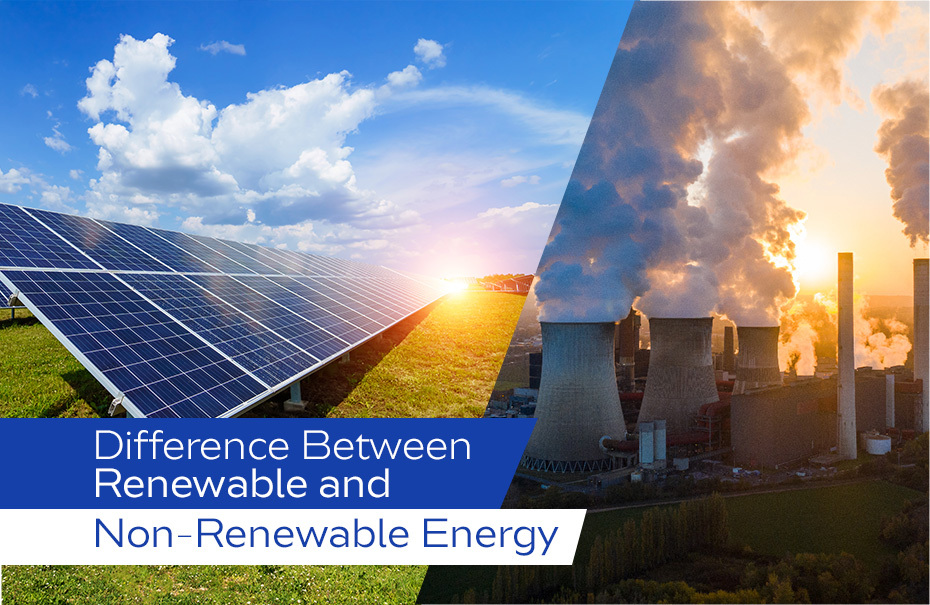
So, what exactly are renewable and non-renewable energy sources? Let's break it down. For beginners, the core concept is this: renewable energy is like a never-ending buffet – we can use it, and it replenishes naturally. Non-renewable energy, on the other hand, is like a limited-edition dessert – once it's gone, it's gone! Knowing this helps us understand why investing in renewables is so crucial.
For families, think of it like this: renewable energy is like growing your own vegetables. You plant the seeds (invest in solar panels or wind turbines), and you keep getting fresh produce (energy) year after year. Non-renewable energy is like buying all your food from the store – the supply isn't guaranteed forever, and it can get expensive! Talking about this with your kids can be a great way to teach them about sustainability and responsibility.
Must Read
And for the hobbyists or DIY enthusiasts out there, understanding these concepts opens up a world of possibilities! You might explore building a small solar panel system for your garden shed, or researching how to make your home more energy-efficient. Knowing the pros and cons of different energy sources can inform your projects and help you make environmentally conscious choices.

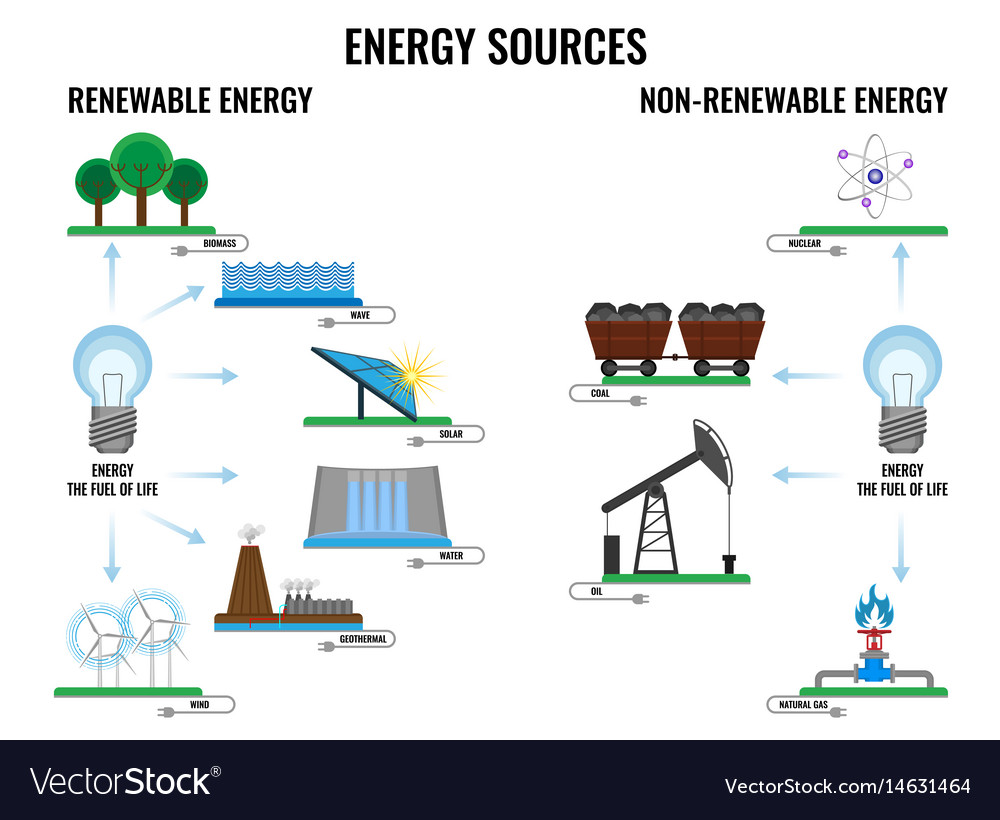
Let's get a little more specific. Renewable energy examples include:
- Solar power: Harnessing the sun's energy with solar panels.
- Wind power: Using wind turbines to generate electricity.
- Hydropower: Using the power of moving water, like rivers, to generate electricity.
- Geothermal energy: Tapping into the Earth's internal heat.
- Biomass energy: Burning organic matter, like wood or crops, for energy (though its sustainability depends on how it's managed).
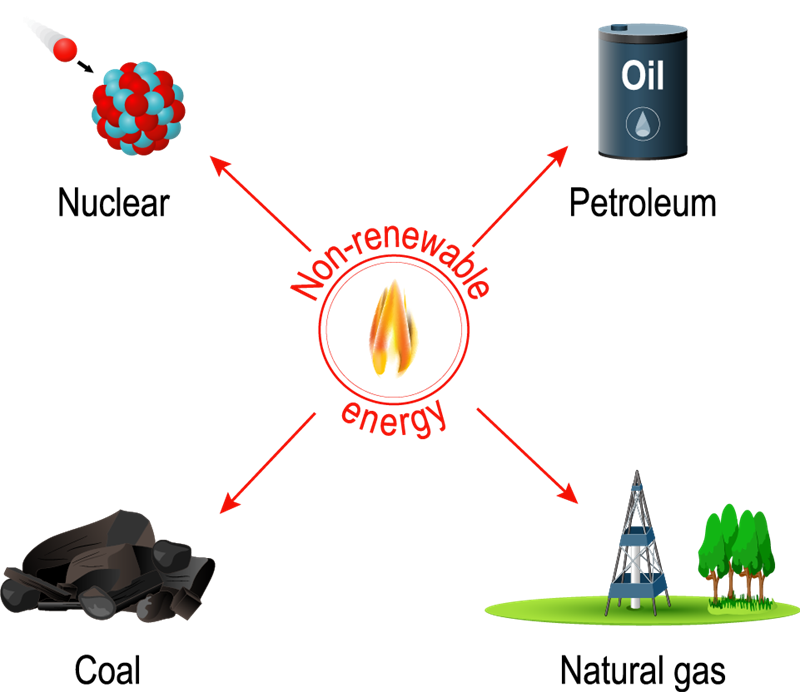
Non-renewable energy examples include:
- Fossil fuels: Coal, oil, and natural gas – formed from the remains of ancient plants and animals.
- Nuclear energy: Using the energy stored in the nucleus of atoms, typically uranium.
So, how can you get started making a difference? It's easier than you think!
- Start small: Switch to energy-efficient light bulbs.
- Reduce your energy consumption: Unplug electronics when you're not using them.
- Consider renewable energy options: Look into community solar programs or talk to your utility company about renewable energy plans.
- Educate yourself: The more you learn, the better informed your choices will be.
Understanding the difference between renewable and non-renewable energy isn't just about science; it's about making informed decisions that benefit you, your family, and the planet. It's empowering to know where your energy comes from and to have the ability to choose sources that are cleaner, more sustainable, and ultimately, better for everyone. So go ahead, explore the world of energy – you might be surprised at how much fun it can be!