
Regulator Settings For Oxy Acetylene Cutting
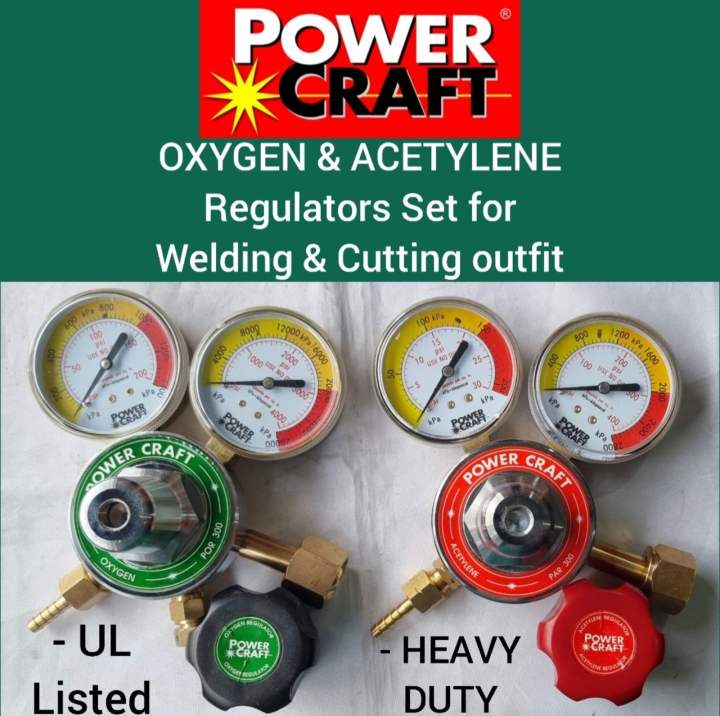
Ever watched sparks fly and metal surrender to a fiery dance? That's oxy-acetylene cutting, and it’s seriously cool!
It's like wielding a mini-sun that bends metal to your will. But before you grab a torch and channel your inner blacksmith, let's chat about something super important: those little dials and numbers on your regulators.
Setting the Stage: Regulator Rundown
Think of regulators as the conductors of our metal-melting orchestra. They tame the wild pressures of oxygen and acetylene. This ensures a smooth, controlled flow. It’s all about finesse!
Must Read
Ignoring these settings is like trying to conduct an orchestra with a kazoo. Not pretty, and definitely not safe. You want controlled power, not chaos!
Let's dive into the exciting world of regulator settings! We'll focus on getting that sweet spot for clean, efficient cuts.
Oxygen: The Breath of Fire
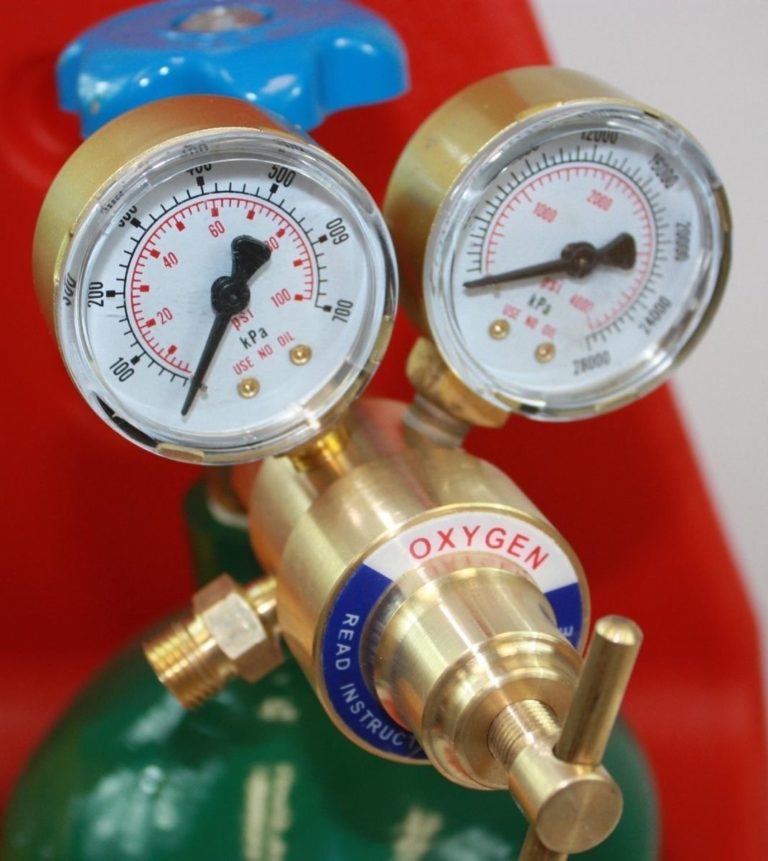
Oxygen is the lifeblood of our flame. It's what makes the acetylene burn fiercely enough to slice through steel.
Too little oxygen, and you'll get a sooty, lazy flame. Too much, and you risk oxidizing the metal too quickly, messing up your cut. It's all about finding the Goldilocks zone!
So, how do we find that perfect oxygen pressure? It depends on a few things. Like the thickness of the metal you're cutting. And the size of your cutting tip.
Generally, for thinner metals (think 1/8" to 1/4"), you might start around 25-30 PSI. For thicker stuff (1/2" and up), you might crank it up to 40-60 PSI or even higher. It’s a pressure buffet!
The best approach? Check your cutting tip manufacturer's recommendations. They know their stuff! Always consult the experts!
Keep an eye on that oxygen gauge while you're cutting. A smooth, steady flow is what you're after. No jerky movements allowed! Imagine your regulator is a volume knob for a heavy metal concert; find the sweet spot!

Acetylene: The Fuel for the Fire
Acetylene is the other half of our dynamic duo. It's the fuel that creates the intense heat we need. Think of it as the bass drum in our metal-cutting band.
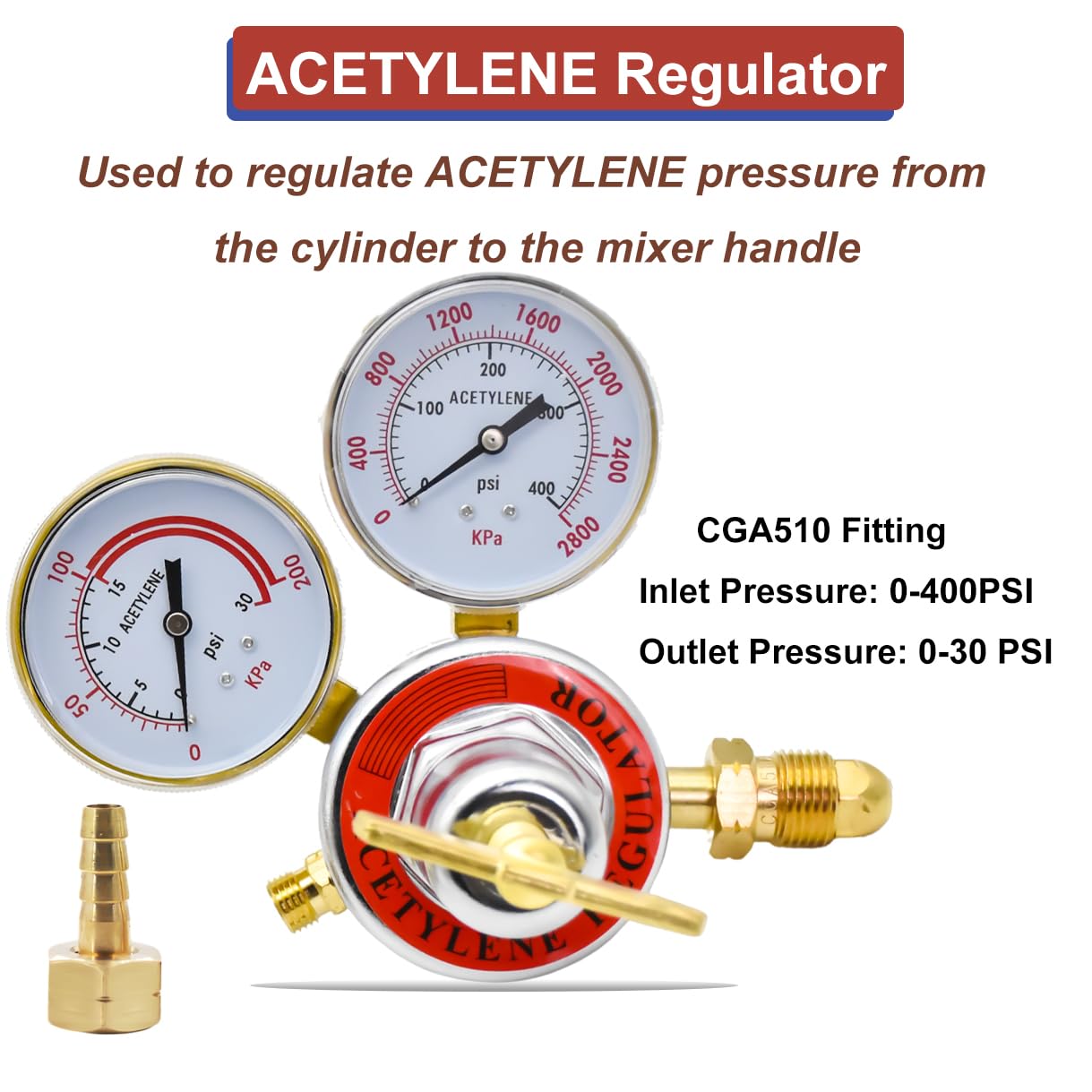
However, acetylene is a bit more… sensitive than oxygen. You gotta be extra careful with it! Respect the fuel!
Acetylene pressure is typically kept much lower than oxygen. This is because it can become unstable at higher pressures. Safety first, always!
For most cutting applications, you'll be aiming for something in the range of 5-10 PSI. Again, check those manufacturer recommendations!
Running acetylene pressure too high is a big no-no. It can lead to a dangerously unstable flame. We want controlled cuts, not explosions! Think “low and slow” when it comes to acetylene.
Just like with oxygen, keep a close watch on that acetylene gauge. Consistent pressure is key for a clean, even cut. Smoothness is the name of the game!
The Dance of the Dials: Fine-Tuning Your Flame
Okay, so you've got your regulators hooked up and your pressures set. Now comes the fun part: lighting up and fine-tuning that flame!
Start by opening the acetylene valve on your torch slightly. Then, use a striker to ignite the gas. Boom! (Controlled boom, of course.)
You'll probably see a sooty, yellow flame at first. That's normal. Now, slowly open the oxygen valve on your torch.

As you add oxygen, the flame will start to change. It'll become smaller, brighter, and more defined. Watch carefully!
You're aiming for a neutral flame. This is the sweet spot where the flame is neither oxidizing nor carburizing the metal. Perfect balance!
A neutral flame has a clearly defined inner cone. This cone is bright white and surrounded by a bluish outer envelope. It's a beautiful sight!
If you see a longer, feathery flame with a yellowish tint, you've got too much acetylene. Reduce the acetylene flow until you get that nice, crisp inner cone. Tame the beast!
If the inner cone is short, bluish, and hissing, you've got too much oxygen. Reduce the oxygen flow until the flame evens out. Back it down a notch!
It might take a little practice to get the hang of adjusting the flame. Don't worry, everyone starts somewhere! Practice makes perfect, and sparks are cool!
Safety First, Sparky!
Okay, before you go wild with your newfound flame-wielding skills, let's talk safety. Oxy-acetylene cutting is awesome, but it's also potentially dangerous if you don't respect it.
Always wear proper personal protective equipment (PPE). This includes safety glasses or a face shield, gloves, and a welding jacket. Dress the part!
Make sure your work area is well-ventilated. You don't want to be breathing in those fumes. Fresh air is your friend!
Keep flammable materials away from your work area. Sparks fly, and you don't want to start a fire. Clear the runway!
Never cut near pressurized containers or flammable liquids. That's just asking for trouble. Common sense, people!
Always check your equipment for leaks before you start cutting. A soapy water solution can help you spot leaks. Bubbles mean trouble!
And finally, always follow the manufacturer's instructions for your equipment. They know their stuff! Read the manual!
Beyond the Basics: Tips and Tricks
Want to take your oxy-acetylene cutting skills to the next level? Here are a few tips and tricks to keep in mind.
Use the right cutting tip for the job. Different tip sizes are designed for different metal thicknesses. Size matters!
Maintain a consistent travel speed. Moving too fast or too slow can result in a messy cut. Find your rhythm!
Preheat the metal before you start cutting. This helps to improve the cut quality and reduce slag. Warm it up!
Use a cutting guide to help you make straight cuts. A steady hand is great, but a guide is even better. Stay on track!
Clean up your cuts afterwards. A grinder or file can help you remove any burrs or sharp edges. Polish it off!
Practice, practice, practice! The more you cut, the better you'll become. Embrace the learning curve!
The Thrill of the Cut
Oxy-acetylene cutting is more than just a way to slice metal. It's an art form. It's a skill. It's a downright awesome experience!
There's something incredibly satisfying about watching a beam of intense heat melt through steel. It’s like magic!
It's a testament to human ingenuity and our ability to harness the power of fire. Pretty cool, right?
So, go forth, experiment, and create! Just remember to respect the power you wield and always prioritize safety. Happy cutting!
Who knows, maybe you'll discover your inner metal artist. The possibilities are endless! Unleash your inner spark!
And remember, the next time you see those sparks fly, you'll know exactly what's going on behind the scenes. You'll be a regulator-setting pro! High five!
Now get out there and make something amazing. Go get 'em!