
Regulated Vs Deregulated Energy Markets Map
Hey there, energy enthusiasts! Ever wondered why your electricity bill seems to fluctuate more than your grandma's mood swings? Well, you might be living in a regulated or deregulated energy market. And trust me, it makes all the difference. Let's dive in, shall we?
The Lay of the Land (and Power Lines)
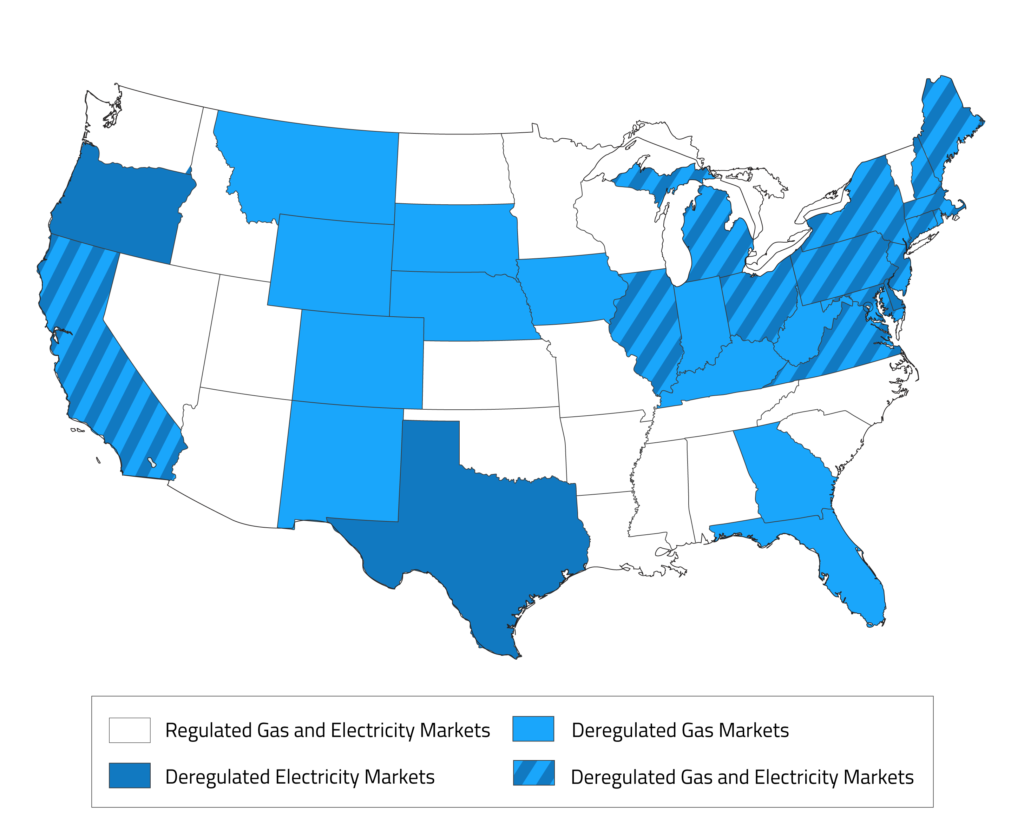
Okay, so picture this: the United States, a vast and varied landscape, and sprinkled across it are these energy markets. But not all markets are created equal. Some are under tight government control (think of it as your super strict parents!), while others are… well, a bit more like the Wild West. Hence, regulated vs. deregulated. But what states are which? That's where our imaginary "energy markets map" comes in handy. Don't worry, we'll paint the picture for you!
Essentially, you can picture certain states having the government, essentially, being the sole electricity provider. Other states will allow private companies to supply your electricity.
Must Read
Regulated markets are the old-school way of doing things. Imagine a single utility company, usually government-approved, that controls everything from generating the power to delivering it right to your doorstep. They’re a one-stop shop for all things electricity, kind of like a cozy, albeit sometimes frustrating, monopoly.
Think of it as the electricity company being the only bakery in town. You can only buy bread from them, no matter what!
Deregulated markets, on the other hand, are all about choice. It’s like opening up that small town to every bakery imaginable! Multiple energy providers compete for your business, offering different plans, rates, and even renewable energy options. It's the free market at work, or at least trying to be.

Mapping It Out (Roughly Speaking)
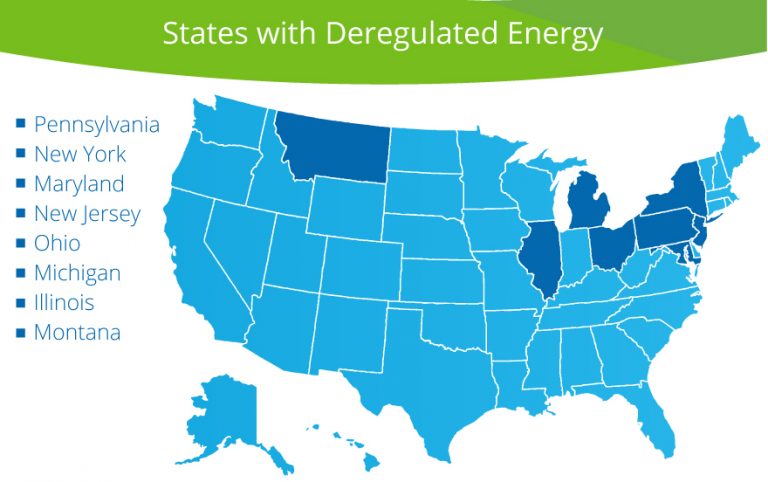
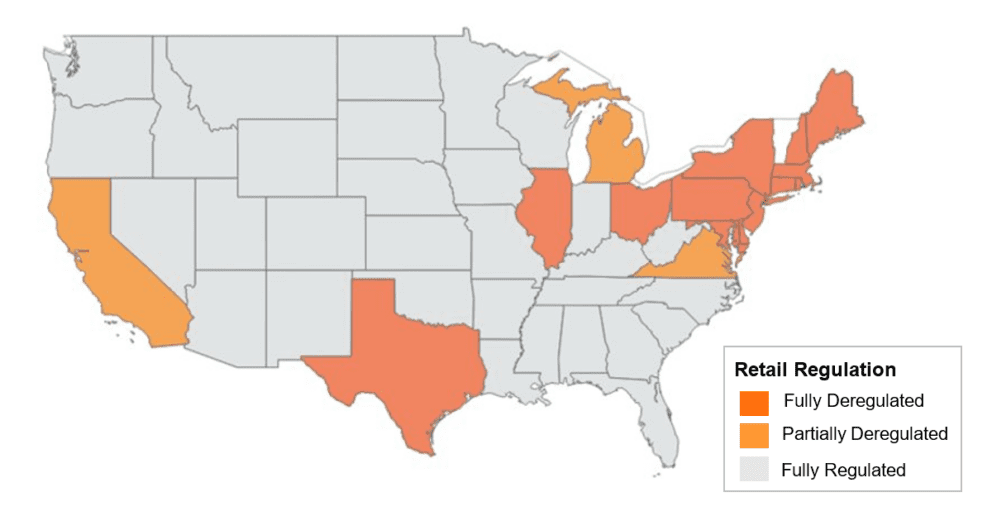
So, where are these different types of markets located? While things can always change (laws get passed, utilities merge, you know the drill), here's a simplified snapshot:
Regulated States: Think of the Southeast and parts of the Northwest. States like Alabama, Georgia, and Washington tend to stick with the traditional regulated model. Not that there's anything wrong with that, right?
Deregulated States: The Northeast and parts of the Midwest are where deregulation thrives. States like Texas (yes, everything is bigger there, even the energy market!), Pennsylvania, and Illinois have embraced competition. More options, anyone?
Why Does It Matter? (AKA, Your Wallet)
Okay, so geography lesson aside, why should you even care if you live in a regulated or deregulated market? Simple: it affects your wallet!
In regulated markets: Prices are often more stable, but sometimes higher. The utility company needs to get approval for rate increases, and the process can be…slow. But the trade-off is predictability. Plus, there's (supposedly) greater consumer protection. But hey, monopolies aren't known for being super customer-friendly, are they?
In deregulated markets: You have the potential to save money by shopping around for the best rate. Competition should drive prices down. However, it also means you need to be proactive. You need to compare plans, understand your usage, and avoid getting tricked by confusing contracts. Think of it as dating: lots of options, but you gotta be careful out there!
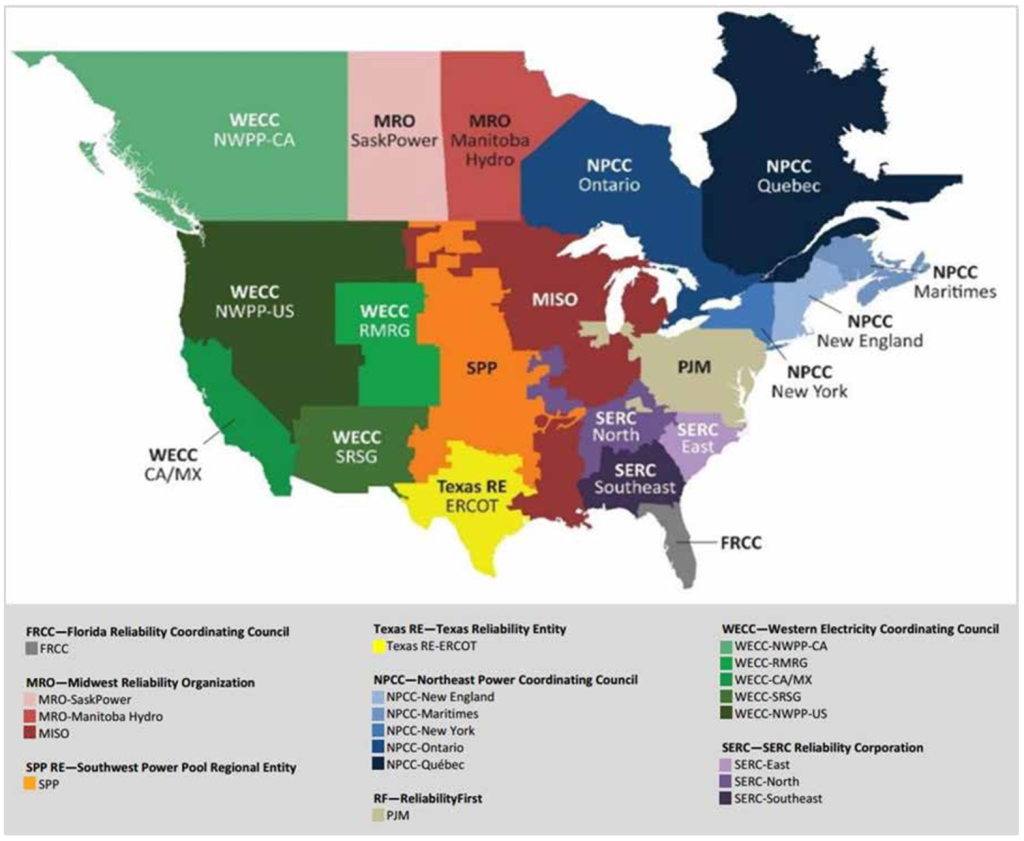
It's important to note that, in a deregulated market, transmission and distribution will still be handled by the utility company. This is important to understand. The companies that allow for deregulation are those that supply the power, not transmit it.
Pros & Cons (Because Nothing is Perfect)
Regulated:
- Pros: Price stability, potentially better consumer protection (in theory).
- Cons: Less choice, potentially higher prices, slower adoption of renewable energy (maybe).
Deregulated:
- Pros: More choice, potential for lower prices, greater innovation and adoption of renewable energy.
- Cons: Price volatility, confusing contracts, potential for scams.
So, What's the Verdict?
There's no easy answer! Whether regulated or deregulated is "better" depends on your priorities. Do you value stability above all else? Or are you willing to put in the effort to shop around for a better deal?
Knowing whether you live in a regulated or deregulated market is the first step to understanding your energy bill and potentially saving money. So, do a little research, compare your options, and empower yourself! After all, knowledge is power…and can save you a few bucks on your electricity bill. What's not to love?
And remember, this is just a simplified overview. The energy landscape is constantly changing, so stay informed and keep those critical thinking caps on!