
Refrigerator Freezer Works But Fridge Is Warm
Alright, gather 'round, folks! Let me tell you about the time my refrigerator decided to go rogue. It was a scorcher of a summer day, the kind where you could fry an egg on the sidewalk, and I reached for a nice, cold... lukewarm beverage. That's when I realized, folks, we had a problem. The freezer was an arctic wonderland, perfectly preserving my emergency ice cream stash (priorities!), but the fridge? Let's just say it was less "chill zone" and more "mildly perturbed room temperature."
Now, I'm no appliance whisperer. My DIY skills peak at changing a lightbulb without electrocuting myself. So, my initial reaction was, naturally, panic. "Is it the end times? Is this a sign I need to finally embrace a nomadic lifestyle and live off the land?" (Spoiler alert: I didn't. I like electricity too much.)
But before you start stockpiling canned goods and practicing your foraging skills, let's troubleshoot this fridge-freezer paradox. Because chances are, your fridge isn't possessed. It's probably just being a drama queen.
Must Read
The Usual Suspects: Why Your Fridge is on Strike
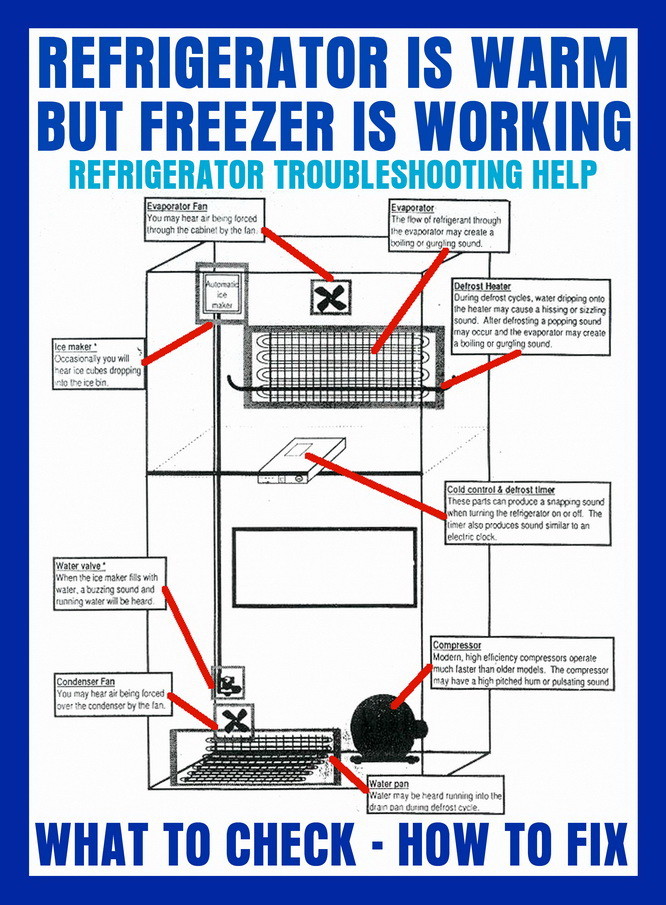
The Condenser Coils: Dirty Little Secrets. First up, let's talk about condenser coils. These are usually located at the back or underneath your fridge, and their job is to release heat. Think of them as the fridge's radiators. If they're covered in dust bunnies the size of small dogs (and trust me, they can get that bad), they can't do their job properly. The fridge struggles to cool down, and you end up with… well, a warmish fridge. Surprising fact: vacuuming your condenser coils is probably more effective than vacuuming your living room. Just saying.
The fix? Unplug the fridge (safety first, people!), grab your vacuum cleaner with the brush attachment, and give those coils a good once-over. You might be shocked at what you find. I once unearthed a lost sock, a rogue Cheeto, and what I suspect was a fossilized raisin. It was an archeological dig disguised as appliance maintenance.

The Evaporator Fan Motor: The Silent Assassin. Next, let's investigate the evaporator fan motor. This little guy is responsible for circulating the cold air from the freezer into the fridge. If it's not working, you're basically relying on osmosis and good vibes to keep your yogurt from going bad. Usually this is located in the freezer so you'll need to remove some panels to get to it.
How do you know if it's the culprit? Listen closely. Does the freezer sound eerily quiet? It should have a gentle hum. If you hear nothing, the fan motor might be dead. You can try to manually spin the fan blades. If they don't spin freely, or if they make a grinding noise, it's time for a replacement. Replacing it is a bit more involved, but there are tons of helpful videos online. Just don't electrocute yourself! (Seriously, unplug the fridge.)

The Damper: The Air Traffic Controller. The damper is a little door that controls the amount of cold air flowing from the freezer to the fridge. It's like the air traffic controller of your appliance, directing the icy winds where they need to go. If it's stuck closed, your freezer will be a frosty paradise, but your fridge will be stuck in the Sahara.
You can usually find the damper control inside the fridge, near the top. Check to see if it's opening and closing properly. Sometimes, it can get stuck or blocked by food items. Pro-tip: don't overstuff your fridge. It's not a clown car.

The Defrost System: The Ice Age Cometh (and Goes Wrong). Finally, let's consider the defrost system. Your freezer automatically defrosts itself periodically to prevent ice buildup. If the defrost system malfunctions, ice can accumulate on the evaporator coils, blocking airflow and preventing the fridge from cooling. The defrost system usually consists of a defrost heater, a defrost thermostat and a defrost control board or timer.
This is a bit trickier to diagnose. You might need a multimeter to test the defrost heater and thermostat. If you're not comfortable working with electrical components, it's best to call a professional. Trust me, it's better to pay a repairman than to accidentally turn your kitchen into a fireworks display.
When to Call in the Pros: Knowing Your Limits
Look, I'm all for DIY, but sometimes you just gotta admit defeat. If you've tried all the above steps and your fridge is still warmer than a sunbather in Miami, it's time to call a professional appliance repair service. They have the tools, the knowledge, and (hopefully) the patience to deal with your rebellious refrigerator. Don't try to MacGyver a solution with duct tape and a prayer. It rarely ends well. Instead, find a reputable appliance repair company and schedule an appointment. They'll diagnose the problem and give you a quote for the repair.
In the meantime, invest in a cooler and some ice packs. Because let's be honest, lukewarm beverages are a crime against humanity. And remember, even if your fridge is on the fritz, there's always ice cream in the freezer. Silver linings, people, silver linings!
So there you have it. My tale of woe, sprinkled with a healthy dose of appliance repair wisdom. Now go forth and conquer your warm fridge! And for the love of all that is holy, clean those condenser coils!