
Red And Black Electrical Wires

Alright, so you know those moments, right? You’re trying to fix something, maybe a toy car, or you're peeking inside some gadget, and there they are. Always there. The dynamic duo of the electrical world: red and black wires. You know the ones I’m talking about, don’t you?
They’re like the salt and pepper of simple circuits, the Bonnie and Clyde of low-voltage electricity. You see them, and instantly, your brain just clicks into "electrical mode."
The Iconic Duo: Red for Go, Black for No (Well, Almost!)
Most of the time, especially when we’re talking about direct current (DC) stuff – think batteries, cars, all those glorious DIY projects – these two have pretty specific roles. The red wire? That's usually your positive side. It’s where the power, the good stuff, is coming from. Think of it as the enthusiasm, the push. It’s saying, "Let’s get this party started!"
Must Read
Then you’ve got the black wire. This little guy is typically the negative, the return path, the ground. It’s where the electricity goes after it’s done its job, completing the circuit. It’s saying, "Okay, done that, what's next?" Together, they make things happen. They create that beautiful flow that powers your stuff. It's kinda neat, isn't it?
The Universal Language (Mostly)
Isn’t it wild how these two colors are almost universally understood? Pick up any battery, any simple DC motor, even some LED strips, and BAM! Red and black. It's like an unspoken agreement among engineers, a secret handshake for anyone dabbling in electronics. No need for complex diagrams for the basics, just follow the colors! Well, most of the time. Always double-check, of course, because sometimes the universe likes to play tricks.

But seriously, this color coding makes our lives so much easier. Imagine if every manufacturer used different colors? We'd be lost in a rainbow of confusion, sparks flying everywhere! (Okay, maybe a slight exaggeration, but you get my drift.)
The Dreaded Mix-Up: A Sparky Story
And then there’s the flip side, the moment everyone dreads. You’re connecting something, maybe a new fan to a battery pack, feeling all confident, and suddenly… ZAP! A tiny spark, a puff of smoke, and that distinct smell of "uh oh." Yep, you've probably just reversed the polarity, haven't you?
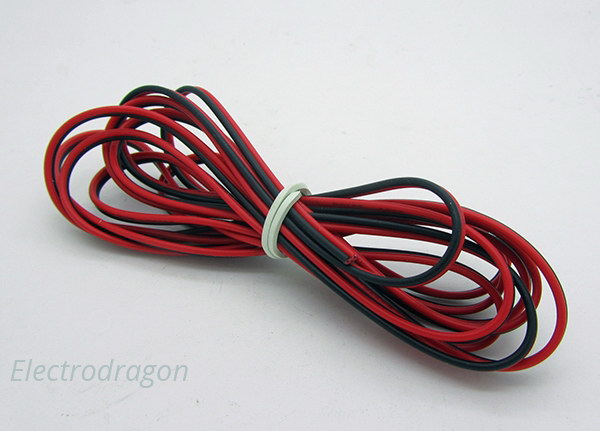
It happens to the best of us! One minute you're a DIY hero, the next you're staring at a possibly fried component, wondering where you went wrong. Sometimes it's a minor inconvenience, other times... well, let's just say a trip to the electronics store might be in your future. It’s a harsh lesson, but one you usually only learn once or twice before those colors become etched into your memory.
That little moment of panic, that split second where you question all your life choices – it’s all part of the fun, right? No? Just me?
Why It Matters: More Than Just Colors
So, why all the fuss about red and black? It’s not just about making things light up or move. It’s about safety, sure, but also about understanding the fundamental flow of electricity. When you connect things correctly, you’re not just joining wires; you’re guiding energy, telling it where to go and what to do.
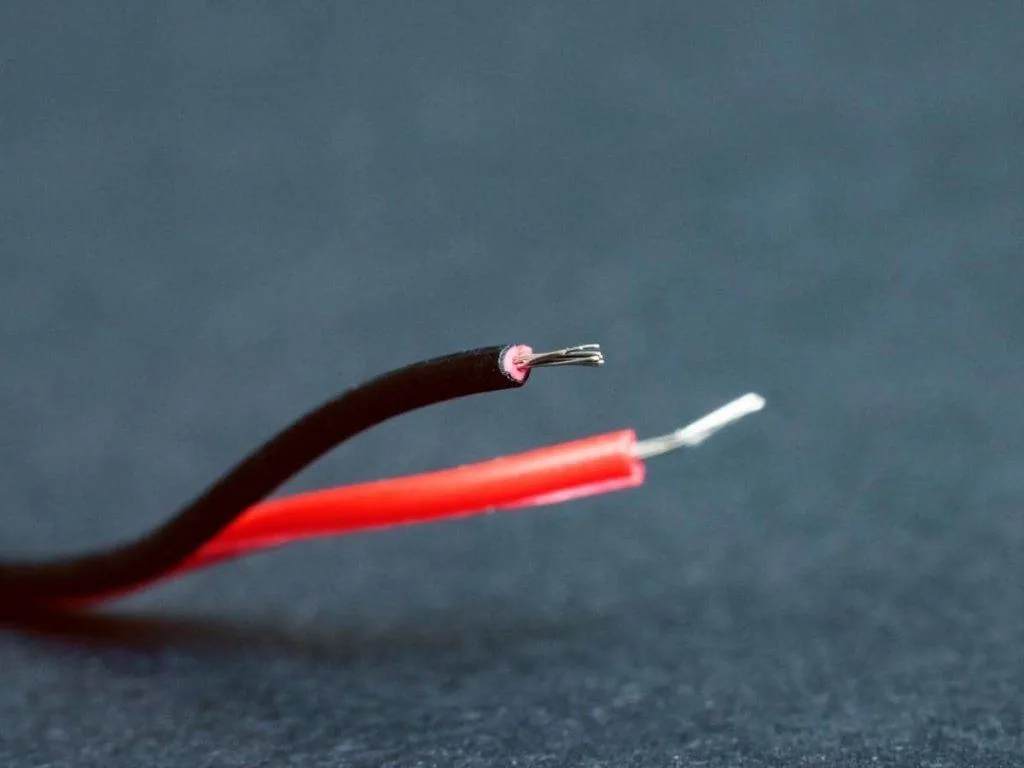
It's like directing traffic on a tiny highway for electrons. You want them to go the right way to get to their destination safely and efficiently. Getting it right gives you that little burst of pride, that "I did it!" feeling. And honestly, isn't that what tinkering is all about?
Beyond DC: A Quick Detour (But Not Too Far!)
Now, a quick heads-up: when you start messing with the wiring in your house, that’s a whole different ballgame. In AC (alternating current) residential wiring, the colors change up. Black might be "hot," white "neutral," and green or bare wire is "ground." Totally different rules! So, this red and black chat is mostly for your low-voltage, battery-powered adventures. Don't go applying this logic to your light switches, okay?

But for those delightful DC projects, those moments where you’re bringing a circuit to life with a battery, those red and black wires are your best friends. They're telling you a story, guiding your hands, and quietly, reliably, doing their job.
The Takeaway: Trust, But Verify (Always!)
So, the next time you see those familiar red and black wires, give 'em a nod. They're not just pieces of insulated copper; they're your guideposts in the wonderful, sometimes sparky, world of electronics. Understand their roles, respect their power, and always, always double-check before you connect. A quick look at a diagram or a multimeter can save you a lot of headache (and maybe a new gadget!).
Now go forth, my friend, and connect those wires with confidence! Just remember which is which. You got this.