Radioactive Waste Effects On The Environment
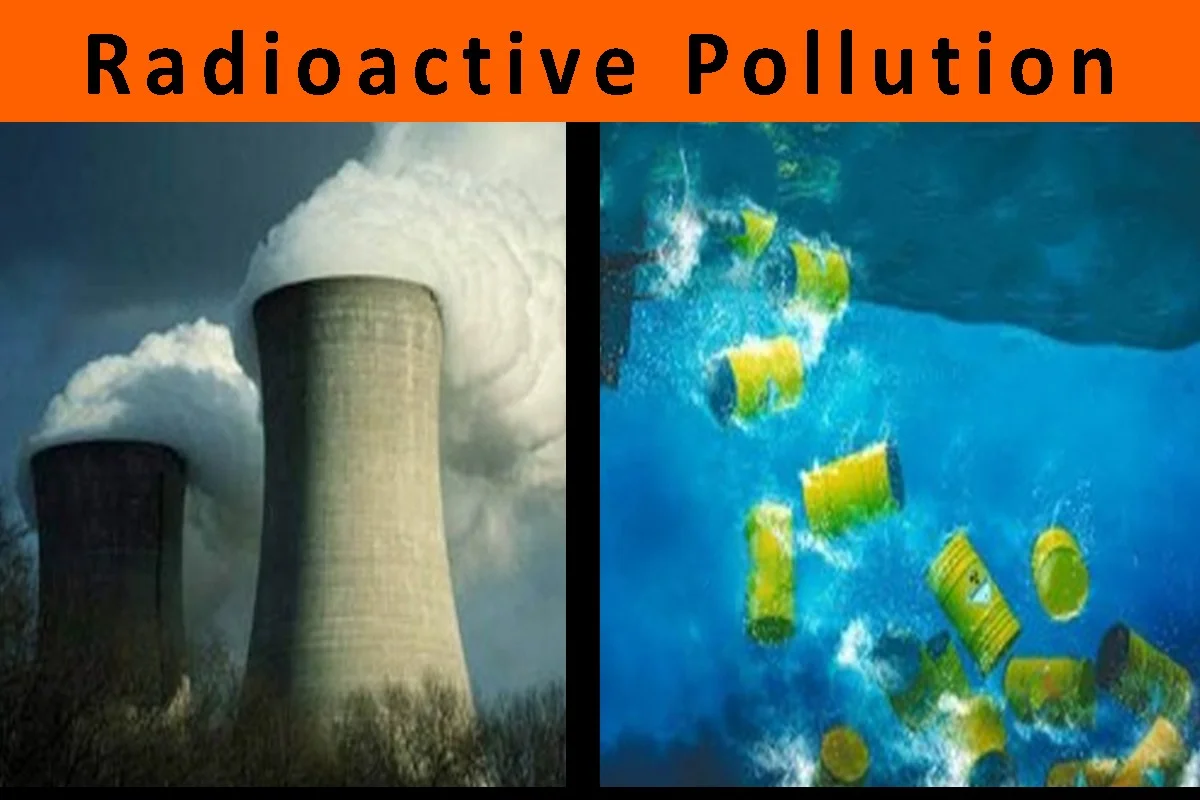
Ever wonder where all the "stuff" goes after we're done using it? We're talking about the stuff we can't just toss in the recycling bin – the kind that sticks around for a really long time. That's where radioactive waste comes in. It might sound a little scary, like something out of a sci-fi movie, but understanding it is crucial for making informed decisions about our world and future. Plus, digging into the science of radioactivity is actually pretty fascinating!
So, what is radioactive waste, and why does it exist? Simply put, it's the leftover material from processes that involve nuclear reactions. These reactions, while potentially dangerous if uncontrolled, are incredibly useful. Think of nuclear power plants – they use controlled nuclear fission to generate electricity. That's a huge benefit! Radioisotopes, radioactive forms of elements, are also used extensively in medicine. They can help diagnose diseases, like using radioactive tracers to see how well your heart is functioning. They can even treat cancer by targeting and destroying cancerous cells with radiation. Pretty amazing, right? There are also industrial applications, such as gauging the thickness of materials or sterilizing medical equipment.
Believe it or not, radioactive materials even sneak into education and everyday life. Remember those old smoke detectors? Many used a tiny amount of Americium-241 to detect smoke particles. While newer models are often ionization-free, this illustrates how even seemingly scary things can be harnessed for safety. In education, teachers might use safe, controlled demonstrations with sealed radioactive sources to show students how radiation works and how it can be measured. This hands-on learning can really demystify the topic.
Must Read
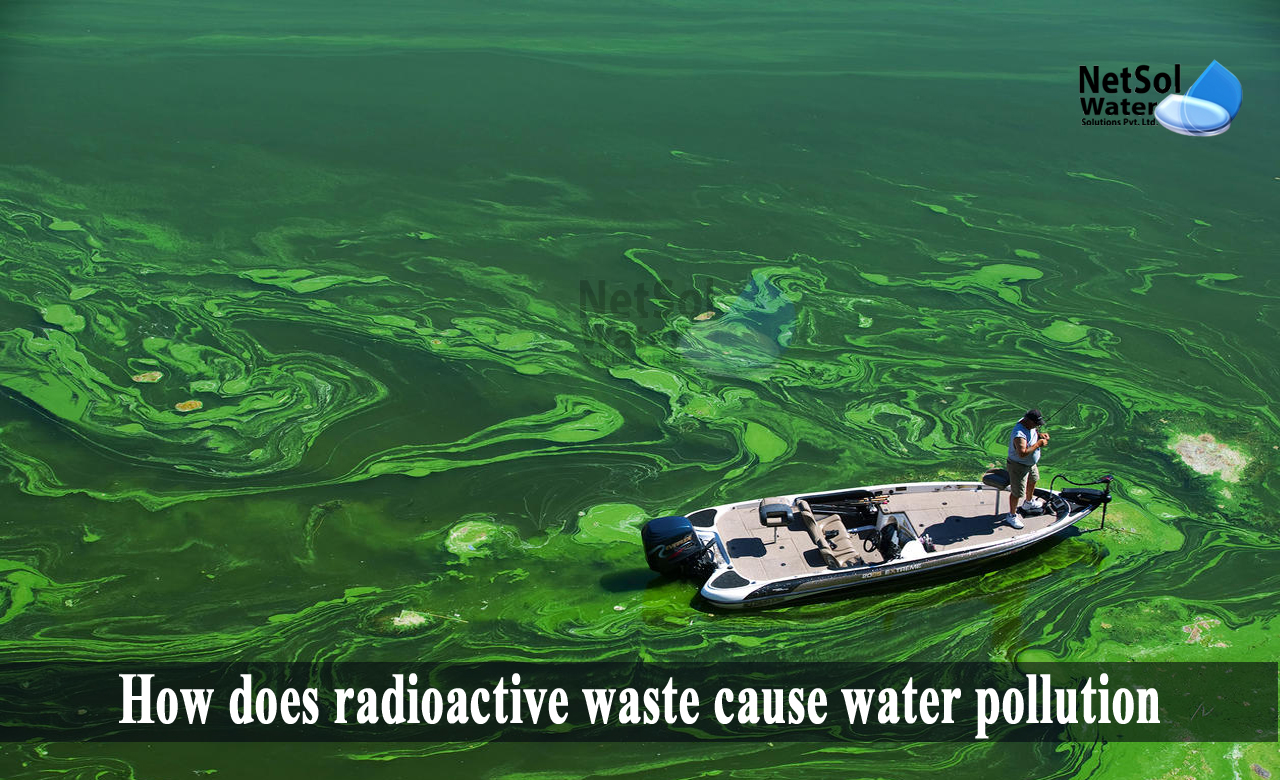
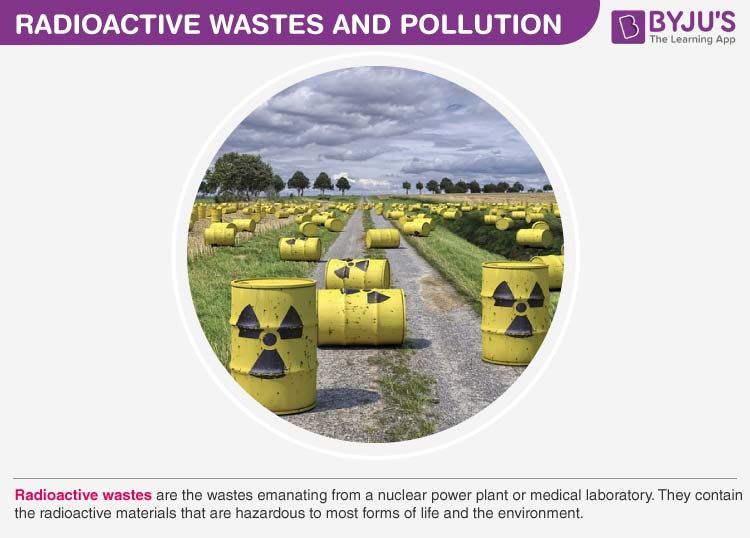
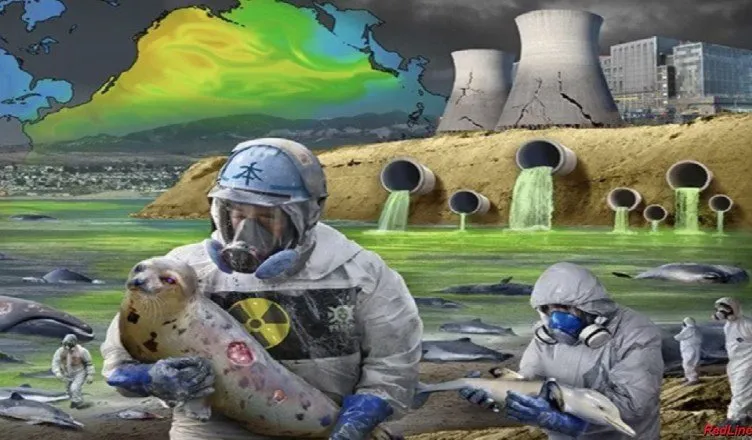
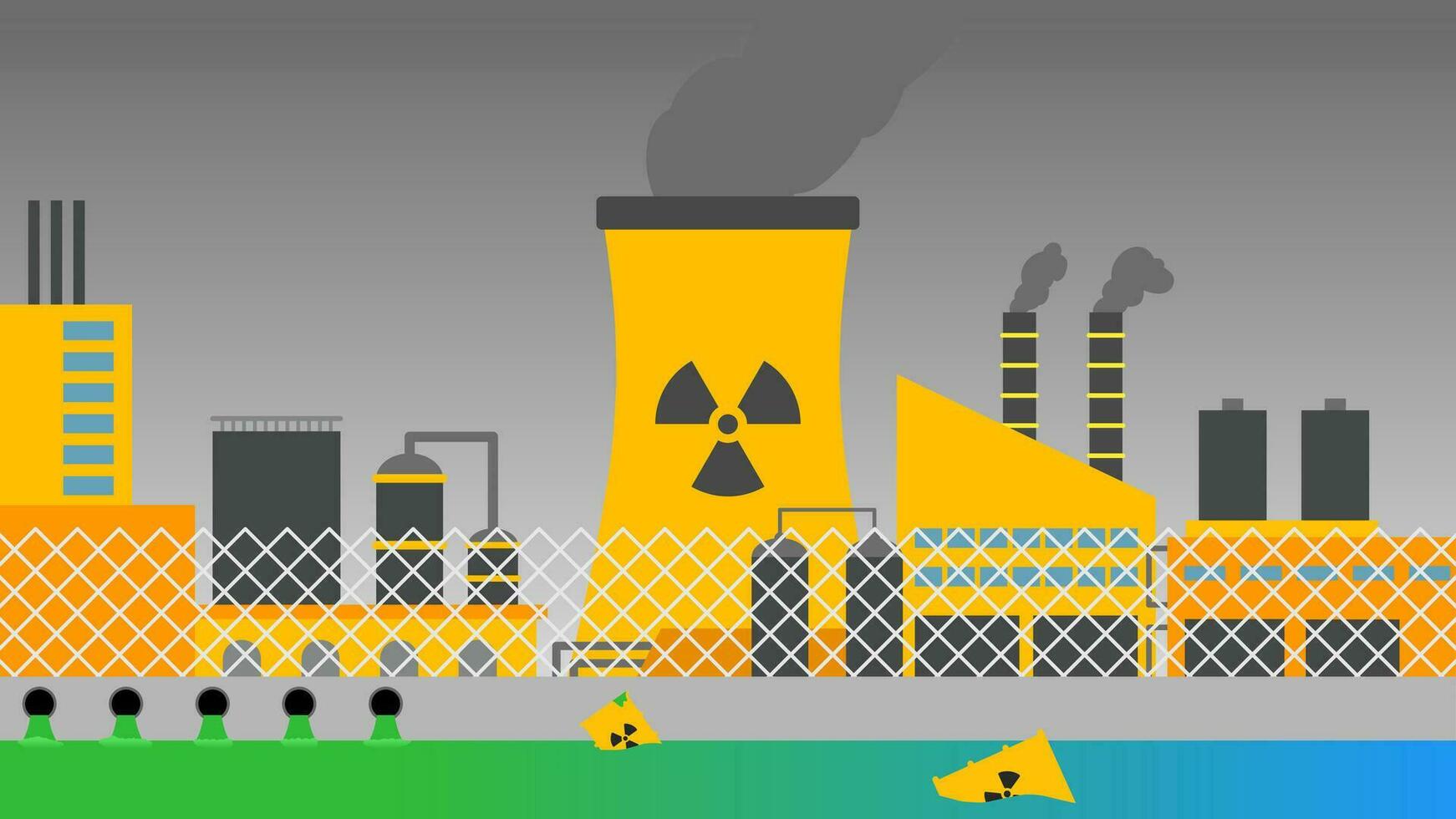
Now, let's address the big question: what about the environment? That's where the "waste" part becomes important. Radioactive waste can be harmful if it contaminates the environment. Depending on the type of radioactive material, it can remain dangerous for anywhere from a few days to thousands of years. That's why safe and long-term storage is absolutely essential. Geologic repositories, deep underground facilities, are one of the leading strategies being explored for final disposal. These sites are carefully chosen and designed to prevent any radioactive material from leaking into the environment for millennia.
Want to explore this topic further? Start by learning about the different types of radiation: alpha, beta, and gamma. Each has different properties and levels of danger. You could also research how different countries manage their radioactive waste. It's a global challenge, and there are many different approaches being taken. You can even explore simulations online that demonstrate how radiation decays over time! Remember, understanding radioactive waste isn't about fear; it's about knowledge and responsible stewardship of our planet. By learning more, we can contribute to informed discussions and help ensure a safer future.