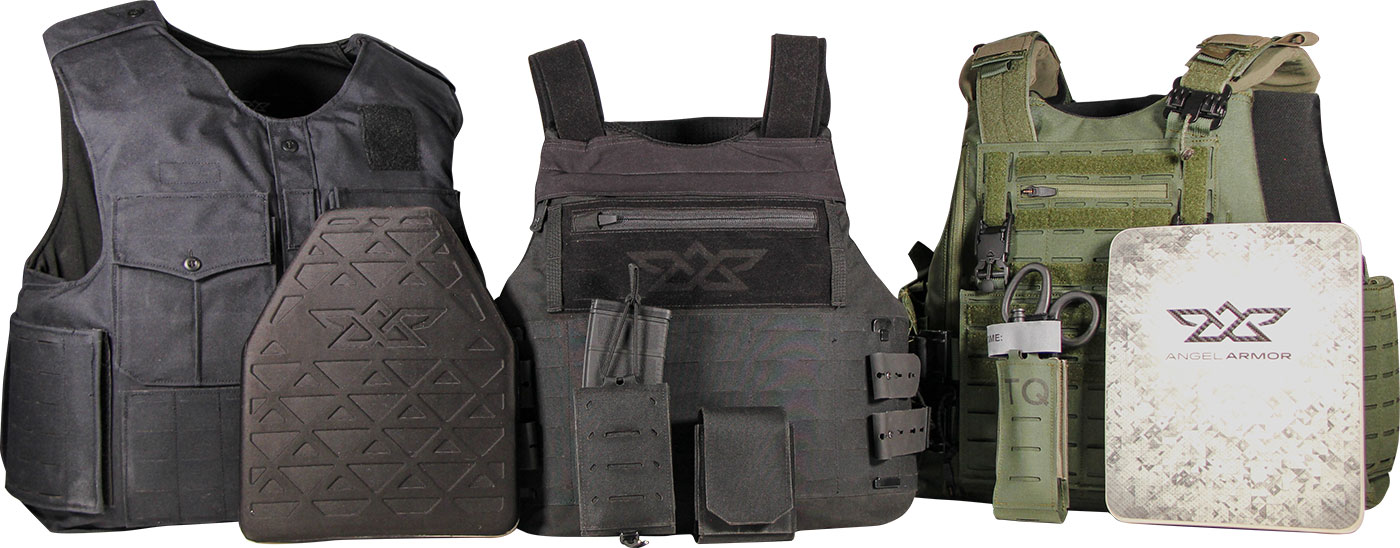
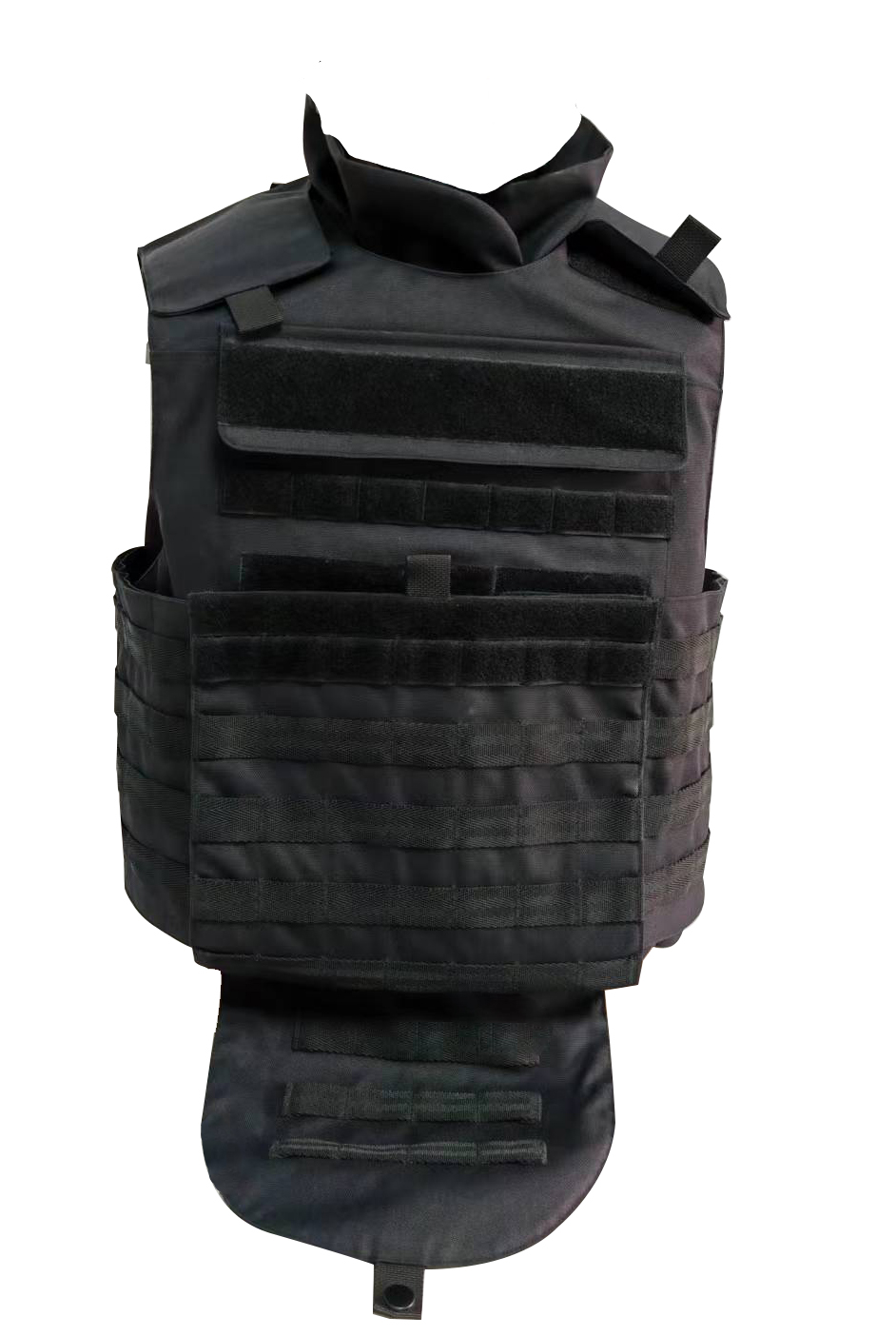
Protection For The People Body Armor
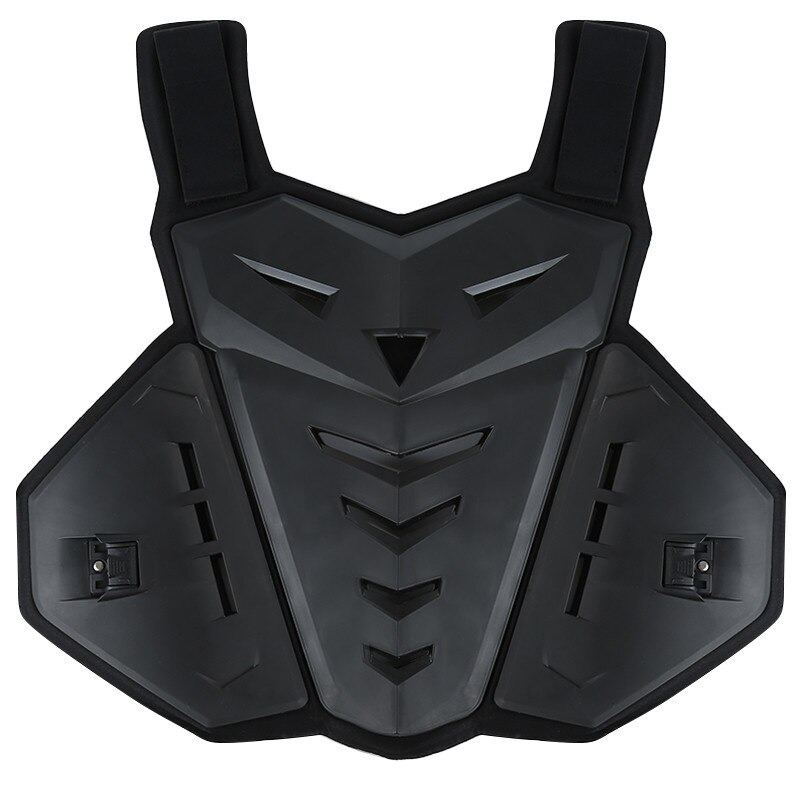
Ever wondered what keeps the superheroes (and, more realistically, everyday heroes) safe? We often see images of police officers or soldiers wearing vests, but have you ever stopped to think about what those vests actually do, or how they work? Let's dive into the fascinating world of body armor, also known as personal protective equipment or PPE, a topic that's more relevant than you might think.
At its core, body armor is designed to protect the wearer from physical threats. Its primary purpose is to absorb and disperse the impact from bullets, knives, or other projectiles, significantly reducing the risk of serious injury or death. Think of it like a super-tough shield you wear! The benefits are obvious: increased safety, a greater chance of survival in dangerous situations, and the peace of mind that comes with knowing you have an extra layer of protection.
While we often associate body armor with law enforcement and military personnel, its applications extend far beyond those fields. For example, in education, some schools are exploring the use of ballistic blankets during active shooter drills or even equipping security staff with concealed body armor. While controversial, these measures highlight the growing awareness of the need for protection in unexpected places. In daily life, professionals who work in potentially risky environments, such as security guards, private investigators, or even armored car drivers, routinely wear body armor as part of their job. Delivery drivers in high-crime areas might also consider wearing discreet bulletproof vests for added safety. Think of it as a similar principle to wearing a seatbelt – a preventative measure that could save your life.
Must Read
The technology behind body armor is constantly evolving. Early versions were often heavy and cumbersome, but modern body armor utilizes lightweight and incredibly strong materials like Kevlar and advanced composite fabrics. These materials are designed to absorb and dissipate the energy of an impact, preventing the projectile from penetrating the vest. Different levels of protection exist, tailored to specific threats. For example, some vests are designed to stop handgun rounds, while others are capable of stopping high-powered rifle rounds. It's a fascinating blend of materials science and engineering!
So, how can you explore this topic further? A simple starting point is to research the different types of body armor and the levels of protection they offer. Online resources, such as government agencies' websites and reputable safety equipment retailers, can provide valuable information. You could also look into the history of body armor – from ancient chainmail to modern high-tech vests. It’s a journey through ingenuity and the ongoing quest to protect ourselves. While you likely won't be purchasing body armor for everyday use, understanding its purpose and applications can provide a valuable perspective on personal safety and the technologies that are designed to keep us safe.