Ever watched a mighty river flow or the ocean waves crash with incredible power? It's pretty amazing, right? Water is a force of nature, and for ages, we've been trying to harness that incredible energy. Imagine turning that flow into electricity for your home! It's a pretty neat trick, and there's a lot to love, and a few things to think about, when it comes to water energy. Let's dive in!
The Splashy Pros: Why Water Energy is So Cool
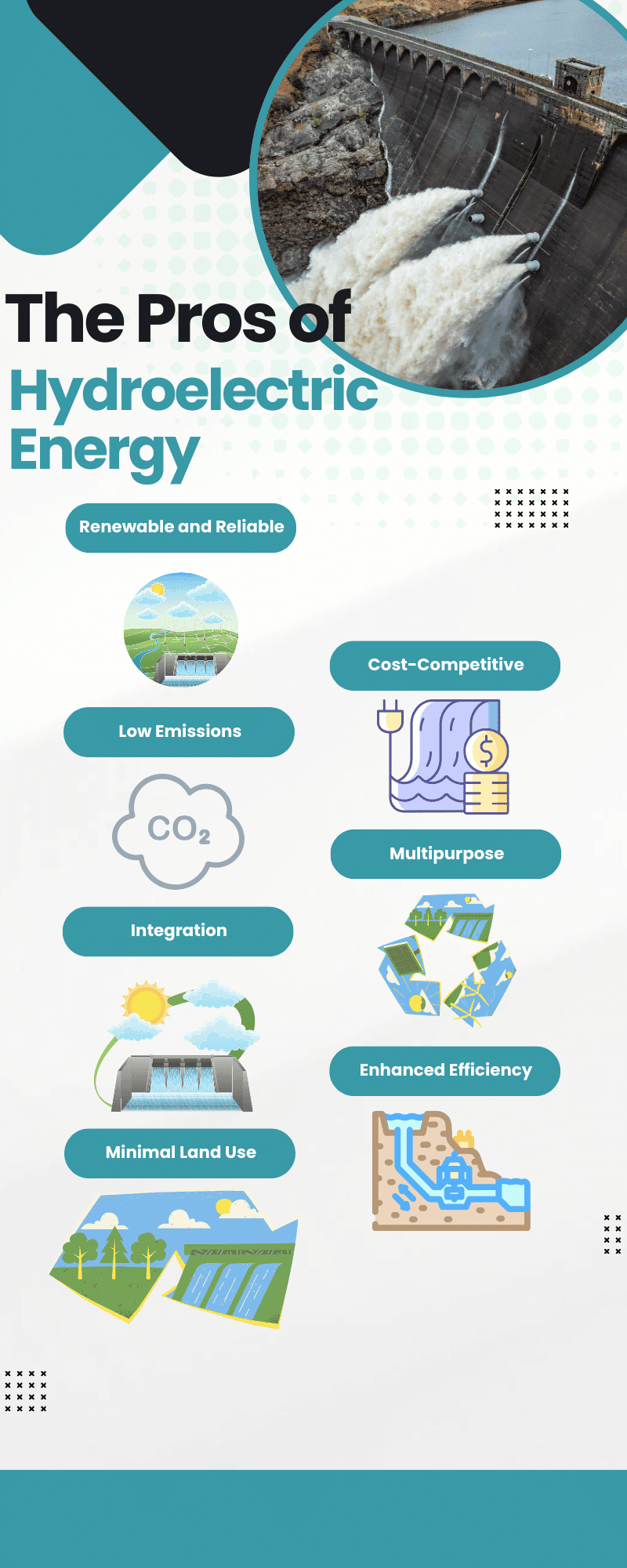
First off, one of the biggest cheers for water energy is that it's renewable. What does that mean? It means water keeps coming back! Rain fills rivers, tides roll in and out, waves keep on crashing. Unlike burning fossil fuels, which run out eventually, the water cycle is like nature's own endless power plant. We're not using it up; we're just borrowing its motion for a bit.
Then there's the incredibly important fact that it's clean energy. When water spins a turbine, it doesn't create any pollution in the air. No smoky chimneys, no harmful gases. This is a huge win for our planet, helping us breathe easier and fight against climate change. Imagine powering your whole town without adding any nasty stuff to the atmosphere – that's the dream of hydropower and its watery cousins!
Another fantastic thing about water energy, especially hydropower from dams, is its reliability. Rivers usually flow at a pretty steady rate, and scientists can predict tides with great accuracy. This makes it a dependable source of electricity, unlike, say, solar power which stops at night, or wind power which needs, well, wind! Dams can even store water in huge reservoirs, acting like a giant battery. When demand for electricity goes up, they can release more water and generate more power in an instant. It’s like having an energy tap you can turn on and off.
Water energy truly is a marvel: clean, renewable, and often incredibly reliable. It's nature's own electricity generator, tirelessly working to light up our lives.
The Advantages And Disadvantages Of Hydroelectric Energy
The Tricky Tides: What to Consider
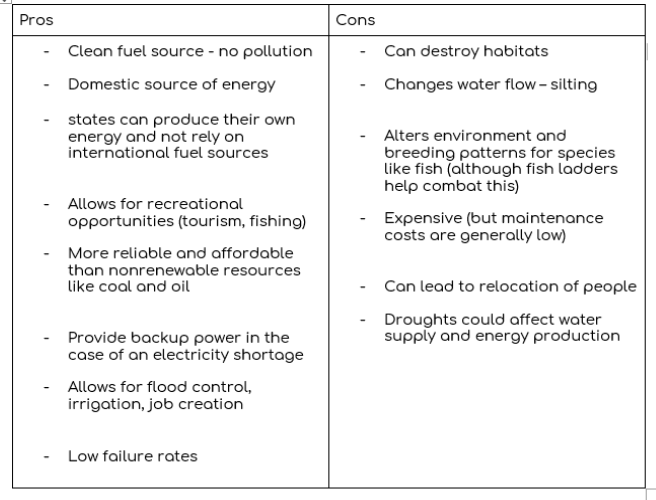
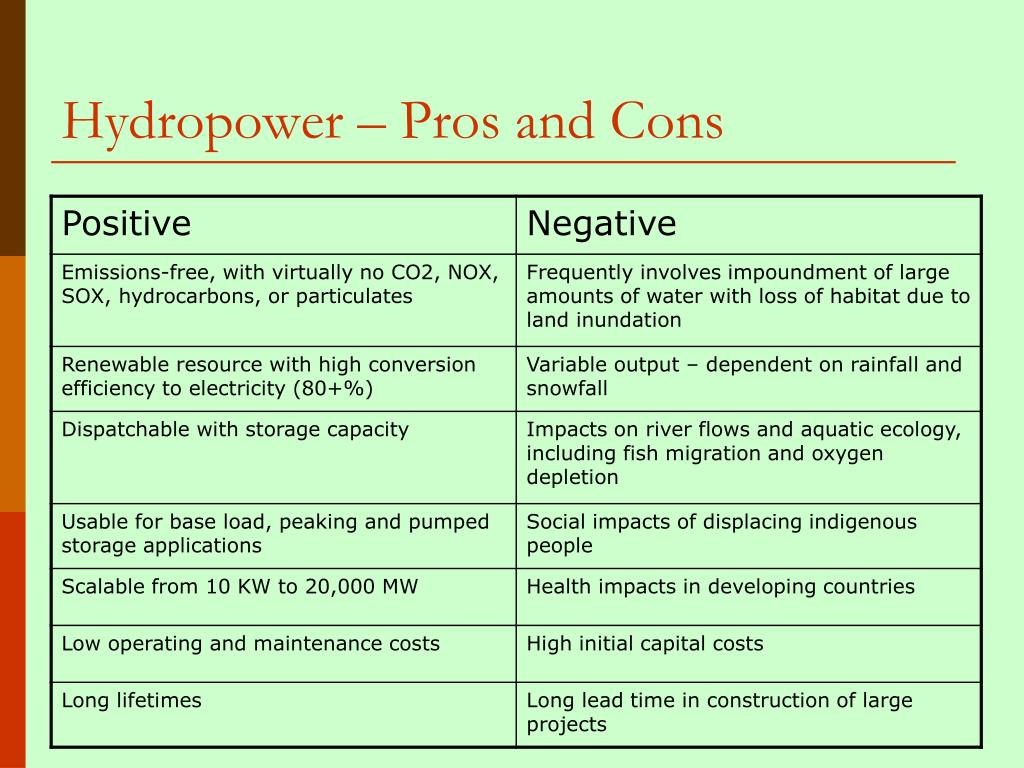
Of course, no energy source is without its challenges, and water energy has a few ripples of its own. One of the biggest concerns, especially with large dams built for hydropower, is the environmental impact. Building a massive dam changes the landscape dramatically. It floods huge areas, creating reservoirs, which can displace communities and wildlife. Fish migrations can be disrupted, as their ancient routes up and down rivers are suddenly blocked. It's a big alteration to nature's design, and we have to be really thoughtful about where and how we build these projects.
Another hurdle is the cost. Building a big dam or a sophisticated tidal power plant isn't cheap. These are huge engineering feats that require massive upfront investment. While the fuel (water) is free, the infrastructure to harness it is incredibly expensive to construct and maintain. This high initial cost can make it difficult for some regions to adopt water energy, even if it's a great long-term solution.
What Are The Pros and Cons of Hydroelectric Power?
Finally, water energy is very location-specific. You can't just build a hydropower plant anywhere; you need a river with a good drop or a strong flow. For tidal power, you need a coast with significant tides. This means not every country or region can benefit from it, limiting its widespread adoption compared to, say, solar panels which can go on almost any roof. Also, if there's a severe drought, river levels can drop, reducing the amount of power a hydro plant can generate. It still relies on nature's cooperation!
So, there you have it! Water energy is a fascinating powerhouse, offering clean, dependable electricity from a renewable source. It's truly amazing to think we can use the simple flow of a river or the predictable ebb and flow of the ocean to light our homes. While it comes with big questions about environmental changes and cost, the potential for a cleaner, greener future powered by water is undeniably exciting. Isn't it time to get curious about how water can power our world?