Pros And Cons Of Tidal Power
Ever find yourself staring out at the ocean, mesmerized by its endless ebb and flow? That rhythmic movement isn't just a calming sight; it holds a tremendous amount of untapped energy. We're talking about tidal power – harnessing the very breath of the sea to light up our lives. Sounds like sci-fi, right? But it's very real, and like all cool tech, it comes with awesome perks and tricky challenges.
Riding the Wave: What Exactly Is Tidal Power?
Imagine the moon, with its invisible but mighty gravitational pull, constantly tugging at our oceans. This celestial dance creates the tides we observe daily. Tidal power captures this natural, predictable motion, using it to spin underwater turbines and generate electricity. Think of it like a giant hydropower plant, but powered by the ocean's rise and fall. Pretty ingenious!
The High Tide of Benefits: Why We Love It
Let's dive into why tidal power is making significant waves in the renewable energy scene:
Must Read
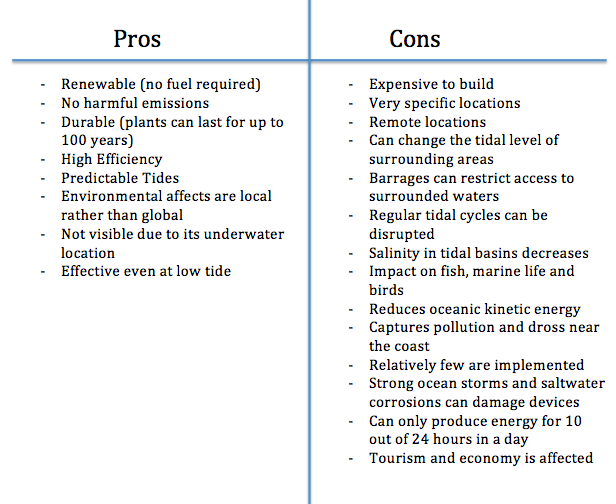
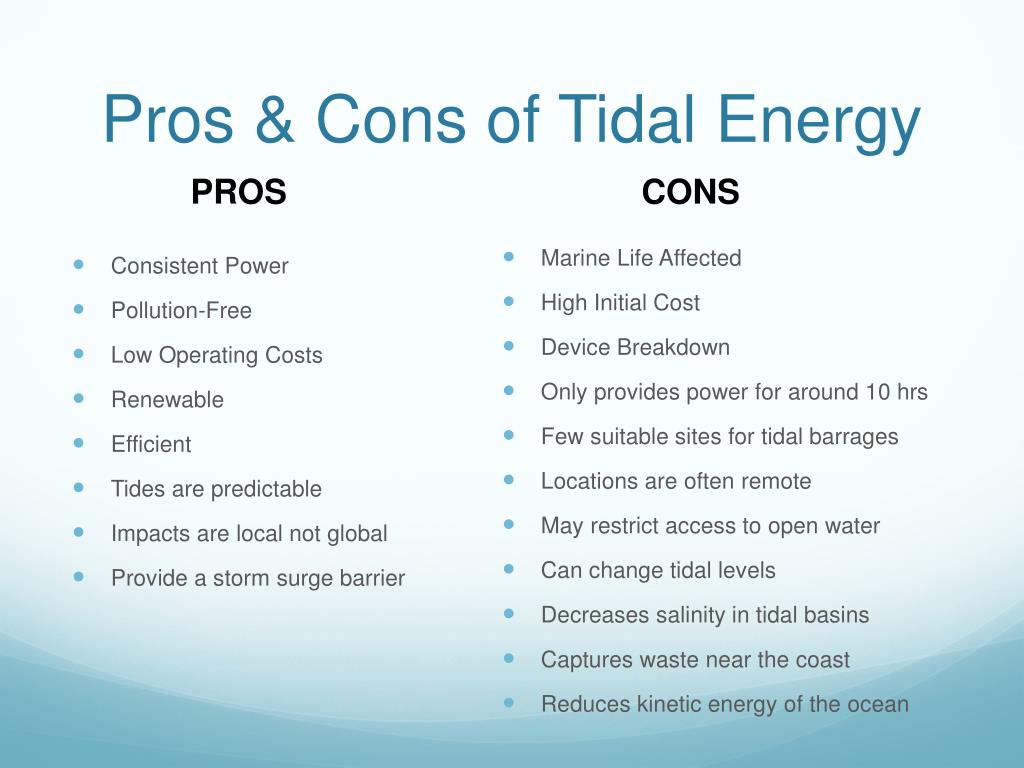
First up, predictability is its superpower. Unlike solar panels that nap at night or wind turbines needing a breeze, tides are as reliable as moonrise! We know exactly when high tide will roll in and recede, years in advance. This makes planning energy grids much easier and more stable. No sudden "oops, no power!" moments. It’s like having a perfectly scheduled, never-late delivery for electricity.
Then there's the fact that it’s truly renewable and virtually inexhaustible. As long as the moon orbits Earth, we'll have tides. We’re talking about an energy source that won't run out for billions of years – a truly long-term solution. Ancient mariners relied on tides; now we can rely on them for power!
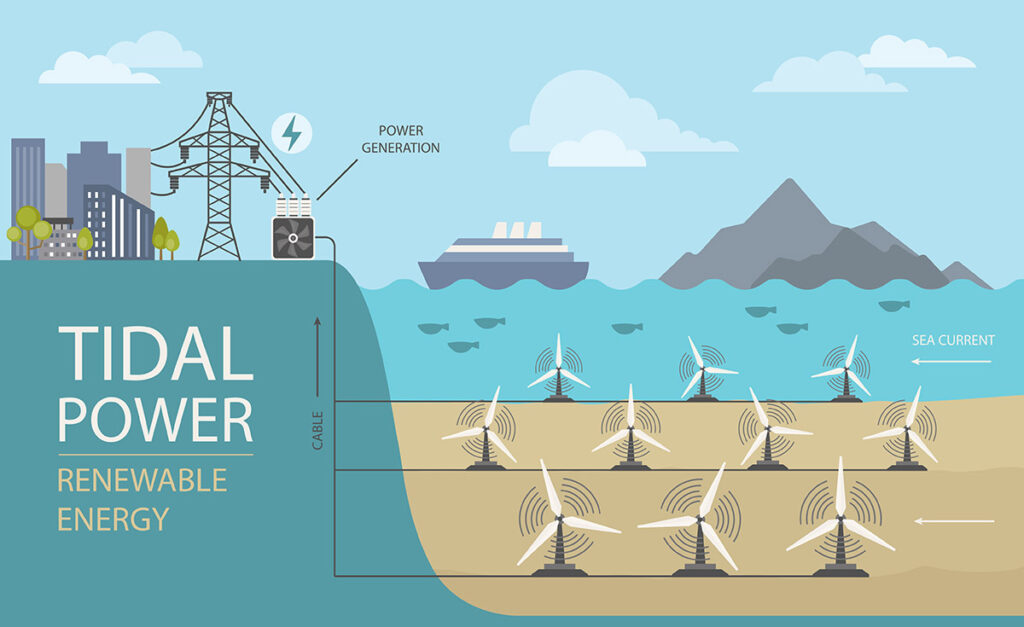
And let's not forget the clean factor. Once constructed, tidal power plants generate electricity without burning fossil fuels, meaning zero greenhouse gas emissions. You’re literally charging your phone with pure ocean energy, leaving a minimal carbon footprint. How cool is that? It’s like getting the ocean's approval to binge-watch guilt-free.
Another significant bonus? Tidal energy is incredibly power-dense. Water is much heavier and denser than air, so even relatively slow-moving tides carry a tremendous amount of kinetic energy. This means tidal turbines can generate substantial power in a comparatively smaller physical footprint than wind farms or solar arrays.
When the Tide Goes Out: The Downsides We Can't Ignore
Okay, so it's not all smooth sailing. Tidal power does have some choppy waters to navigate:
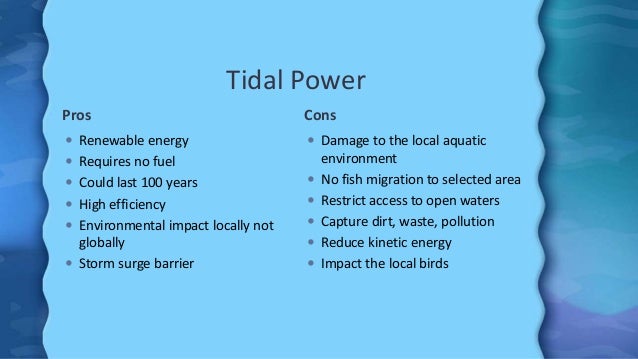
The biggest hurdle? The colossal upfront cost and engineering complexity. Building these massive structures – barrages or sophisticated underwater turbines – in the harsh, corrosive marine environment is incredibly expensive, time-consuming, and technologically demanding. We're talking billions of dollars for a single major project. It’s less of a weekend DIY and more of a national infrastructure marvel.
Then there's the delicate issue of environmental impact. While clean once operational, construction and the permanent presence of these structures can profoundly affect marine ecosystems. Barrages, for example, can alter natural tidal ranges, impact crucial fish migration routes (think finding Nemo!), and change sediment flow patterns. Turbines can also pose risks to marine life, though designs are constantly improving. It's a delicate balance, like reorganizing your living room without disturbing your sleeping cat.
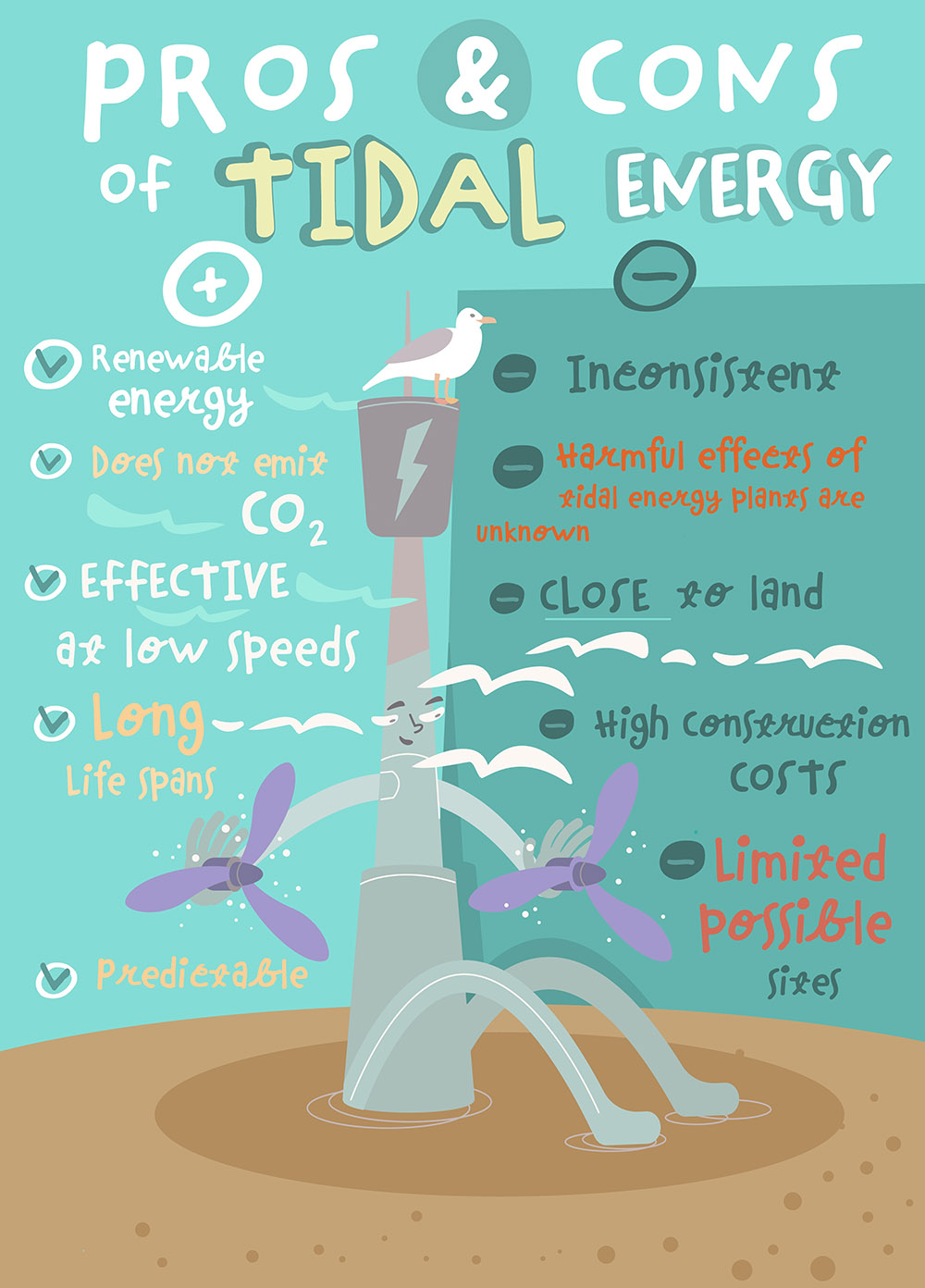
Another significant challenge is location, location, location. Tidal power isn't a viable option everywhere. You need a coastline with a substantial tidal range – a big difference between high and low tide. Places like Canada's Bay of Fundy (boasting the world's highest tides!) are perfect, but many coastal areas just don't have that advantage. It’s like needing a specific kind of rare grape to make a particular wine – not every vineyard can do it.
Finally, there's intermittency (in a unique way). While tides are predictable, tidal power generation slows down or stops entirely during "slack tide" when water isn't moving with enough force. So, it's not a constant, unwavering stream of energy, meaning we still need other power sources or storage to fill those inevitable gaps. It requires smart grid management.
Ripples in Our Daily Lives
So, what does all this talk about lunar pulls mean for us, perhaps lounging on our sofas, smart device in hand? It means recognizing that the energy powering our world is a complex tapestry woven from many diverse threads. Tidal power, with its awe-inspiring potential and formidable challenges, is just one intriguing strand. Understanding these pros and cons helps us appreciate the immense innovation (and the occasional headaches!) involved in building a truly sustainable future. Every time you see the ocean's tireless rhythm, remember the invisible, mighty power it holds – a subtle yet profound reminder that even the biggest challenges can be tackled with clever thinking, persistent effort, and a little human ingenuity.