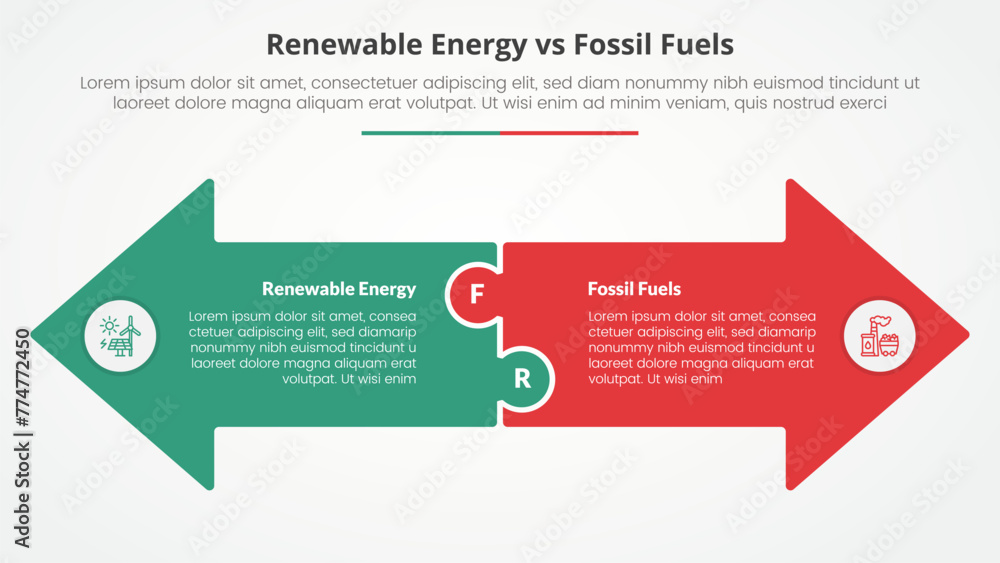
Pros And Cons Of Non Renewable Energy Sources
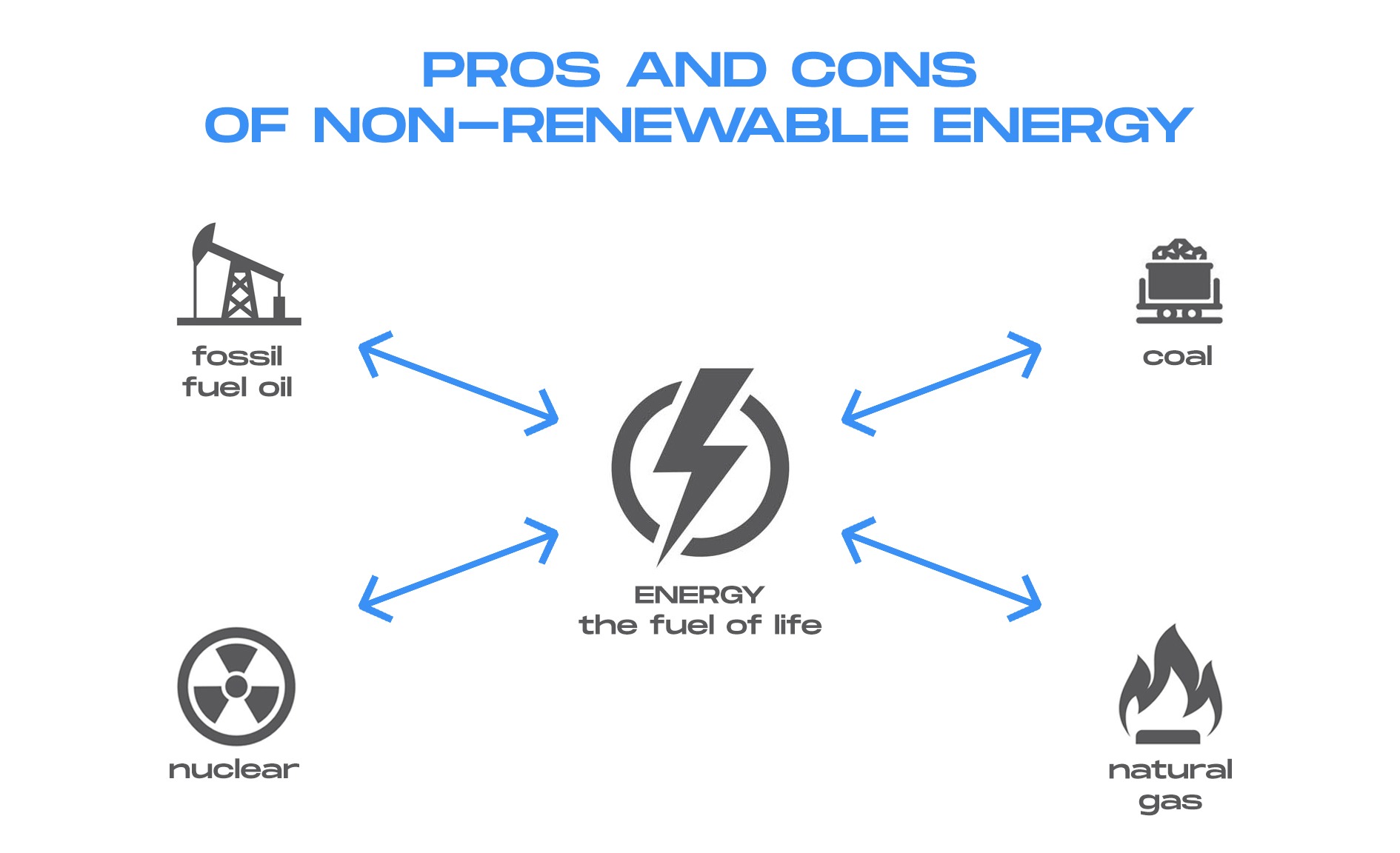
Alright, let's talk about something that keeps the lights on, the cars running, and your phone charged – non-renewable energy! We're talking about the usual suspects: coal, oil, natural gas, and the slightly intimidating nuclear energy. You might be thinking, "Ugh, another boring science lesson?" But hold on! We're going to look at this from a fresh, fun perspective. Think of it as understanding the quirks of your eccentric, slightly problematic, but ultimately useful, family members.
The "Good" Side of the Family Reunion
Let's start with the pros, or as I like to call them, the reasons why we haven't kicked these energy sources out of the house yet.
They're Reliable (Like That One Aunt Who Always Brings the Good Snacks): Non-renewable sources are, for the most part, reliable. They're there when you need them. Unlike solar panels that need sunshine or wind turbines that need, well, wind, coal plants and gas turbines can chug along pretty consistently. They're the dependable workhorses of the energy world. Imagine trying to bake a cake with a solar oven on a cloudy day! You need that steady gas flame.
Must Read
They're Powerful (Like Your Uncle Who Can Lift Anything): These sources pack a serious punch. A small amount of fuel can generate a whole lot of energy. Think about it: a single gallon of gasoline can power your car for miles. That’s a lot of potential energy crammed into a little container. This high energy density makes them practical for things like long-distance travel and powering large industries.
They're Established (Like Grandma's Old Recipes): We've been using these resources for ages. We know how to extract them, process them, and turn them into electricity. The infrastructure is already in place – pipelines, power plants, refineries. It's like having a well-worn recipe that you know works every time (even if it's not the healthiest!). It's a known quantity, and that makes things easier, at least in the short term.

Relatively Cheap (Like That Secondhand Car You Bought): Okay, “cheap” is relative these days, but compared to some renewable energy sources, non-renewables are often (though not always!) more affordable. This is a big deal, especially for developing countries that need to provide affordable energy to their growing populations. Every dollar counts, and sometimes the cheaper option wins, even if it comes with a few extra quirks.
The "Not-So-Good" Side of the Family Reunion
Now, for the cons, or the reasons why we might want to consider gently nudging these energy sources toward retirement.
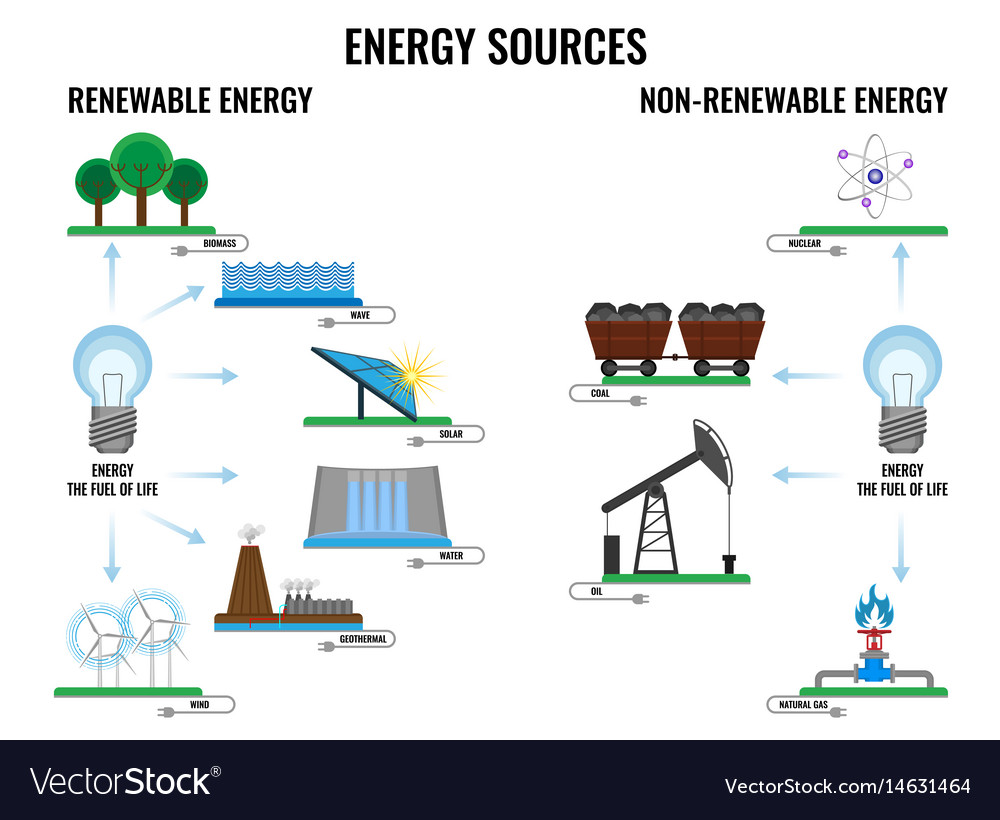
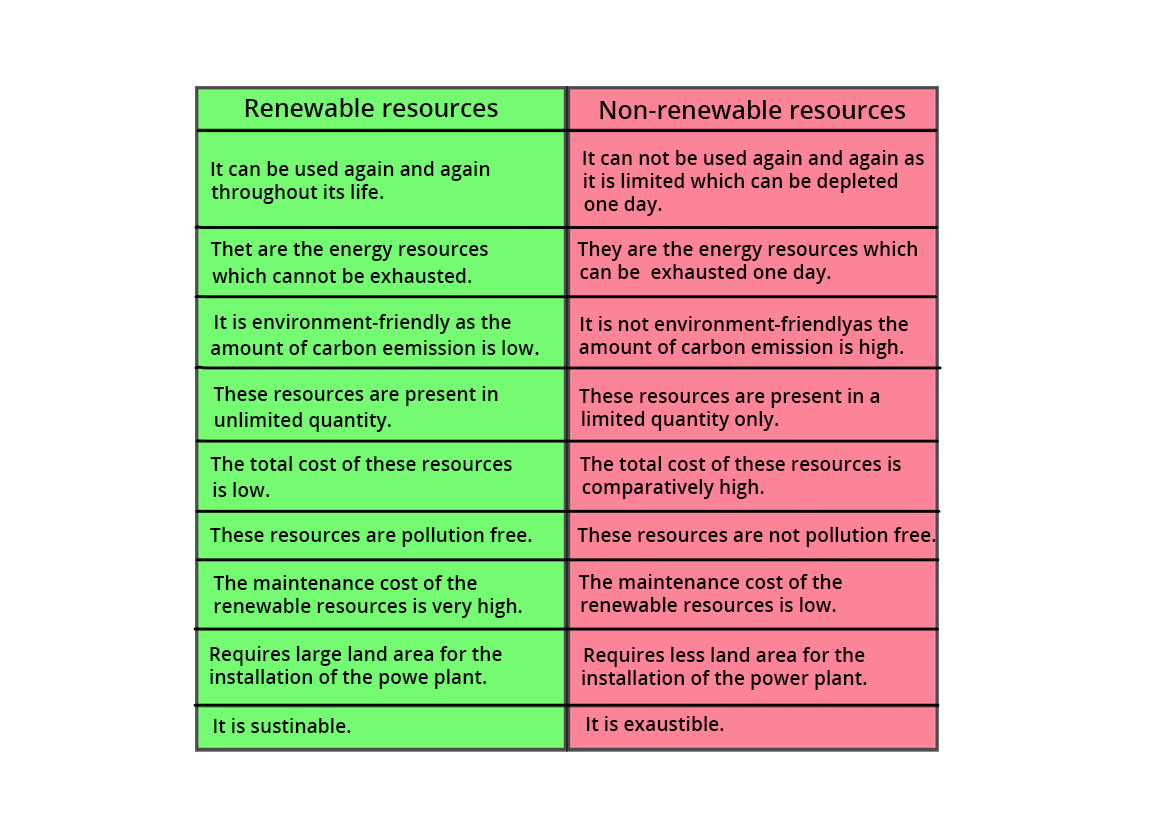
They Run Out (Like Your Favorite Ice Cream Flavor at the Store): This is the big one. The clue's in the name: non-renewable. Once we use them up, they're gone. Forever. Coal takes millions of years to form, oil is a finite resource, and uranium, while plentiful, isn't infinite. Imagine trying to explain to future generations that we burned through all the dinosaur juice. Awkward!
They're Messy (Like Your Toddler After Mealtime): Let's be honest, burning fossil fuels is like having a very messy roommate. It releases greenhouse gases that contribute to climate change, pollutes the air we breathe, and can contaminate water sources. From oil spills to smoggy cities, the environmental consequences can be pretty dire. It's like throwing a giant trash bag out the window every day – eventually, it catches up with you.
They Can Be Dangerous (Like That Old Wobbly Ladder in the Garage): Mining coal, drilling for oil, and operating nuclear power plants can be risky business. Accidents happen. Think of oil rig explosions, mine collapses, and the devastating consequences of nuclear meltdowns. While safety measures are constantly improving, the potential for disaster is always there. It's a constant reminder of the power – and the danger – of these energy sources.
They Cause Tension (Like Politics at Thanksgiving Dinner): Access to and control over fossil fuels has been a source of conflict and political instability throughout history. Wars have been fought over oil, and countries can become heavily reliant on imports from other nations, creating economic and political vulnerabilities. It's like having a family feud over who gets to use the good silverware.
The Takeaway?
Non-renewable energy sources have been incredibly important in powering our world, and they still play a significant role. But they're not without their drawbacks. It's like having a beloved but slightly grumpy and problematic family member – you appreciate their contributions, but you also recognize the need for some healthier habits and perhaps a little therapy (in this case, a transition to more sustainable energy sources). Ultimately, we need to weigh the pros and cons and find a way to use these resources responsibly while investing in a cleaner, more sustainable energy future. Think of it as building a bigger, more inclusive family reunion where everyone gets along – and there's plenty of renewable pie to go around!