
Pros And Cons Of Natural Gas As An Energy Source

Natural gas! It's that stuff that heats our homes and cooks our food. But is it a superhero or a sneaky villain when it comes to our planet?
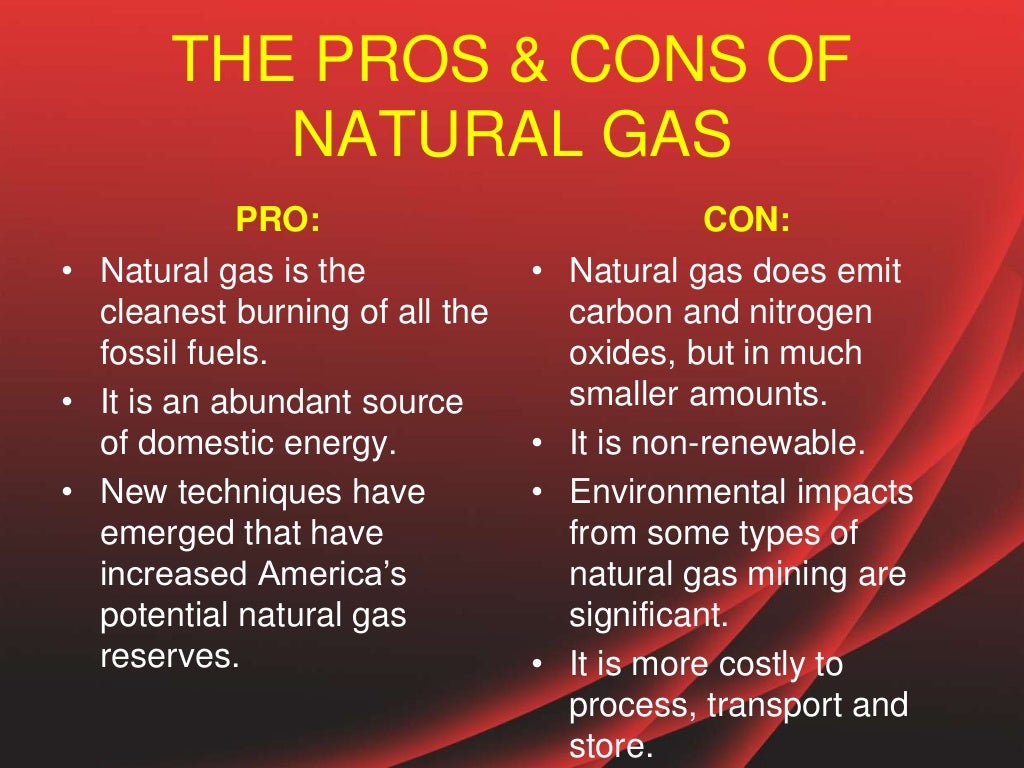
The Sunny Side of Natural Gas
A Cleaner-ish Fuel
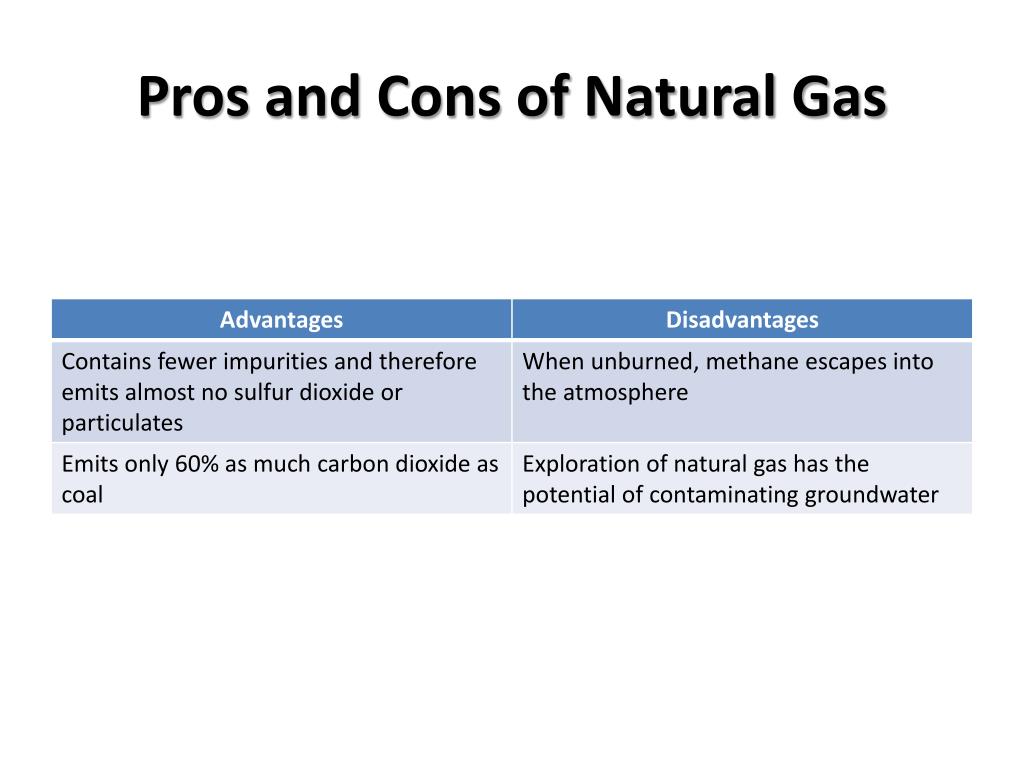
Compared to coal, natural gas is like the environmentally conscious cousin. It emits fewer greenhouse gases when burned. That means less pollution in the air we breathe. Win-win!
It's cleaner than coal or oil. Think of it as taking baby steps toward a greener future.
Must Read
Abundance is its Middle Name
We've got a lot of natural gas. Like, a lot. New technologies have made it easier to extract. So, it’s not going away anytime soon!
This abundance helps keep energy prices relatively stable. That's good news for our wallets!
Powering Up is Super Speedy
Need electricity? Natural gas power plants can fire up quickly. They’re ready to roll when other sources, like solar or wind, take a break.
Think of it as a reliable backup dancer, always ready to jump in!
Versatility is its Game
Natural gas isn't just for heating and electricity. It's a jack-of-all-trades. It’s used to make plastics, fertilizers, and even clothing.
Talk about a multi-talented performer!
Creating Jobs and Boosting Economies
The natural gas industry provides tons of jobs. From drilling to transportation, it's a big employer.
It injects money into local communities, fueling economic growth.
The Not-So-Sunny Side of Natural Gas
Methane: The Sneaky Greenhouse Gas
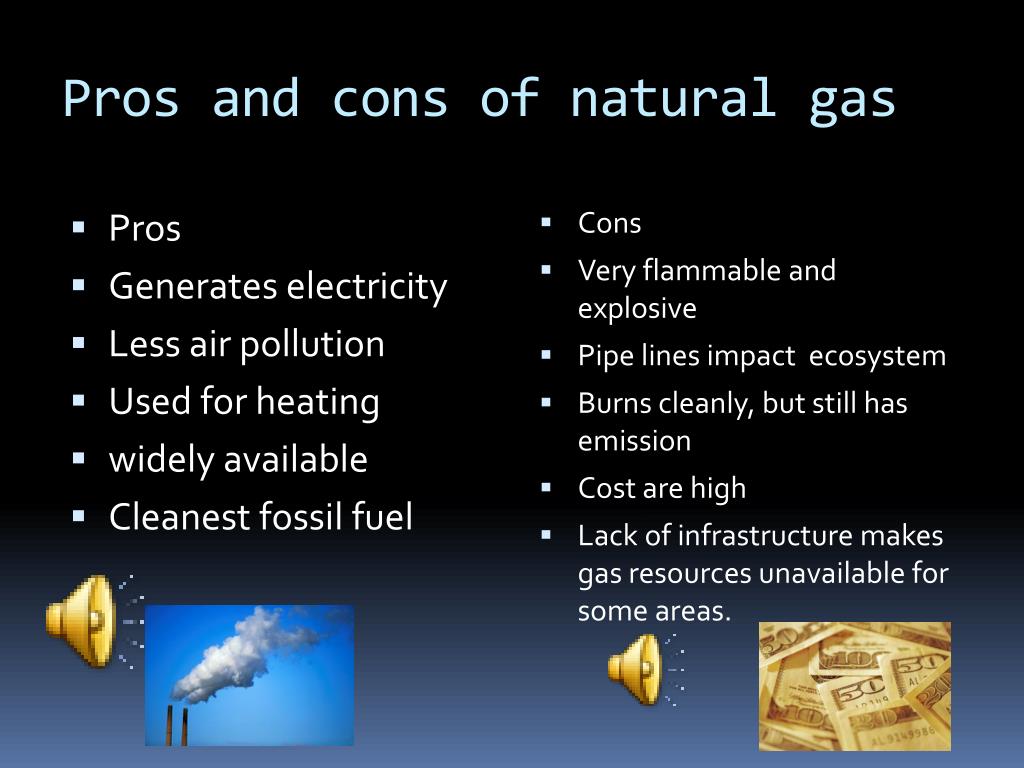
While burning natural gas is cleaner than burning coal, there's a catch. Methane, the main component of natural gas, is a potent greenhouse gas.
Even small leaks during extraction and transportation can have a big impact. It is significantly impact to climate.
Fracking: The Controversial Extraction Method
A lot of natural gas is extracted through fracking, or hydraulic fracturing. This involves injecting high-pressure fluids into the ground.
Some worry about its potential to contaminate groundwater. It can also cause earthquakes. Uh oh!
Non-Renewable Resource: Limited Supply
Despite its abundance, natural gas is still a fossil fuel. That means it's a finite resource. Eventually, we'll run out.
We need to think about sustainable alternatives for the long haul.
Infrastructure: Expensive and Tricky
Getting natural gas from point A to point B requires pipelines. Building and maintaining these pipelines is expensive.
Plus, leaks can happen, posing safety and environmental risks.
Dependence: Stuck in the Past?
Relying too heavily on natural gas might slow down the transition to renewable energy. Are we kicking the can down the road?
We need to keep pushing for cleaner, more sustainable options.
The Verdict: A Mixed Bag
So, is natural gas good or bad? It’s complicated. It's a cleaner alternative to coal, and it's readily available.
But, it also contributes to climate change, and its extraction can have negative environmental impacts.
Here's a table summarizing the pros and cons:
Pros
- Cleaner than coal
- Abundant supply
- Quick power generation
- Versatile uses
- Job creation
Cons
- Methane emissions
- Fracking concerns
- Non-renewable
- Expensive infrastructure
- Dependence can hinder renewable energy transition
Natural Gas: A Bridge to the Future?
Many see natural gas as a bridge fuel. It helps us transition from dirtier fossil fuels to renewable energy sources.
While we develop and deploy cleaner technologies. But it’s crucial to minimize its negative impacts. Minimizing the negative impacts is crucial.
We need to focus on reducing methane leaks and investing in renewable energy. Investing in renewable energy is equally important.
Natural Gas Beyond the Burner: Its Many Uses
Beyond the familiar flame of your stove, natural gas plays a surprisingly diverse role in our world.

It's not just a fuel; it's a foundational ingredient in many things we use every day.
The Plastic Fantastic Connection
Did you know your plastic phone case, your water bottle, and even some of your clothes might owe their existence to natural gas?
Natural gas is a key component in the production of many plastics. It provides the building blocks for these versatile materials.
Fertilizers: Feeding the World
Agriculture relies heavily on fertilizers to boost crop yields. And guess what? Natural gas is a crucial ingredient in the production of many fertilizers.
It's converted into ammonia, which is then used to create fertilizers that help feed the world.
Clothing: Beyond Cotton and Wool
Many synthetic fabrics, like polyester and nylon, are derived from petrochemicals. And petrochemicals? You guessed it – they come from natural gas.
So, that comfy fleece jacket or those stretchy leggings might have started their journey as natural gas.
The Hydrogen Hope
Hydrogen is often touted as a clean energy carrier of the future. And one way to produce hydrogen is from natural gas.
While this process isn't entirely carbon-free, it can be coupled with carbon capture technology. Carbon capture reduces its environmental impact.
The Natural Gas Dance: Balancing Benefits and Risks
Natural gas presents a complex dance between its benefits and its risks. It offers a relatively cleaner energy source compared to coal.
However, it also poses environmental challenges through methane emissions and extraction methods like fracking.
Finding the right balance is key to harnessing its potential while mitigating its drawbacks.
What's Next for Natural Gas?
The future of natural gas is uncertain, but it will likely play a significant role in the energy landscape for years to come.
Innovations in carbon capture technology and methane leak detection could help reduce its environmental impact.
As renewable energy sources become more affordable and reliable, the role of natural gas may gradually shift towards providing backup power and feedstock for other industries.
Final Thoughts: Stay Curious and Informed!
Natural gas is a fascinating and complex energy source. There are many things to consider.
It’s important to stay curious, informed, and engaged in the conversation about energy and the environment.
After all, the future of our planet depends on making informed choices!