
Pros And Cons Of Building A Dam
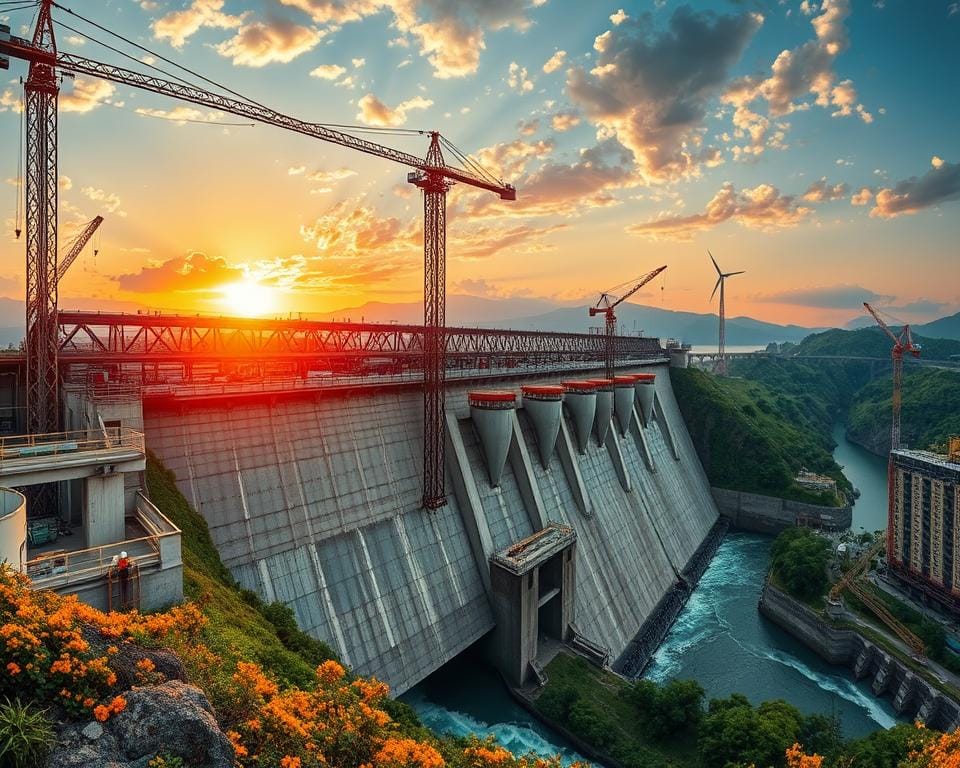
The Big Splash: Unpacking the Dam Debate!
Imagine a towering wall of concrete or earth, holding back an entire river, creating a serene lake on one side and a controlled trickle on the other. That, my friends, is a dam! These colossal structures have been part of human ingenuity for centuries, from ancient Roman aqueducts to modern engineering marvels. But what's the real story behind these liquid giants? Let's dive into the pros and cons, with a splash of fun!
The Sunny Side of Dams: What's So Great About Them?
First up, let's talk about the pure magic of turning water into watts – that's hydropower! Dams are like giant natural batteries, using the force of falling water to spin turbines and generate electricity. This clean energy lights up our homes, powers our laptops for endless streaming, and even charges our phones for those all-important cat videos. It’s like magic, but with more science!
Then there's the incredibly important job of keeping us hydrated and our gardens green. Many dams create vast reservoirs that store precious drinking water for thirsty towns and cities. Think of them as colossal bathtubs for entire regions, ensuring we always have a fresh glass of water. They also provide irrigation for farms, helping those juicy tomatoes and crisp lettuces grow big and strong.
Must Read
Speaking of protection, dams are often the unsung heroes of flood control. When heavy rains turn a gentle river into a raging beast, dams step in like a superhero with a massive shield. They hold back the excess water, preventing it from swamping homes, businesses, and entire communities downstream. It's a heartwarming thought, knowing a dam might be saving someone's cherished photo albums right now.
And who can forget the fun? The reservoirs created by dams often become bustling hubs for recreation. Picture families splashing in the water, boats gliding across the surface, and anglers patiently waiting for a bite. These man-made lakes offer fantastic spots for swimming, fishing, kayaking, and even just enjoying a peaceful picnic with a stunning view. It’s an instant vacation spot, often right in your backyard!

"Dams transform wild rivers into useful lakes, giving us power, water, and play – truly a marvel!"
The Rainy Day Realities: The Not-So-Great Stuff
Now, every superhero has a weakness, and dams are no exception. One of the biggest concerns is the impact on nature's original inhabitants – the fish! Imagine being a salmon, born in a river, destined to swim upstream to spawn, only to find a colossal concrete wall blocking your way. It's a huge challenge for their incredible life journeys, sometimes even requiring fancy fish ladders or elevators.
Dams also dramatically change the natural flow of a river, both upstream and downstream. Upstream, the river valley gets flooded, turning forests and fields into a deep lake. Downstream, the river might flow much slower and with less water, changing the habitats for all sorts of plants and animals. It's like rearranging furniture in nature's living room, and not everyone appreciates the new layout.

Another tricky issue involves sediment. Rivers naturally carry sand, silt, and nutrients downstream, enriching floodplains and deltas. A dam, however, acts like a giant filter, trapping this valuable sediment behind its wall. This can starve the downstream areas of crucial nutrients, affecting soil fertility and even causing coastlines to erode. It's an invisible problem with big consequences.
Then there's the human element. Building a massive dam often means that entire communities living in the river valley have to pack up their lives and move. Imagine leaving your ancestral home, the place where generations of your family have lived, simply because a new lake is forming. It's a deeply emotional and challenging experience for many, highlighting the difficult choices we sometimes face for progress.
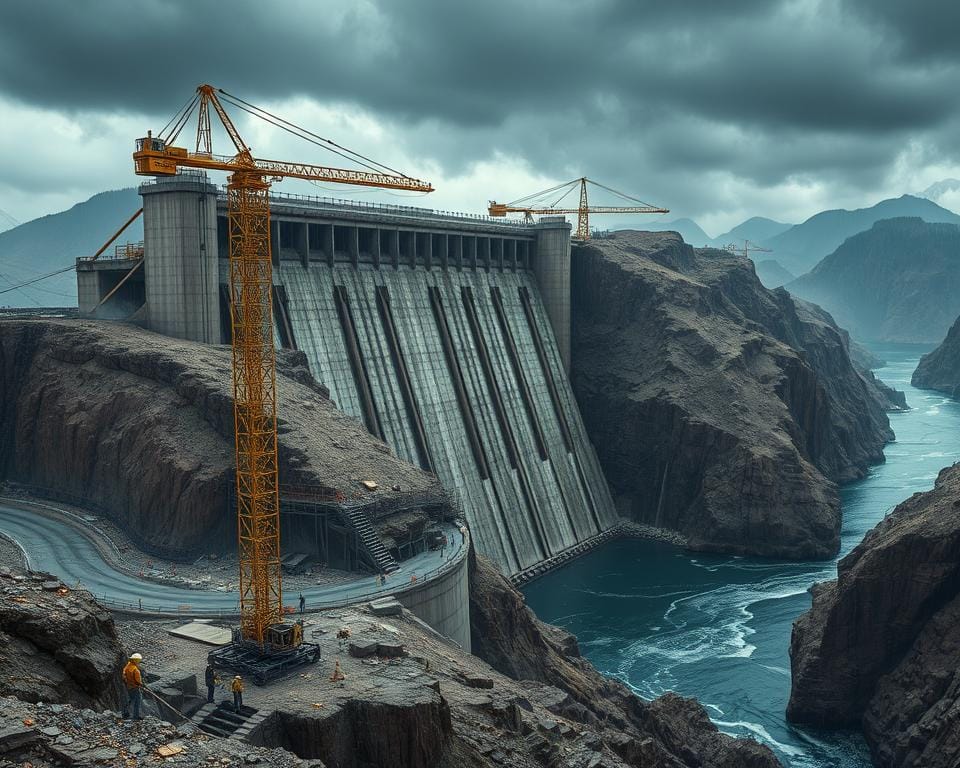
The sheer cost of building and maintaining a dam is also astronomical. These aren't just big projects; they are colossal undertakings, costing billions of dollars and requiring decades of planning and construction. And once built, they need constant monitoring and repairs to ensure they remain safe and functional. It's a huge investment, both financially and in terms of human effort.
Finally, while rare, there's always the concern of dam safety. A dam is a truly amazing structure, but holding back such immense pressure requires incredible engineering and constant vigilance. A dam failure, though uncommon due to stringent safety standards, can have catastrophic consequences for everything downstream. It's a serious reminder of the immense power these structures wield.
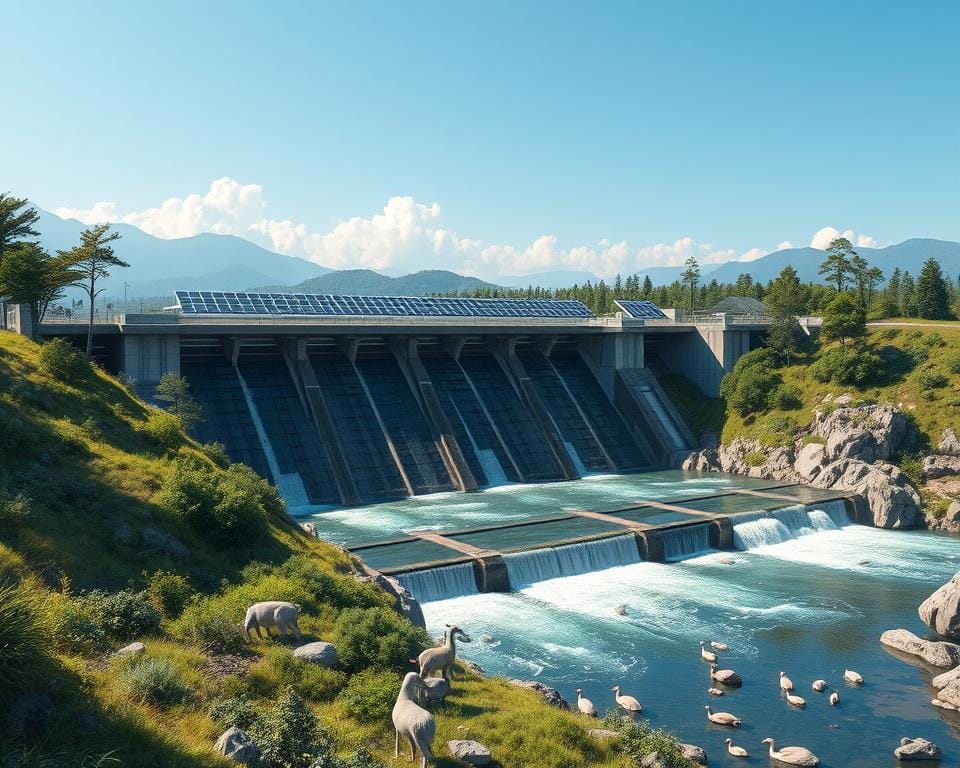
"Every grand feat of engineering comes with its own set of challenges, reminding us to tread carefully with Mother Nature."
So, What's the Verdict on Dams?
Dams are truly a testament to human ingenuity and our desire to harness nature's power for our benefit. They bring incredible advantages, from lighting our homes to providing us with fresh water and fun recreational spots. They are often the silent guardians protecting our communities from nature's more aggressive moods.
However, these impressive structures also come with significant trade-offs. They can disrupt delicate ecosystems, change the lives of river communities, and require a massive commitment of resources. It’s a classic balancing act: how do we gain the benefits without causing too much harm?
The story of dams isn't black and white; it's a fascinating spectrum of engineering marvels, environmental challenges, and human stories. It reminds us that every grand solution often creates new questions. So, the next time you see a dam, take a moment to appreciate the complex dance between progress and nature, and perhaps, the humble fish trying to make its way home.