
Property Of Metal So It Can Be Drawn Into Wire
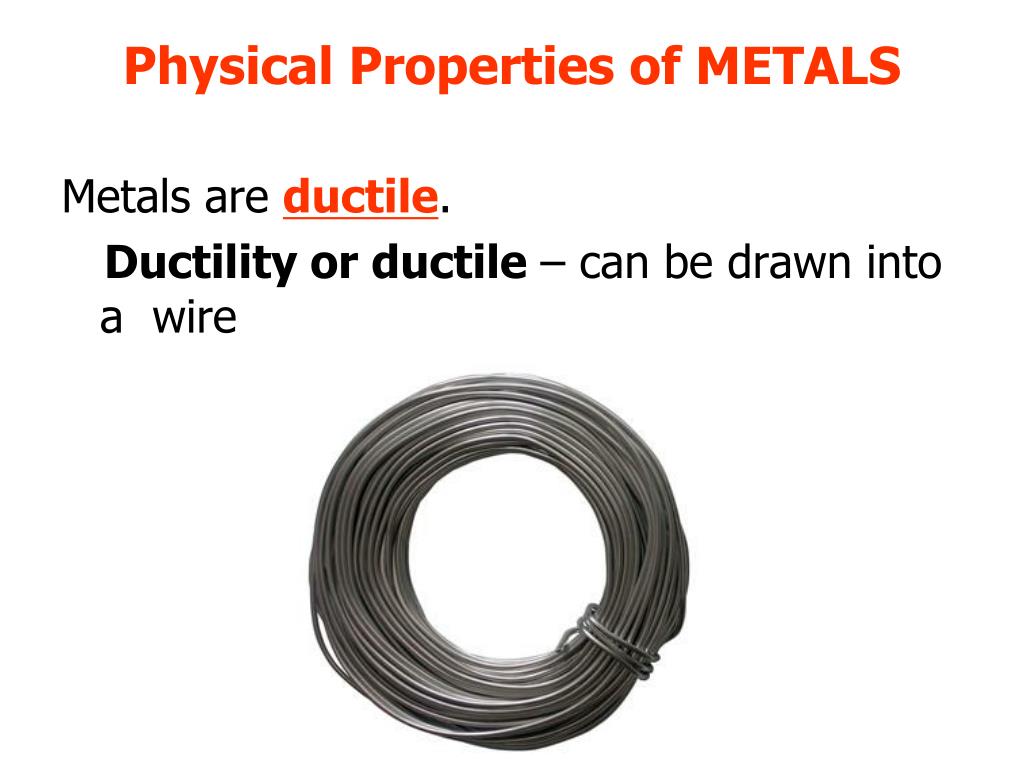
Ever wonder how we get those long, beautiful strands of metal we call wire? It's not magic, though it might seem like it! It all boils down to a super cool property some metals have.
The Secret Sauce: Ductility!
That property is called ductility. Think of it as a metal's ability to be stretched. Imagine pulling taffy, but instead of getting sticky, you get a perfectly shaped wire!
Ductility is why gold, silver, and copper are so popular for electrical wiring. They're the superheroes of the wire world! They can be drawn into incredibly thin strands without breaking.
Must Read
Why Should You Care About Ductility?
Okay, so metal can be stretched. Big deal, right? Actually, it's a pretty big deal! Ductility is all around us, even if we don't realize it.
Think about the wires powering your phone. Or the intricate circuits inside your computer. All of that is thanks to the ductile nature of certain metals.
Without it, our modern world would look very different. We'd be stuck with bulky, inefficient ways of transferring electricity. Imagine trying to power your phone with a metal brick!
It's also crucial for jewelry making. Gold and silver, being highly ductile, can be formed into delicate designs. Think of rings, necklaces, and earrings – all possible because of this amazing property.
Ductility in Action: Making Wire!
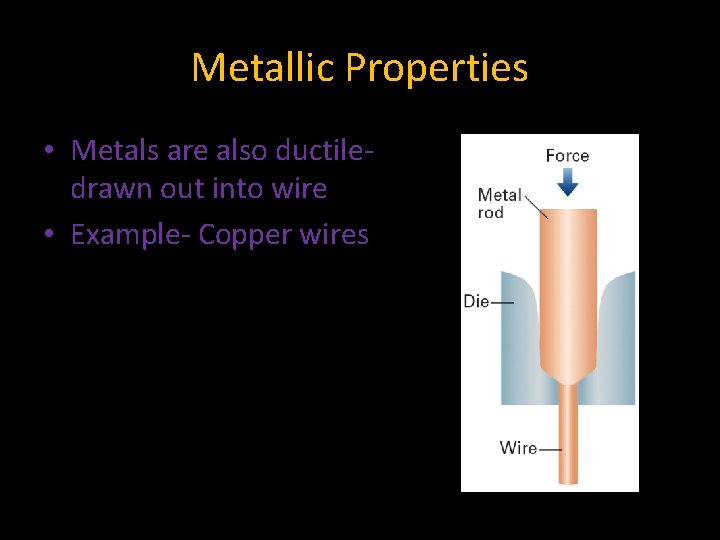
So how do they actually make wire? It's a process called drawing.
The metal, usually in the form of a thick rod, is pulled through a series of progressively smaller dies. Think of it like squeezing playdough through a star-shaped hole, but on a much larger and more precise scale.
Each die reduces the diameter of the metal. After passing through many dies, voila! You have wire!
It's a carefully controlled process. Too much force, and the metal could break. Too little, and it won't stretch properly.
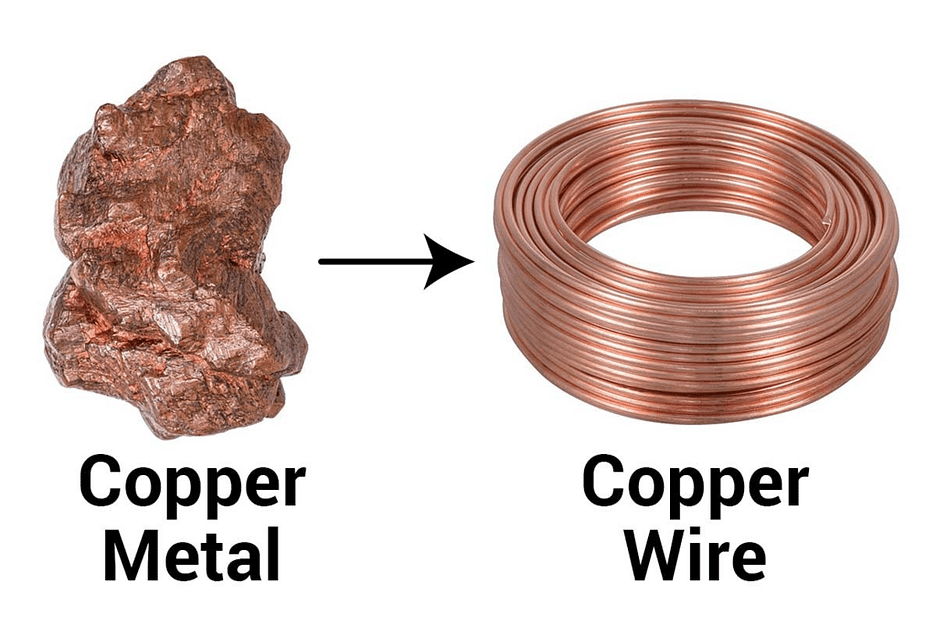
The result is a consistent, uniform wire. Perfect for conducting electricity or being woven into intricate designs.
Beyond the Basics: Factors Affecting Ductility
Not all metals are created equal. Some are more ductile than others! Several factors can affect a metal's ability to be drawn into wire.
Temperature plays a big role. Heating a metal can sometimes make it more ductile. Think of how glassblowers heat glass to make it pliable.
Impurities can also affect ductility. Even small amounts of other elements can weaken the metal. That’s why pure metals are often preferred for making wire.
The metal's crystalline structure is also important. The way the atoms are arranged can influence how easily it can be deformed.
Think of it like a stack of neatly arranged bricks versus a jumbled pile. The neatly arranged bricks are easier to slide and shift!
Gold: The Undisputed Champion
When it comes to ductility, gold is the undisputed champion. It's the most ductile metal known to humankind!
A single ounce of gold can be drawn into a wire over 50 miles long! That's insane! Imagine a golden thread stretching across your entire city!
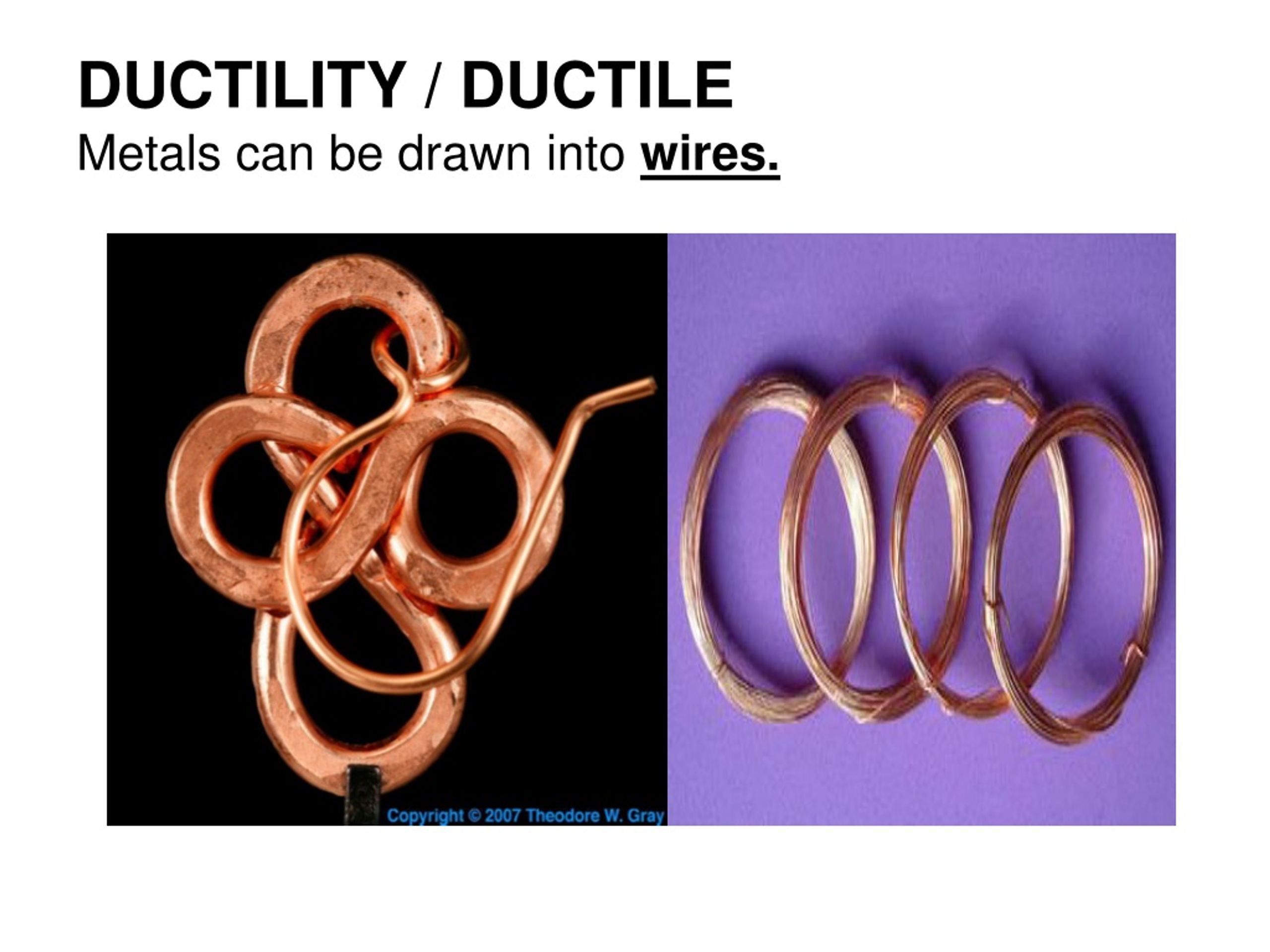
This extreme ductility is why gold is used in so many delicate electronic components. It can be shaped into incredibly fine wires to connect tiny circuits.
It's also why gold leaf can be made so incredibly thin. The gold is hammered and stretched until it's just a few atoms thick!
Copper: The Workhorse of Wiring
While gold is the champion, copper is the workhorse. It's the most commonly used metal for electrical wiring.
It's not quite as ductile as gold, but it's still very ductile. Plus, it's much more affordable!
Copper's excellent conductivity and good ductility make it perfect for powering our homes and businesses. It's the unsung hero of the electrical grid!
Silver: The Shiny Alternative
Silver is another highly ductile metal. It's also a fantastic conductor of electricity.
It's often used in high-end electronics and specialized applications where high performance is critical. Think of sophisticated audio equipment or scientific instruments.
Silver's beautiful shine and excellent ductility also make it popular for jewelry making. It's a stunning and versatile metal!
Iron: The Strong but Stretchy Contender
Even iron, known for its strength, possesses a degree of ductility! It might not be as stretchy as gold or copper, but it can still be drawn into wire.
Steel, an alloy of iron, also exhibits ductility. This property is crucial for making steel cables used in bridges and other structures.
The ductility of iron-based materials allows them to withstand stress and deformation without breaking. It's a vital characteristic for many engineering applications.
Why Ductility Matters to You
So, why should you care about ductility? Because it's a fundamental property that shapes our world!
It enables the technology we rely on every day. From our smartphones to our power grids, ductility plays a crucial role.
It also allows artists and craftspeople to create beautiful and intricate designs. From delicate jewelry to stunning sculptures, ductility unlocks endless possibilities.
Beyond Wires: Other Applications of Ductility
While wire drawing is the most obvious application, ductility is useful in other ways too!
Consider the process of forging metal. A blacksmith heats a piece of metal and then shapes it by hammering. The metal's ductility allows it to be deformed without cracking.
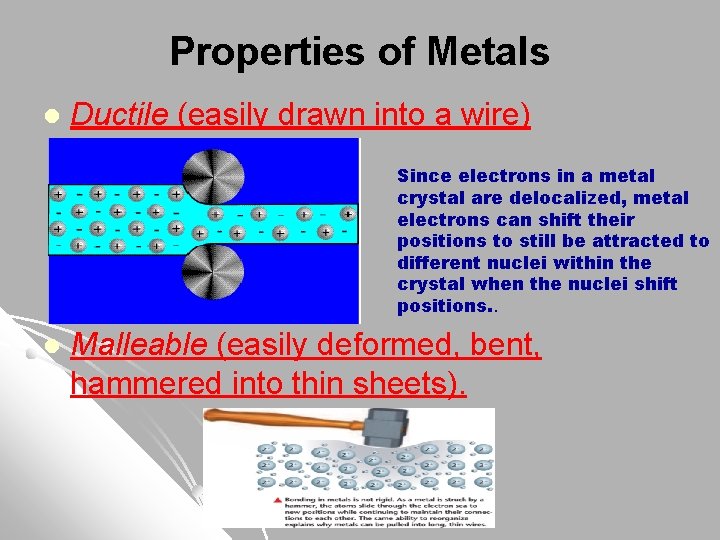
Metal forming processes like stamping and deep drawing also rely on ductility. These processes are used to create everything from car panels to kitchen sinks.
Essentially, any time you need to change the shape of a metal without breaking it, ductility is your friend!
Is Ductility the Same as Malleability?
Often, people confuse ductility with malleability. They're related, but not the same!
Ductility is the ability to be drawn into wire. Malleability is the ability to be hammered or rolled into thin sheets.
Think of it this way: ductility is like pulling, while malleability is like squishing. Gold is both highly ductile and highly malleable!
The Future of Ductility
As technology advances, the need for ductile materials will only increase. Researchers are constantly exploring new ways to improve the ductility of metals and alloys.
They're experimenting with new compositions, processing techniques, and heat treatments. The goal is to create materials that are stronger, more durable, and more easily shaped.
The future is bright for ductility! Expect to see even more innovative applications of this amazing property in the years to come.
So next time you see a wire, remember the amazing property that makes it possible. Think about the incredible journey that metal has taken, from a solid chunk to a fine, flexible strand. It's all thanks to ductility!