
Propane Conversion Kit For Harbor Freight Generator
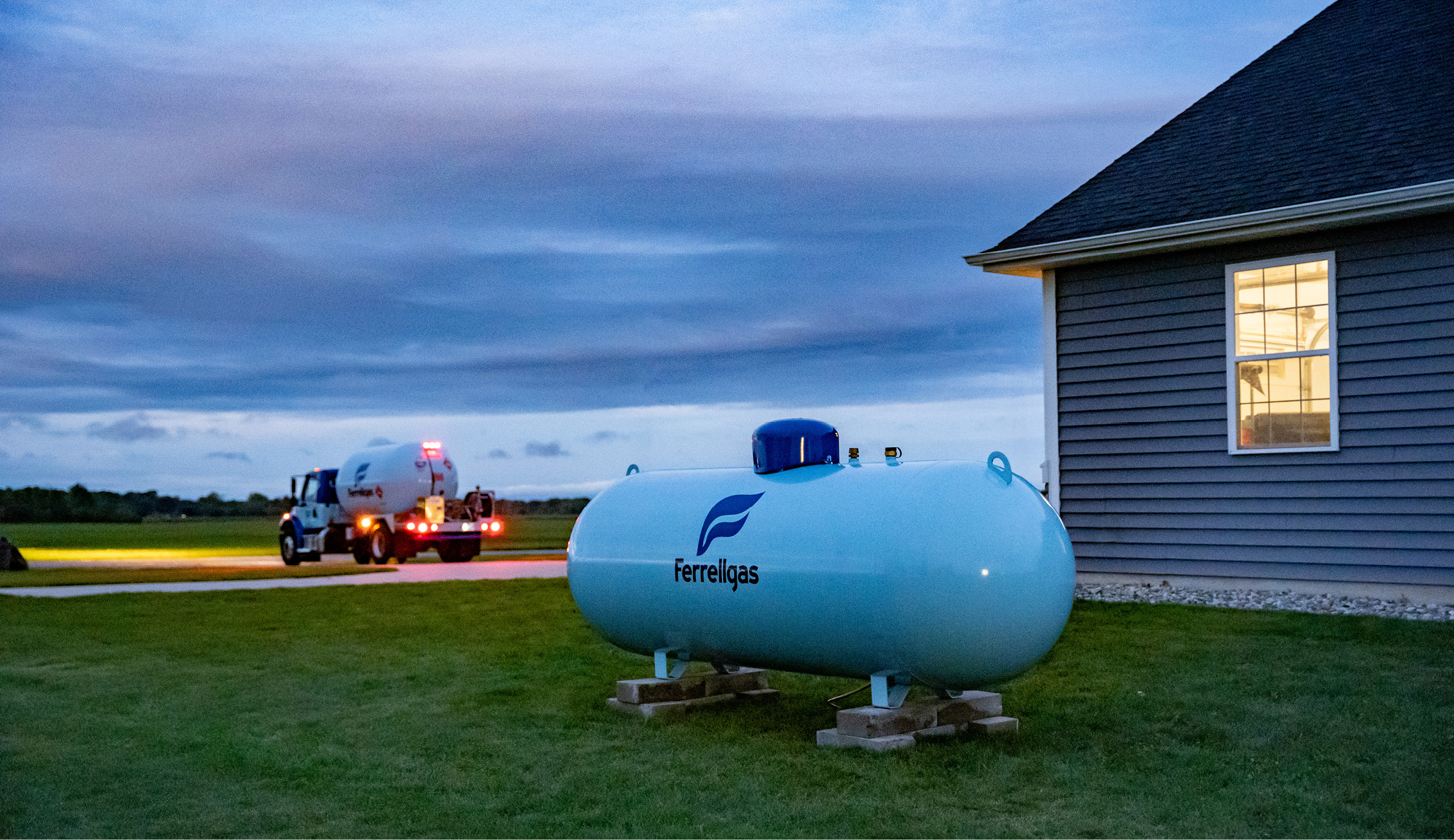
Okay, so you've got a Harbor Freight generator, huh? Smart move! They're, shall we say, affordable. But are you tired of lugging around those finicky gas cans? I feel you. Let’s talk propane conversion kits. Because honestly, who doesn't want their generator running smoother and, dare I say, greener?
What's the Deal with Propane Conversion?
Basically, it’s like giving your generator a new lease on life. A life where it sips propane instead of chugging gasoline. Propane’s cleaner burning, which is good for the environment (sort of… it’s still burning something, right?). And it’s generally cheaper and easier to store long-term. Plus, those propane tanks last FOREVER. Okay, maybe not forever, but you get the idea. No more stale gas gumming up the works after sitting all winter! Amen to that!
Must Read
Why Bother with a Conversion Kit?
Good question! Gasoline is...well, gasoline. Smelly, messy, and it degrades over time. Propane? It's the reliable friend you can always count on. Plus, if the power goes out (knock on wood!), you can hook your generator up to your BBQ tank. Instant hero status! Just sayin'. And let’s be honest, isn't that a tiny bit appealing?
Finding the Right Kit for Your Harbor Freight Beast
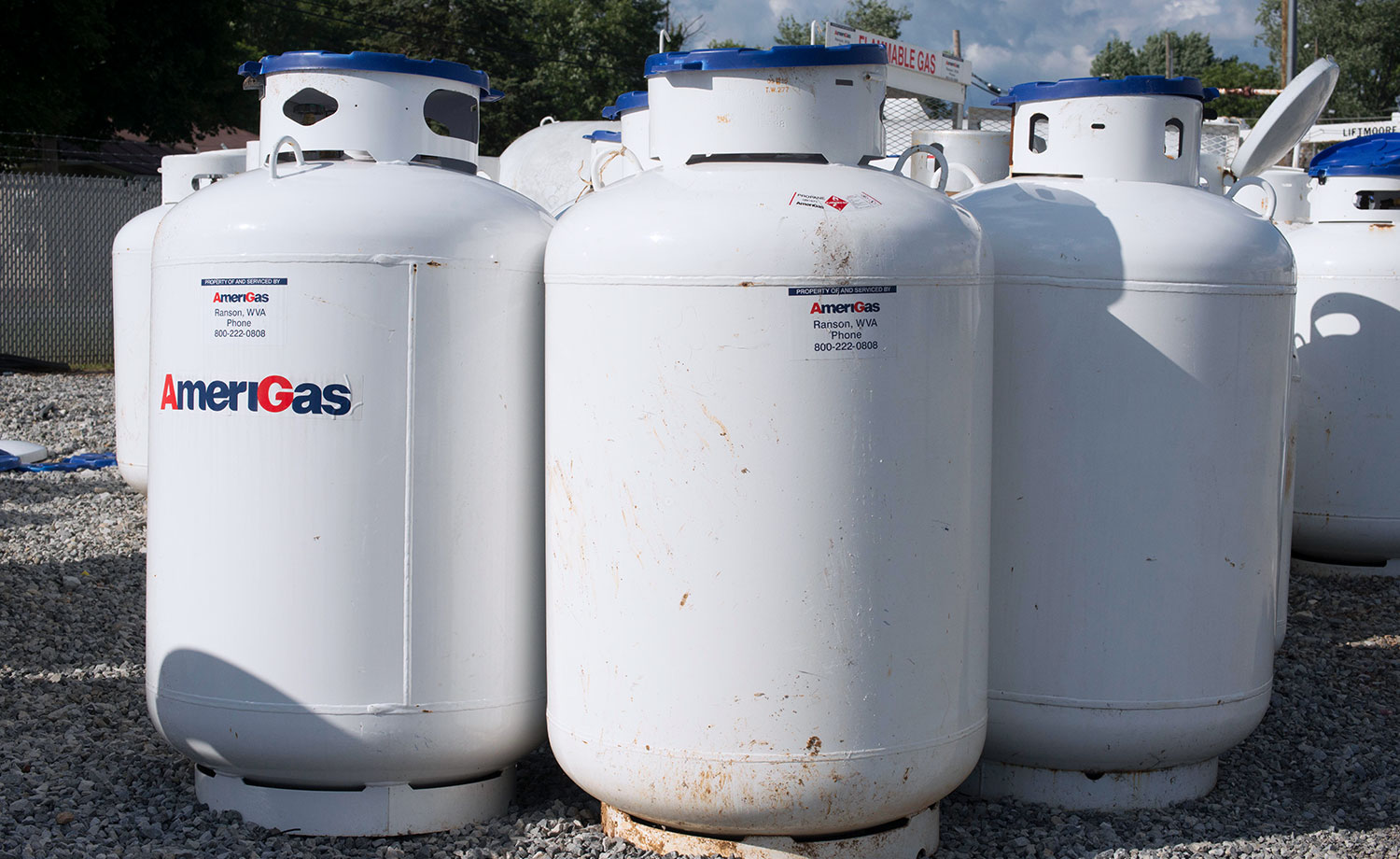
Now, here's where things get a little…interesting. Harbor Freight generators come in a bunch of different flavors, right? Predator, Wen, Champion...the list goes on! So, you can't just grab any old conversion kit and hope for the best. It's gotta be the right one.
First, you need to know your engine's horsepower (HP). That's usually stamped somewhere on the engine itself. Write that down! It's your golden ticket.
Then, you need to figure out the engine brand and model. Yes, it's like a scavenger hunt. But trust me, it's worth it. Check the owner's manual (if you can find it) or look for a label on the engine block. Usually, it's a little plate with some numbers and letters that look like gibberish, but they're actually super important.
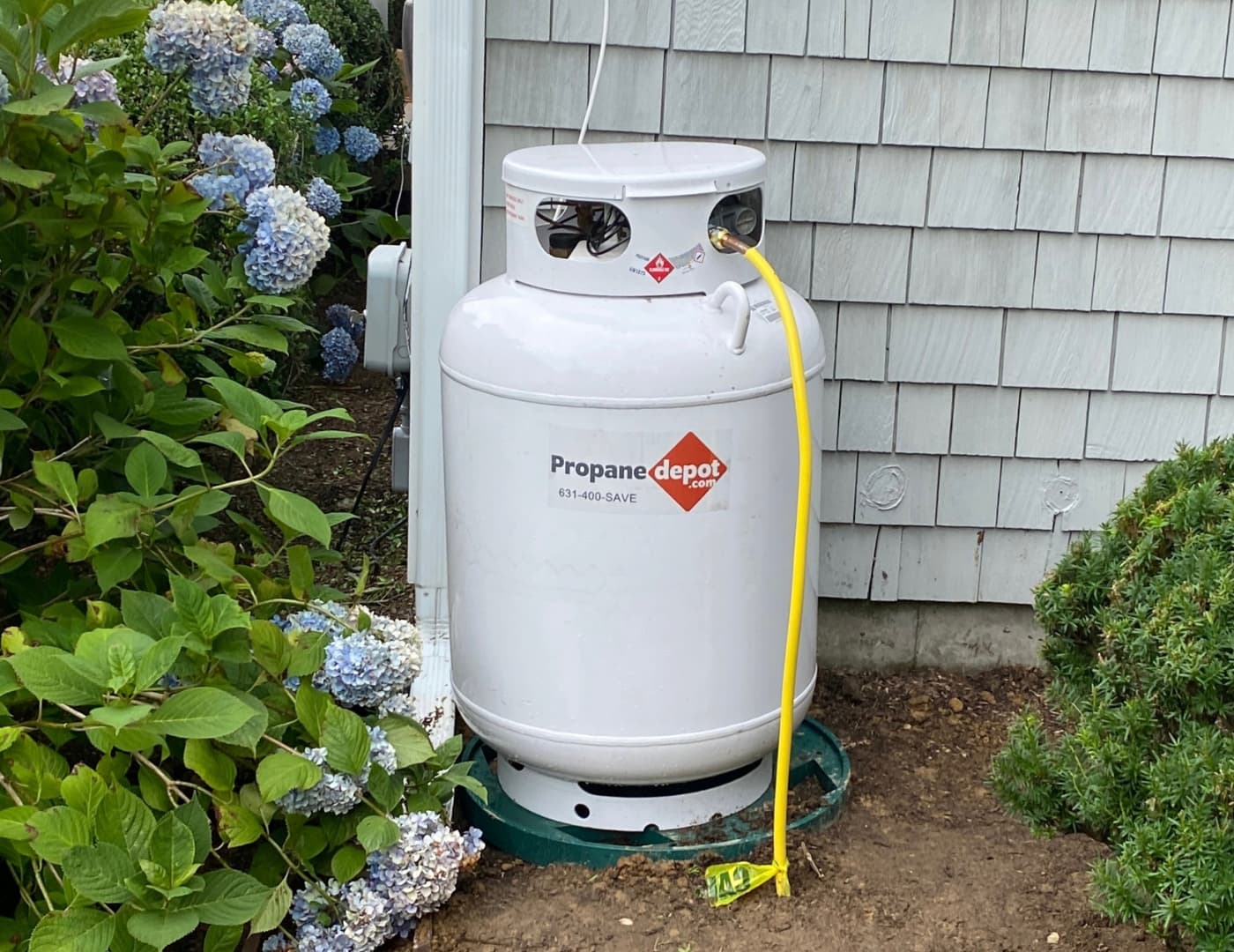
With that info in hand, hit up the internet! Search for “propane conversion kit for [your engine brand and model] [horsepower]”. Amazon and eBay are your friends here. Just read the reviews carefully. You want to find a kit that fits properly and has good instructions (or at least decent instructions).
Installation: Are You a DIY Hero?
Okay, this is where it gets real. Installing a propane conversion kit isn't rocket science, but it's not exactly child's play either. If you're comfortable tinkering with engines, you can probably handle it. If you’re the type who calls a handyman to change a lightbulb… maybe find a mechanically inclined friend (or bribe them with pizza and beer).
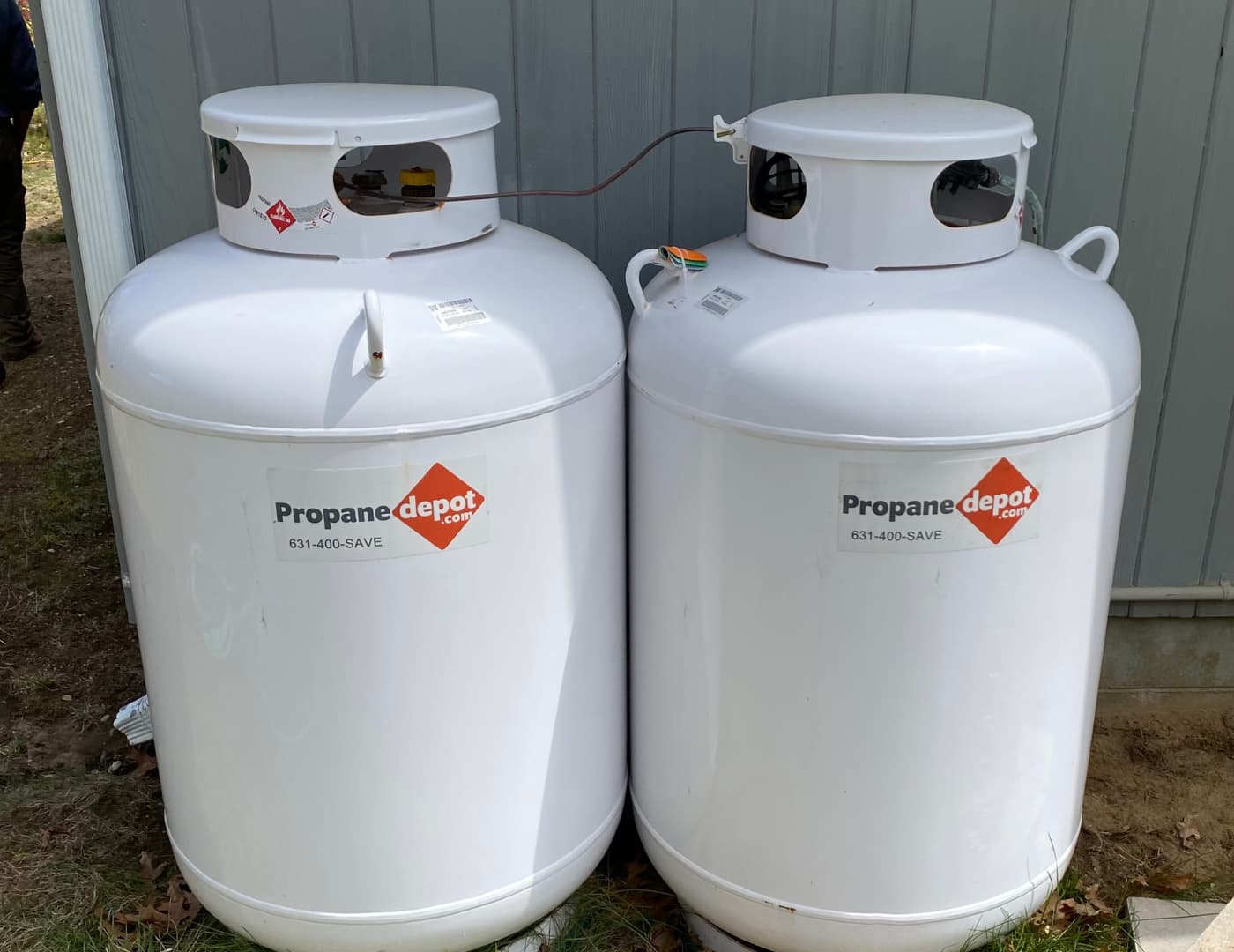
The kit should come with instructions, of course. Follow them closely! Don't skip steps! And for the love of all that is holy, disconnect the spark plug before you start messing around. Electricity and gasoline are a bad combo. Trust me on this one.
Usually, you'll be replacing the carburetor or adding a propane adapter to it. You might also need to adjust the fuel mixture screw. Again, the instructions will be your guide. But if you're feeling lost, there are tons of videos on YouTube. (YouTube is basically the internet's repair manual, right?).
Important Safety Stuff (Because We Don't Want Explosions!)
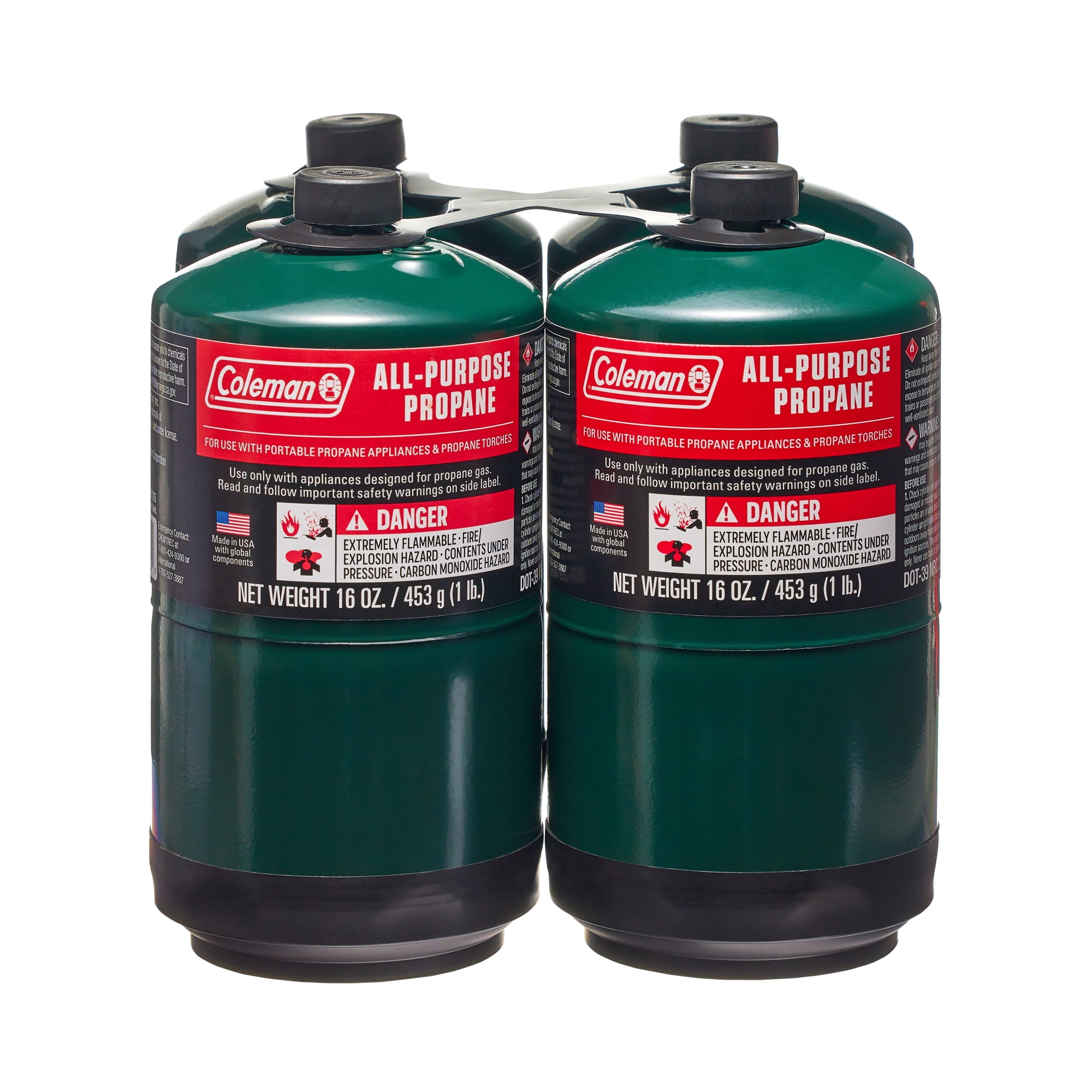
Propane is flammable! Duh! So, be careful! Work in a well-ventilated area. Don't smoke or have any open flames nearby. And double-check all your connections to make sure they're tight. A propane leak is no laughing matter. It’s a “call the fire department” matter. Seriously.
Is It Worth It?
Honestly? Yes. Converting your Harbor Freight generator to propane is a game-changer. Cleaner fuel, easier storage, and longer run times. Plus, you get bragging rights! "Oh, you're still using gasoline? How quaint!" (Okay, maybe don't say that out loud. But you can think it.)
So, what are you waiting for? Go forth and conquer! Convert that generator and enjoy the sweet, sweet smell of… well, not gasoline. The absence of the smell of gasoline. You get the idea!