Production Of Electricity From Nuclear Energy
Ever wondered where the electricity powering your lights, phone, and Netflix binge truly comes from? While solar panels and wind turbines are becoming household names, there's another incredible source often talked about in hushed, mysterious tones: nuclear energy. But don't let the technical sound scare you! Understanding how we harness the power of the atom to light up our lives is actually quite fun and incredibly useful. It's like learning the secret behind a magic trick – once you know, you'll appreciate its elegance and power even more. It's a fundamental part of our modern world, and demystifying it makes you feel a little bit like a superhero with secret knowledge!
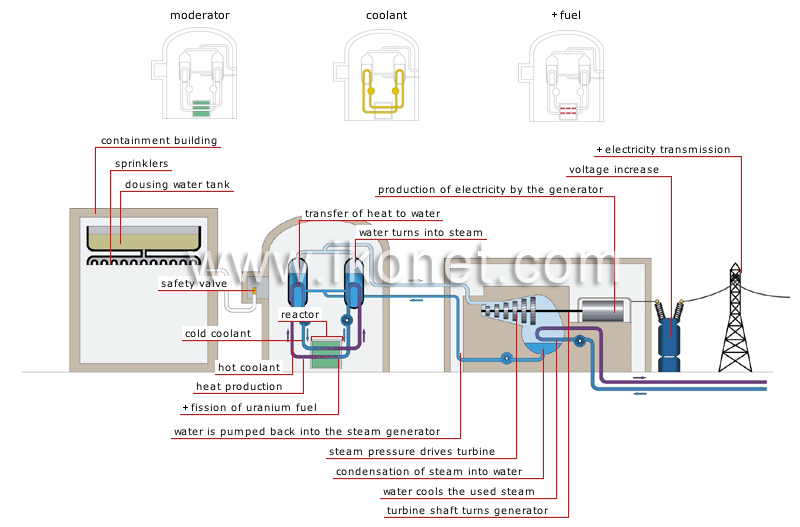
So, what's the big deal? At its heart, generating electricity from nuclear energy is surprisingly similar to burning coal or natural gas. The main goal is to create heat. In a nuclear power plant, tiny uranium atoms are split in a controlled process called fission. This splitting releases an incredible amount of energy as heat. This heat then boils water, creating high-pressure steam. This steam, in turn, spins a massive turbine, which is connected to a generator that produces – you guessed it – electricity! For beginners, understanding this basic chain of events is a fantastic gateway to appreciating complex engineering. For families, it's a great discussion starter about where our energy comes from, how science helps society, and the importance of diverse energy sources. And for anyone who enjoys learning about technology and our energy future, delving deeper into nuclear power's role in a sustainable world is immensely rewarding.
While the basic principle is always about turning heat into electricity, there are variations. Most common are Pressurized Water Reactors (PWRs) and Boiling Water Reactors (BWRs), each with slightly different ways of handling the water and steam. What makes nuclear unique is the fuel source – a small amount of uranium can produce an astonishing amount of energy, making it incredibly dense and efficient. Think about it: a single fuel pellet, smaller than your fingertip, can hold as much energy as a ton of coal! This incredible efficiency is a core reason why nuclear power plants are such powerful workhorses in our energy grid, providing a steady stream of carbon-free electricity 24/7, regardless of weather conditions.
Must Read
Ready to start your journey into understanding nuclear energy? It's easier than you think! A great first step is to watch a simple animated video online that explains the process – visuals make it much clearer. Look for explainer videos from reputable science channels or energy organizations. You could also visit a local science museum; many have exhibits that illustrate energy generation. Or, simply read a short, easy-to-understand article (like this one!) to grasp the fundamental concepts before diving into more technical details. Don't feel pressured to understand every single scientific nuance right away; focus on the big picture: heat makes steam, steam spins a turbine, turbine makes electricity.
Understanding nuclear energy isn't just for scientists; it's for everyone who wants to grasp the mechanics of our modern world. There's a profound sense of satisfaction in knowing how we harness such an elemental force to power our lives. It highlights human ingenuity and our ongoing quest for reliable, powerful energy solutions. So go ahead, explore the fascinating world of nuclear energy – you might just discover a new appreciation for the incredible science that keeps your lights on!