Product Lifecycle Management For Consumer Goods
Ever wonder how that "it" bag seems to morph into a dozen different colors, materials, and sizes within a single season? Or how your favorite coffee mug suddenly appears with a limited-edition holiday design? It's not magic, it's Product Lifecycle Management (PLM) in action! While it might sound like something only corporate giants worry about, the core principles of PLM – planning, developing, launching, and managing a product through its various stages – can be surprisingly useful and inspiring for anyone who loves to create, from seasoned artists to casual crafters.
So, how can PLM benefit you, the creative soul? Think of it as a framework for unleashing your artistic potential. Instead of haphazardly jumping from one project to another, PLM encourages you to plan your creative journey. This means considering your audience (even if it's just you!), defining your goals, and mapping out the steps needed to achieve them. For instance, if you're a painter, PLM could help you explore a specific style or subject matter systematically. Want to master impressionism? PLM can guide you!
The benefits are numerous. Firstly, it helps you stay organized. No more half-finished projects gathering dust! By breaking down a large creative endeavor into smaller, manageable stages, you increase your chances of actually finishing something. Secondly, it fosters experimentation and learning. PLM encourages you to iterate and improve based on feedback, whether that feedback comes from friends, family, online communities, or your own critical eye. Thirdly, it enhances your marketing and promotion efforts. Even if you're not selling your creations, PLM helps you present your work in a cohesive and engaging way, showcasing your artistic evolution.
Must Read
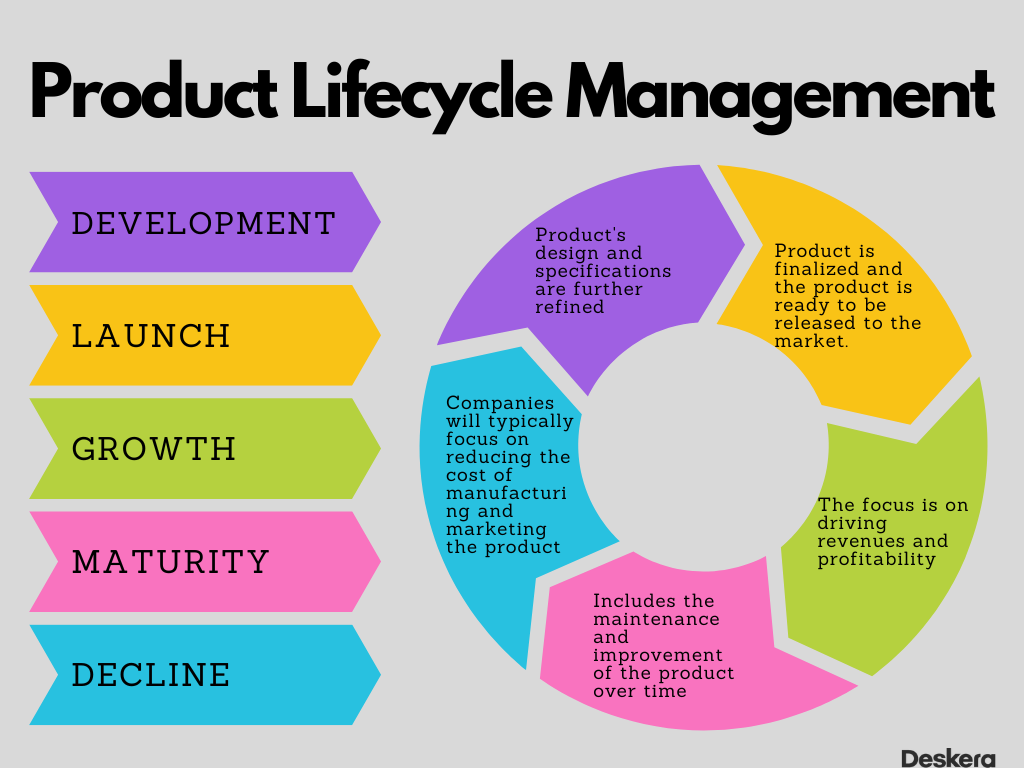
Let's look at some examples. Imagine a photographer who wants to explore portrait photography. They might start with a "concept phase," defining their style (e.g., black and white, candid, posed) and target subjects (e.g., family, friends, strangers). Next comes the "development phase," where they experiment with different lighting techniques, compositions, and editing styles. Then, the "launch phase" involves sharing their best shots online or in a physical portfolio. Finally, the "management phase" includes gathering feedback, refining their approach, and planning future shoots based on what they've learned. Another example is a knitter creating different variations of a scarf design, each with different colors, yarn weights, or stitch patterns – a perfect mini-PLM project!

Ready to try it at home? It's easier than you think! Start with a simple project. Choose a craft or art form you enjoy. Define a clear goal, like "learn to watercolor landscapes." Break it down into smaller steps: watch tutorials, practice basic techniques, paint a series of small landscapes, and then share your work online. Document your progress – taking photos or writing notes – to track your learning journey. Don't be afraid to experiment and make mistakes! That’s a crucial part of the learning process.
Ultimately, PLM for creative endeavors isn't about rigid rules and corporate jargon. It's about bringing structure and intention to your artistic pursuits, making the creative process more rewarding and enjoyable. It’s about discovering new possibilities, refining your skills, and celebrating the evolution of your craft. So go ahead, embrace the principles of PLM and watch your creativity flourish!