
Problems And Solutions In Organic Chemistry By Subrata Sengupta Pdf
Hey there, chemistry comrade! Ever feel like organic chemistry is trying to play a cosmic joke on you? You're not alone! It's like trying to navigate a maze blindfolded while juggling flaming beakers. But don't worry, we've all been there, staring blankly at reaction mechanisms that seem to defy the laws of physics (or at least, the laws you learned last week).
Speaking of battling the beast, have you heard about "Problems and Solutions in Organic Chemistry" by the legendary Subrata Sengupta? It's practically a cheat code (shhh, don’t tell your professor!) to unlocking the mysteries of all those carbons and hydrogens dancing around.
The Organic Chemistry Conundrum: What's the Problem, Anyway?
Okay, let's break down the typical organic chemistry roadblocks. We're talking about:
Must Read
- Reaction Mechanisms: Those squiggly arrows and electrons doing... what exactly? It's like trying to understand abstract art made with only protons and neutrons.
- Nomenclature: Naming organic compounds can feel like trying to decipher ancient hieroglyphics. Seriously, who comes up with these names? (Probably someone who really loved rules...and hated sleep.)
- Stereochemistry: Suddenly, 3D matters! Chirality, enantiomers, diastereomers... it's a party of prefixes that can make your head spin.
- Spectroscopy: Interpreting IR, NMR, and Mass Spec data is like listening to a secret language only molecules understand. You need to become fluent...fast!
Sound familiar? Don't fret! Everyone struggles. Even Einstein probably had a moment where he looked at a benzene ring and thought, "What is this thing?".
Enter Subrata Sengupta: Your Organic Chemistry Savior
This is where "Problems and Solutions in Organic Chemistry" steps in like a caped crusader. It's not just another textbook filled with endless theory. It's a problem-solving powerhouse. Think of it as a workout routine for your brain, but instead of dumbbells, you're lifting complex chemical equations.
So, what makes it so special?
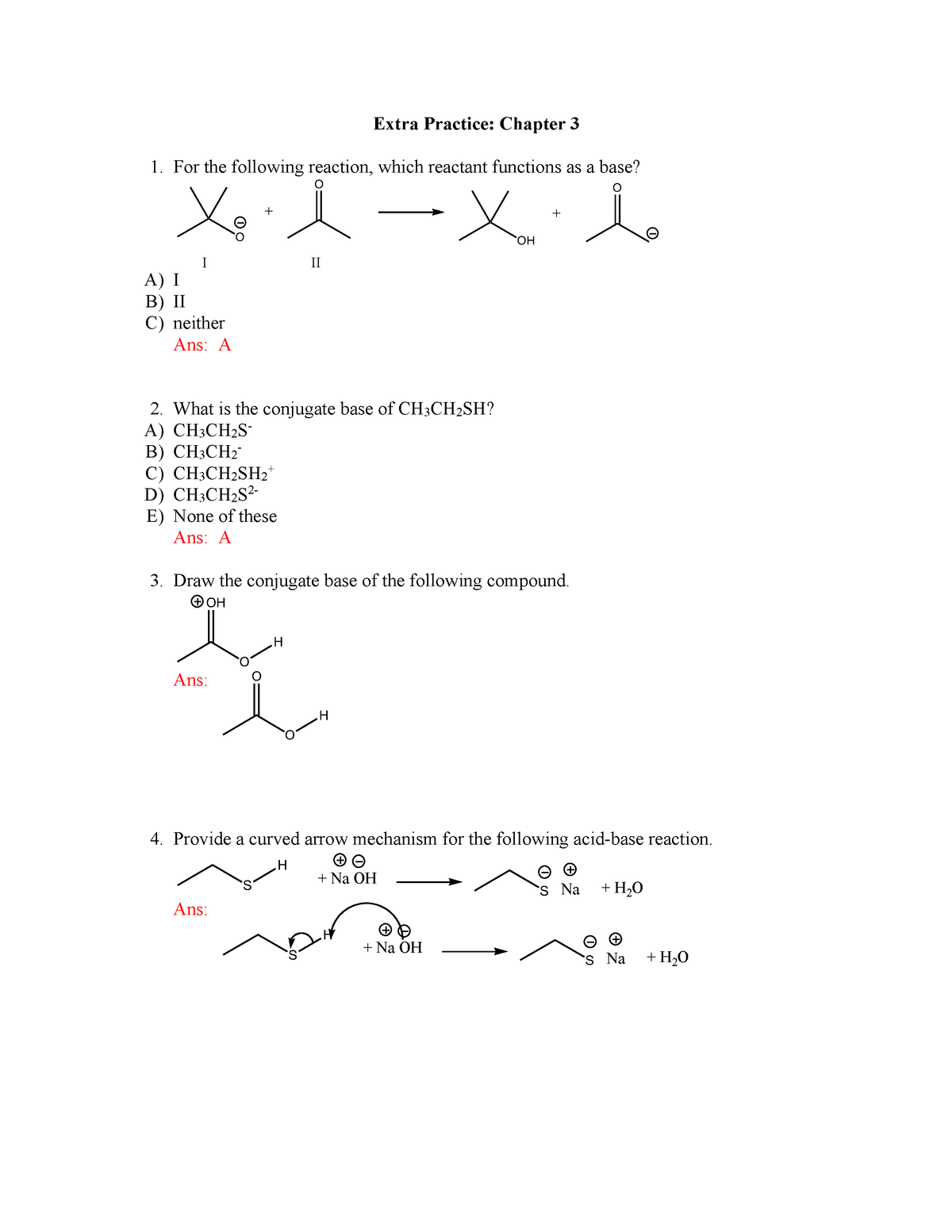
- Tons of Practice Problems: Seriously, it's packed with them. From basic concepts to advanced topics, you'll have plenty of opportunities to hone your skills. Practice makes perfect, right? (Or at least, practice makes less imperfect!)
- Detailed Solutions: Forget cryptic one-line answers. Sengupta provides step-by-step explanations, so you can actually understand the thought process behind each solution. It’s like having a tutor walk you through every problem.
- Conceptual Clarity: It’s not just about memorizing. The book helps you grasp the underlying principles of organic chemistry, which is way more valuable in the long run. (Think understanding the "why" instead of just the "what".)
- PDF Accessibility: Let’s be real, who wants to lug around a giant textbook? The PDF version is a lifesaver. You can access it on your laptop, tablet, or even your phone (although maybe don't try reading it on a rollercoaster).
How to Actually Use the Book (Without Crying)
Alright, you've got the PDF. Now what? Don't just stare at it hoping the knowledge will magically transfer into your brain. Here's a strategy:

- Start with the Basics: Don't jump into advanced problems before you've mastered the fundamentals. Build a solid foundation first. Think of it like building a house – you can't put on the roof before laying the foundation (unless you're a really bad architect).
- Attempt the Problems First: Resist the urge to peek at the solutions right away. Give each problem your best shot. Even if you get it wrong, you'll learn more from the process.
- Analyze the Solutions: If you get stuck or get the wrong answer, carefully study the provided solution. Pay attention to the reasoning and the steps involved.
- Review Regularly: Don't just cram everything in before the exam. Review the material regularly to keep it fresh in your mind. Spaced repetition is your friend!
Bonus Tip: Form a study group! Misery loves company (just kidding... mostly). But seriously, working with others can help you understand the material better and catch mistakes you might have missed on your own.
The Light at the End of the Tunnel (It's Not Just a Lab Fire)
Organic chemistry can be challenging, but it's also incredibly rewarding. Once you start to "get it," you'll see the world in a whole new way. You'll understand the molecules that make up everything around you, from the food you eat to the clothes you wear. Pretty cool, right?
And with resources like "Problems and Solutions in Organic Chemistry" by Subrata Sengupta, you're not alone in your journey. You have a powerful tool to help you conquer those reactions, master those mechanisms, and ultimately, ace that exam! So, take a deep breath, grab your molecule-building kit (or just a pen and paper), and dive in. You've got this!
Remember, even if you accidentally synthesize something that smells like rotten eggs, you're still learning. So keep experimenting, keep asking questions, and keep believing in yourself. You're on your way to becoming an organic chemistry rockstar!
