Pro And Cons For Solar Energy
Ah, the sun! That glorious golden orb in the sky that brightens our days, warms our skin, and makes our plants grow. But beyond just good vibes, have you ever considered the incredible power it holds to literally light up your life? We’re talking about solar energy, a phenomenon that’s rapidly moving from a niche novelty to a mainstream marvel, captivating homeowners and businesses alike with its promise of a greener, cheaper future.
At its heart, solar energy is about harnessing the sun’s abundant rays and converting them into electricity. Think of it as giving your home a direct line to the universe's biggest, cleanest power plant. The purpose it serves in everyday life is profound: it powers our lights, charges our devices, heats our water, and even runs our air conditioning, all without burning fossil fuels. Common examples are everywhere – from the ubiquitous rooftop solar panels seen on houses in your neighborhood to smaller applications like garden lights, portable phone chargers, and even calculating machines. It's truly a silent revolution, humming along above our heads.
Now, let's shine a light on the Pro And Cons For Solar Energy, because like a cloudy day after a week of sunshine, there are always two sides to the story.
Must Read
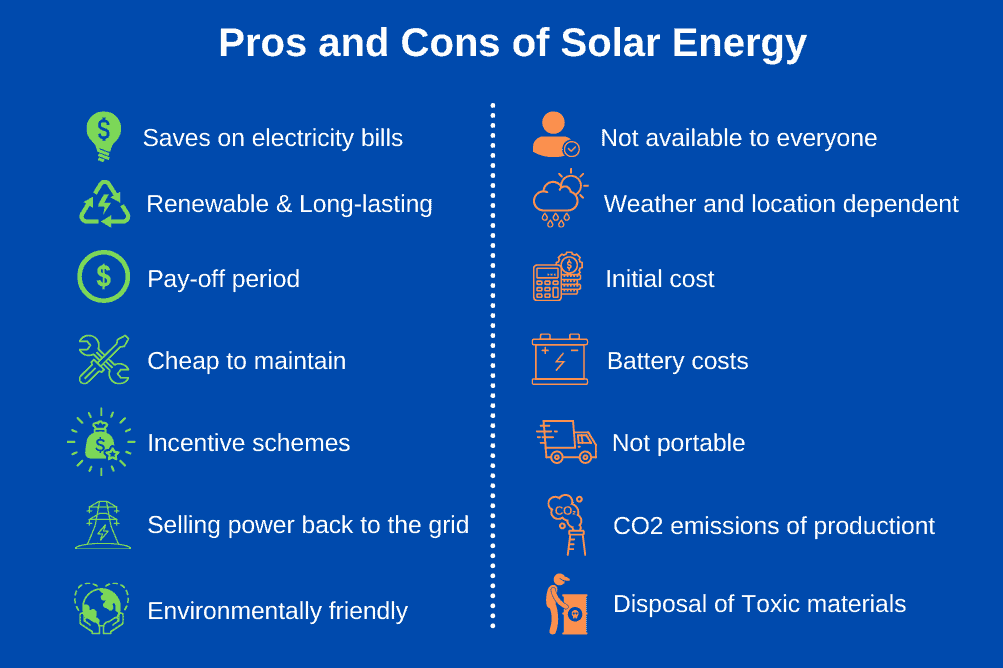
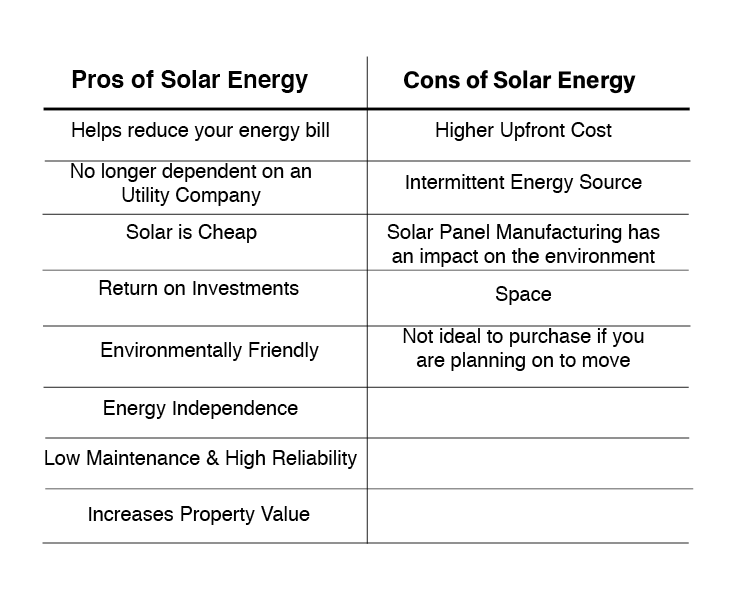
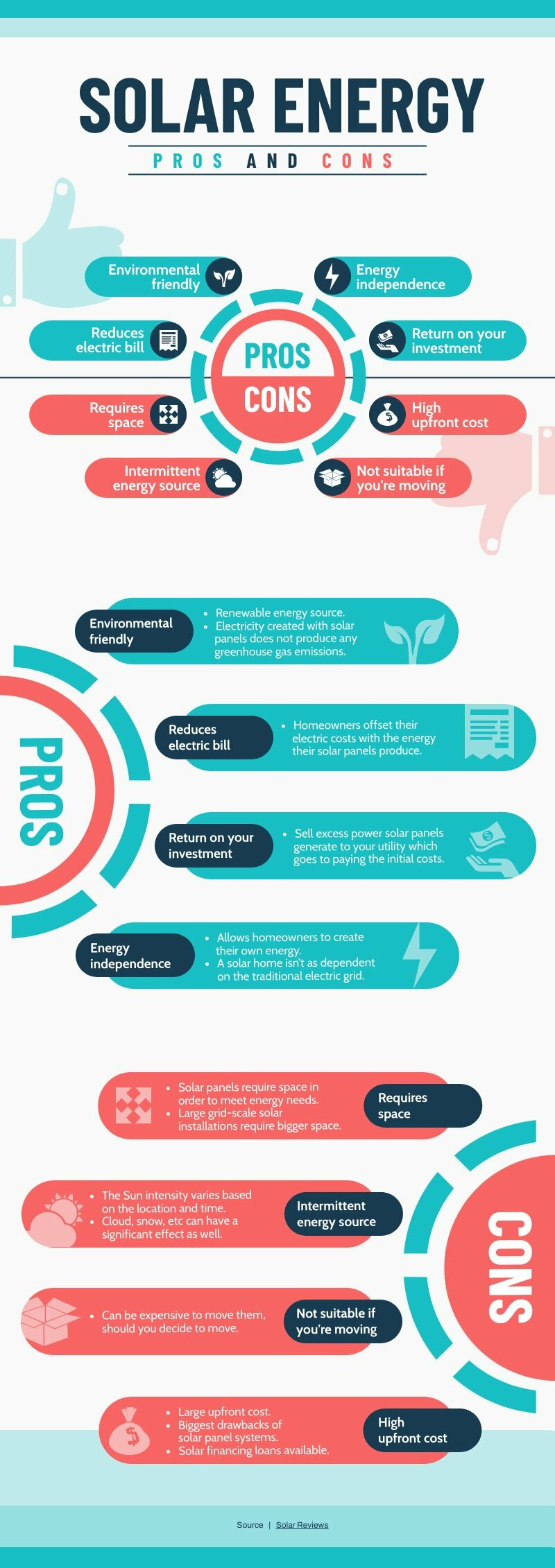
The Sun-tastic Pros:
- Environmental Hero: This is arguably the biggest win. Solar energy produces zero carbon emissions during operation, significantly reducing your carbon footprint and contributing to a cleaner planet. It’s truly a renewable resource, unlike coal or gas.
- Wallet-Friendly in the Long Run: Once installed, your electricity bills can plummet, sometimes even to zero! You might even be able to sell excess electricity back to the grid (a process called net metering), turning your roof into a mini power station that pays you. Government incentives, tax credits, and rebates often sweeten the deal, making the initial investment more palatable.
- Energy Independence: Ever worried about power outages or fluctuating energy prices? Solar panels give you a degree of freedom from the traditional utility grid, offering more energy security and stability.
- Low Maintenance: Solar panels are built to last, often coming with warranties for 20-25 years. They generally require very little upkeep beyond occasional cleaning.
The Cloudy Cons:
- Upfront Cost: Let’s not sugarcoat it – the initial investment for a full solar system can be significant. While prices have fallen dramatically, it’s still a substantial outlay that requires careful budgeting.
- Intermittency: The sun doesn't shine at night, and cloudy days reduce efficiency. This means you’ll often need battery storage (another cost) or remain connected to the traditional grid for backup. Solar systems aren't 100% self-sufficient without substantial battery banks.
- Space Requirements: Panels need ample, unshaded roof space or land. Not every property is ideally suited for optimal solar installation.
- Manufacturing & Disposal Impact: While operational emissions are zero, the production of solar panels and their eventual disposal do have environmental considerations, though ongoing research aims to mitigate these.
So, how can you enjoy solar energy more effectively and make the most of its potential? First, do your homework. Get multiple quotes from reputable installers. Understand your current energy consumption to size a system that truly meets your needs. Look into all available local, state, and federal incentives – they can make a huge difference. Consider integrating a battery storage system if energy independence is a high priority. Finally, ensure your panels are kept clean; even a thin layer of dust can reduce efficiency. Embracing solar energy is a big decision, but with proper planning, it can be an incredibly rewarding investment for both your wallet and the planet.