Pro And Con Of Nuclear Power
Ever wondered about that mysterious, powerful energy source often whispered about in sci-fi movies and serious climate discussions? We're talking about nuclear power! It's one of those topics that instantly sparks debate, conjures images of both futuristic marvels and epic disasters, and has everyone from scientists to your grandma weighing in. Why all the fuss? Because it promises a massive amount of energy with practically no carbon emissions, yet comes with some seriously heavy baggage. It’s a technology often portrayed as both a hero and a villain in the global energy story. Let's peel back the layers and explore why this atomic marvel keeps us all talking!
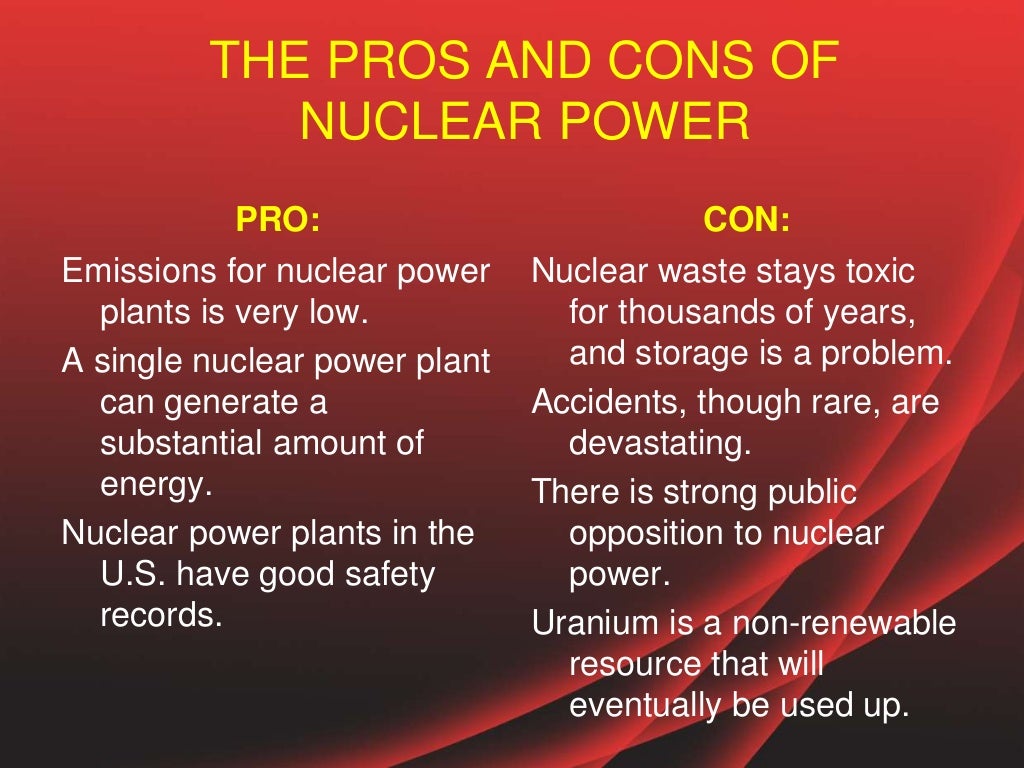
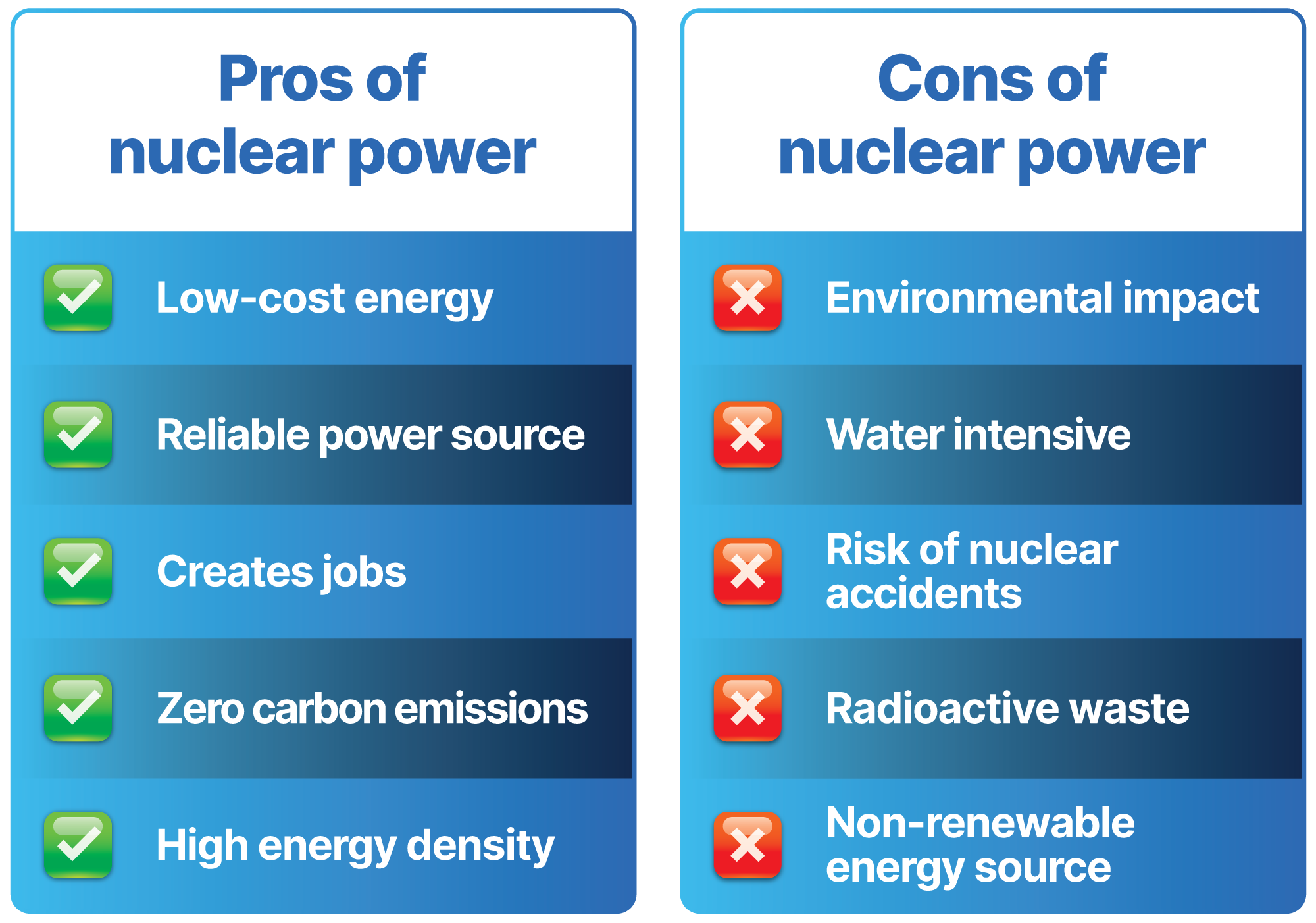
First, let's look at why nuclear power gets so much love from its proponents. The biggest superpower? It's clean energy. Unlike burning fossil fuels, nuclear reactors don't pump out greenhouse gases or air pollutants like carbon dioxide into our atmosphere. That's a huge win for combating climate change! Imagine powering entire cities without contributing to smog or global warming, making it a critical player in achieving a decarbonized future.
Secondly, it's incredibly reliable. Nuclear plants can run 24/7, rain or shine, day or night, unlike solar or wind power which depend on natural conditions. They produce a constant, massive amount of electricity from a surprisingly small amount of fuel – we're talking about one uranium pellet packing the punch of a ton of coal! This incredible energy density means fewer resources are needed to generate vast amounts of power. It also contributes to energy independence for nations, as they rely less on importing fossil fuels from potentially unstable regions. Think of it: massive, consistent power from a tiny footprint.
Must Read
But wait, before we crown nuclear power the undisputed champion, let's talk about its formidable challenges. The biggest one is nuclear waste. The spent fuel rods remain radioactive for thousands, even hundreds of thousands of years. Finding a safe, long-term storage solution that won't harm future generations is a monumental task that we haven't quite cracked yet. It’s a literal hot potato that needs to be buried securely for millennia!
Then there's the specter of safety. Accidents, though extremely rare, can be catastrophic, as events like Chernobyl and Fukushima painfully remind us. While modern reactors are designed with multiple layers of safety features and passive systems, the potential for human error, natural disasters, or equipment failure means the risk, however small, is always present. Beyond that, the technology involved, particularly enriched uranium, has dual-use potential, raising concerns about nuclear proliferation and its use in weapons, adding another layer of geopolitical complexity.
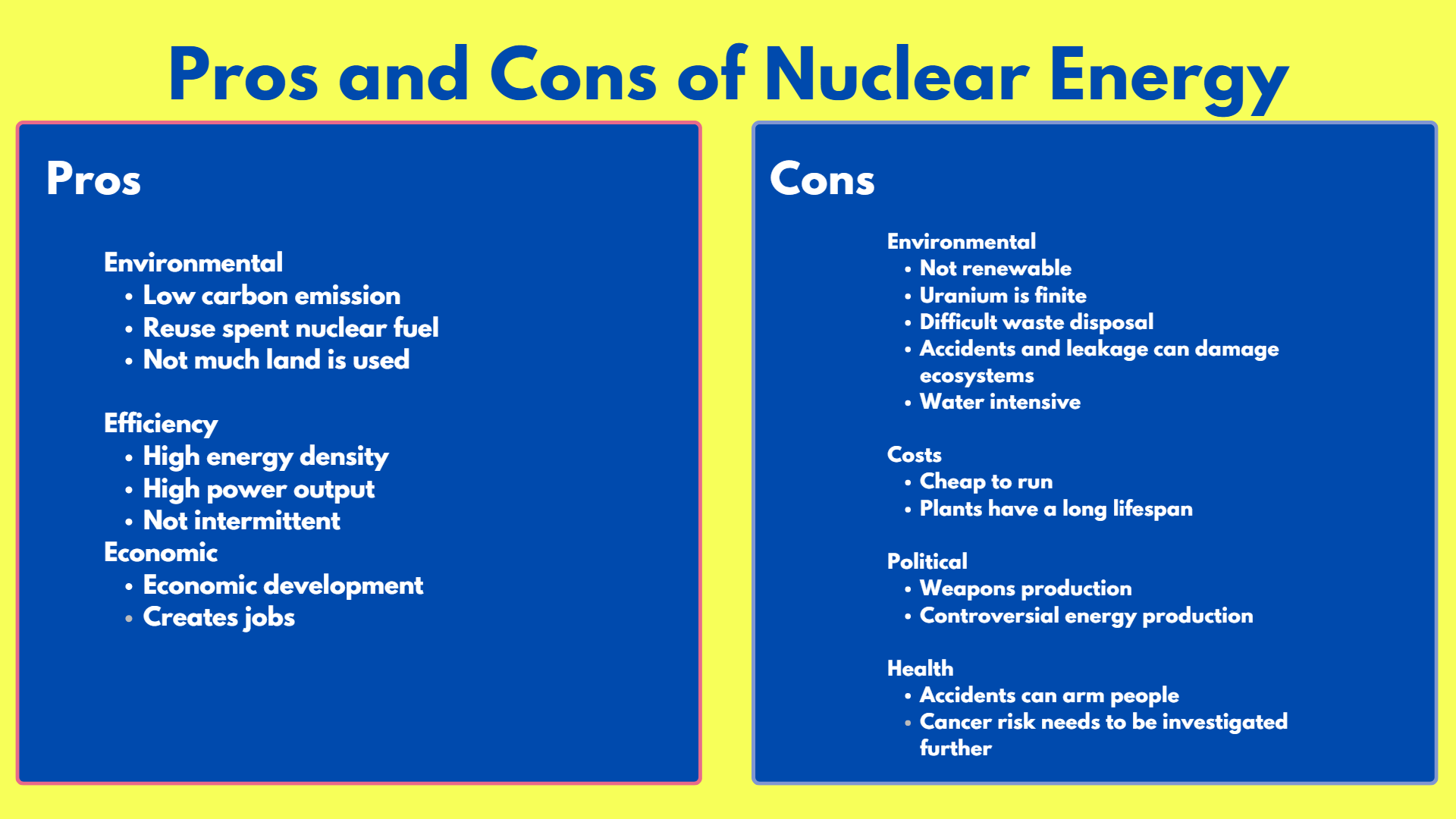
Finally, let's not forget the cost. Building a new nuclear power plant is an incredibly expensive and time-consuming endeavor, often running into billions of dollars and taking over a decade to complete. This huge upfront investment can make other renewable energy sources seem more attractive in the short term, especially when considering the complex regulatory hurdles.
So, there you have it: nuclear power, a true energy paradox. It offers a powerful, clean solution to our energy needs, yet confronts us with profound questions about waste, safety, proliferation, and cost. It's a technology that holds immense promise for a carbon-free future, but one that demands careful consideration, robust regulation, and responsible stewardship. The debate continues, making nuclear power one of the most fascinating and impactful topics of our time. What's your take on this atomic balancing act?