Price Per Kilowatt Hour By State
Ever plugged in your phone, fired up the AC, or brewed a morning coffee without a second thought? Of course, you have! Electricity is the invisible hero powering our modern lives, but here's a little secret: the price tag for that power can be wildly different depending on where you live. This isn't just about utility bills; it's about understanding a fundamental aspect of your cost of living, and frankly, it's pretty fascinating to see just how much impact your state can have on your wallet. This knowledge could help you become a savvier energy consumer. So, grab a cup of that (possibly cheaper or pricier!) coffee, because we're about to demystify the price per kilowatt-hour by state!
So, why should you care about this invisible price tag? Knowing your state's price per kilowatt-hour (often abbreviated as kWh) is like having an energy superpower. It empowers you to be a smarter budgeter. When you understand the cost of each unit of electricity, you can make more informed decisions about everything from running that old refrigerator to investing in energy-efficient appliances. It helps you dissect your utility bill, truly grasping what you're paying for. Considering a move? This metric becomes a crucial piece of the cost-of-living puzzle. Ultimately, it gives you a sense of control and awareness over one of your biggest household expenditures, turning passive bill payment into active financial intelligence.
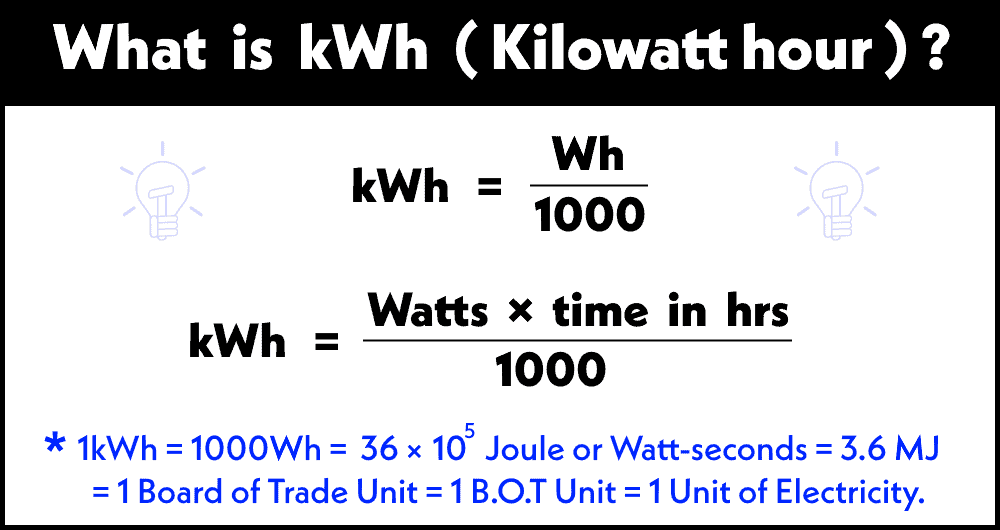
Let's break down the jargon for a moment. A kilowatt-hour (kWh) is simply the standard unit your electric company uses to measure your electricity consumption and, consequently, how much to charge you. Imagine it like a gallon of gas for your car, but for your lights and gadgets! Now, here's where it gets really interesting: the cost of that kWh can swing dramatically from one state to another. Why such a difference? It's a blend of factors: the primary fuel sources for generation (coal, natural gas, hydro, solar), the age and maintenance of the power grid, state regulations, population density, and even local demand. Some states have cheaper resources or infrastructure, while others might face higher costs for fuel or grid upkeep. It's a complex dance of economics, geography, and policy.
Must Read
What does this mean for you? Well, if you live in a state with lower kWh prices, you might enjoy more wiggle room with your thermostat or feel less pinch when charging multiple devices. On the flip side, residents in high-cost states might find themselves becoming master strategists, turning off lights religiously, unplugging 'vampire' electronics, or seeking out the most energy-efficient solutions. It's not about scare tactics; it's about being energy-aware. The best part? This information is readily available! A quick online search for 'average electricity price per kWh in [Your State]' will give you a wealth of information. You might be surprised by what you find – perhaps your state is a budget-friendly energy haven, or maybe it’s time to start thinking about those smart home gadgets. Either way, understanding your energy costs is the first step towards potentially significant savings and a clearer picture of your household budget. Happy researching!