
Price Of Gas In Columbus Ohio
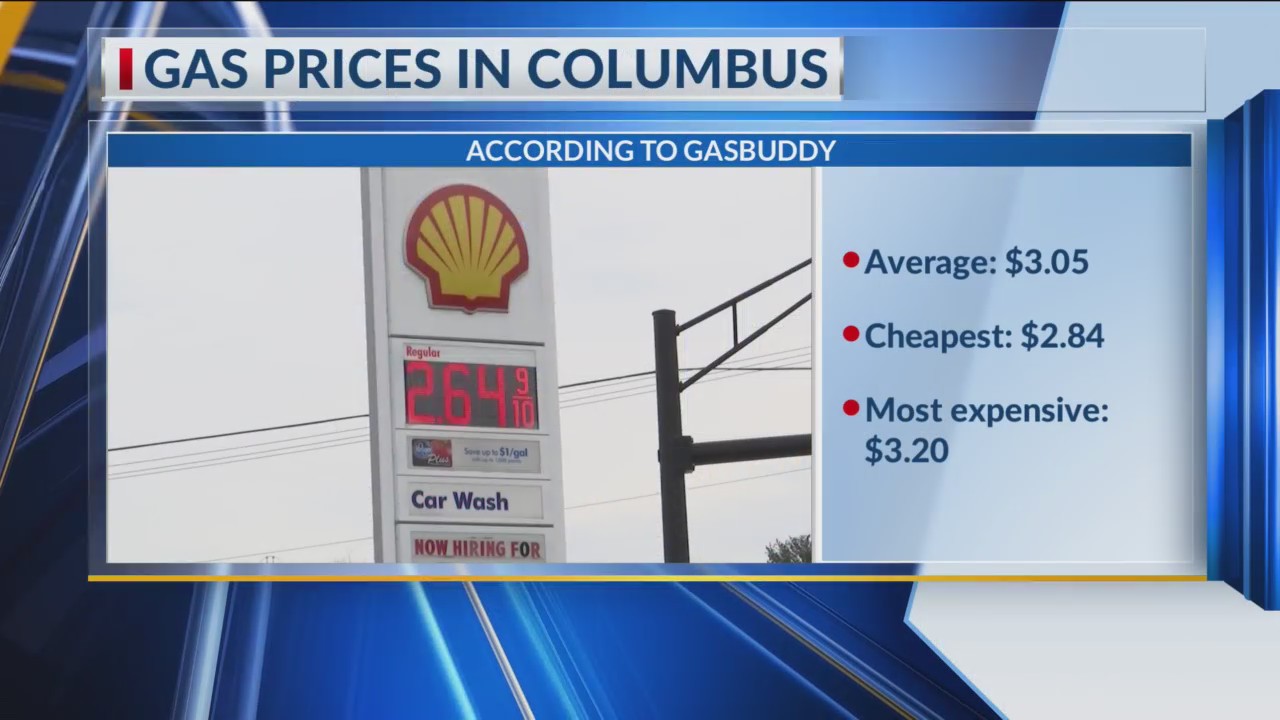
Alright, let's chat about something we all notice, but maybe don't always think about deeply: the price of gas right here in our beloved Columbus, Ohio. You know that moment, driving along, when you glance at the big numbers on the sign? One moment it's $3.19, the next week it's $3.49, then maybe it dips down to $3.05. It's like a little daily roller coaster for our wallets, isn't it?
But seriously, have you ever paused to wonder why those numbers are what they are? What invisible forces are at play, deciding how much it costs to fill up your tank before you hit High Street or head out to Easton? It’s actually pretty fascinating when you pull back the curtain just a little bit.
The Big Global Picture, Simplified for Cbus
First off, the price we pay at the pump isn't just cooked up in a back office somewhere in Ohio. Oh no, it's a global dance party. The biggest influencer is almost always the price of crude oil. Think of crude oil as the raw ingredient for gasoline, like flour for bread. If the price of flour goes up globally, your loaf of bread will likely get a bit pricier too, right?
Must Read
So, what makes crude oil prices swing? Well, it's a whole bunch of things:
Sometimes it's supply and demand. If a big oil-producing country has some political instability, or a hurricane messes with drilling rigs in the Gulf of Mexico, suddenly there’s less oil available. Less supply, same demand? Prices go up! On the flip side, if everyone suddenly decides to drive less (maybe we all get super into carpooling or cycling), demand goes down, and prices might ease.

It’s wild to think that events happening thousands of miles away – say, in the Middle East or a decision made by an international cartel of oil producers – can directly impact whether you pay $40 or $50 to fill up your Civic right here on I-71. It’s like a giant, invisible game of dominoes, and we’re feeling the ripple effect.
From Gooey Crude to Go-Go Juice: The Refining Process
Once that crude oil is bought and sold, it needs to be turned into gasoline. This is where refineries come in. They take that thick, gooey crude and perform some serious chemistry to transform it into the clear liquid we pump into our cars.
This refining process isn't free, and its cost can fluctuate. If a big refinery has to shut down for maintenance or gets damaged, the supply of refined gasoline can temporarily dip, pushing prices higher. It’s like if your favorite coffee shop’s espresso machine broke down – suddenly, fewer lattes, and maybe a slightly higher price for the ones they can make!
Taxes, Delivery, and the Local Columbus Flavor
Okay, so we’ve got crude oil costs and refining costs. What else is in the mix? Taxes! Both federal and state governments (hello, Ohio!) add their own slice to every gallon. These taxes help fund roads, bridges, and other public services, so while they add to the price, they're also contributing to the infrastructure we use to drive.
Then there's the cost of getting the gas from the refinery to your local Shell or Speedway in Columbus. This involves pipelines and big tanker trucks. Plus, the gas station owner needs to make a profit to keep the lights on and pay their staff. These are the distribution and marketing costs.

And here's where the Columbus flavor really comes in. Have you ever noticed how gas stations right next to each other on the same street can have wildly different prices? One might be a few cents cheaper than its neighbor across the street. This is often about local competition. They're all trying to attract your business, leading to this little price dance we see daily.
Sometimes, stations in different parts of Columbus can vary too. Maybe closer to downtown, prices are a smidge higher due to real estate costs, or perhaps stations right off major highways have a slight premium for convenience. It's a subtle but noticeable local dynamic.
Seasonal Swings and Your Summer Road Trip
Another cool thing to observe is the seasonal trend. Typically, as spring turns into summer, gas prices tend to creep up. Why? Because more people are hitting the road for vacations and weekend trips! Increased demand during peak travel seasons almost always means higher prices.

Then, as fall and winter roll around, and fewer people are embarking on epic road trips, demand usually slackens, and prices might ease a bit. It’s like the annual migration of gas prices, following the sun and our travel plans.
So, What's the Takeaway for Us in Columbus?
The next time you pull up to the pump here in Columbus, instead of just seeing a number, maybe you'll see a little more of the story behind it. You'll be thinking about global events, industrial processes, government policies, and even the friendly rivalry between two gas stations a block apart.
It’s a daily reminder of how interconnected our world is, and how even the simplest transactions are influenced by a complex web of factors. Pretty neat, right? Now go forth and fill up, perhaps with a newfound appreciation for those ever-changing digits!