
Precision Machining For The Defense Industry

Ever imagined the magic behind making things super, super precise? Think about it: a tiny cog, a specific screw, a perfectly shaped piece that fits just so. That's where precision machining comes in, and it's way more fascinating than it sounds, especially when it comes to the defense industry.
Now, "defense industry" probably conjures images of serious-looking people in serious-looking offices discussing serious-looking strategies. But behind all that seriousness, there's a whole lot of really cool engineering going on, and a ton of surprisingly human stories.
The Art of Making Things Just Right
Let's ditch the jargon for a second. Imagine you're building a Lego castle, but each brick has to be exactly the right size, down to the width of a human hair. That's the level of accuracy we're talking about. Precision machining isn't just about cutting metal; it's about sculpting perfection.
Must Read
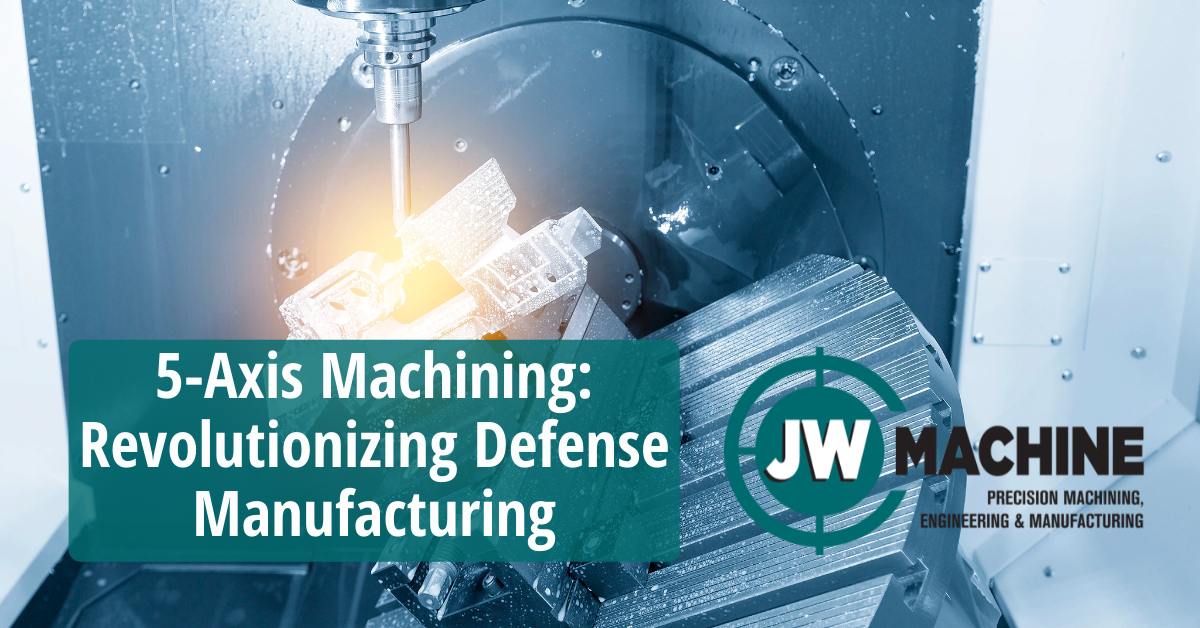
These aren't your grandpa's rusty old lathes. We're talking about computer-controlled machines that can carve metal with laser-like accuracy. Think of them as super-powered, ultra-precise robots with a penchant for shiny shavings.
Why does all this matter? Well, in the defense industry, things have to work, and they have to work every single time. There's no room for "close enough."
From Humble Beginnings to High-Tech Marvels
The story of precision machining isn't all about robots and lasers. It started with skilled craftspeople, painstakingly shaping metal by hand. Picture a lone machinist, hunched over a workbench, filing away at a piece of steel, guided by nothing but experience and a steady hand.
These early machinists were the rockstars of their day. They held the secrets to making vital components, and their skills were highly prized. They were like the original 3D printers, only much, much slower (and probably a lot grumpier before coffee!).

Over time, technology advanced, and those hand tools were replaced by complex machines. But the core principle remained the same: getting it exactly right.
The Human Side of the Machine
Despite all the automation, precision machining is still a very human endeavor. It takes skilled operators, engineers, and technicians to keep these machines running and to ensure that everything is made to spec. And sometimes, things go hilariously wrong.
One story that’s often told is about a machinist who accidentally programmed a machine to carve a giant, elaborate mustache into a block of aluminum. It was a costly mistake, but the shop ended up displaying the "Mustache Block" as a testament to human error (and ingenuity).
These aren't just nameless, faceless workers. They're people who take pride in their work, knowing that what they create plays a vital role in keeping people safe. It's a job that requires dedication, attention to detail, and a healthy dose of problem-solving skills.
More Than Just Metal: The Unexpected Twists
Precision machining isn't just about making weapons and military equipment. It's used in all sorts of unexpected places. Think about satellites, medical devices, and even high-performance sports cars.
The same technology that goes into crafting a missile component might also be used to create a prosthetic limb or a revolutionary new engine. It's all about pushing the boundaries of what's possible with metal.
And sometimes, those boundaries lead to some pretty bizarre inventions. There's a story floating around about a defense contractor who designed a self-folding burrito using precision-machined parts. Apparently, it never made it to market, but it’s a testament to the creativity that can be sparked by this field.
The Future is Precise
So, what does the future hold for precision machining in the defense industry? More automation, more advanced materials, and even more incredible levels of accuracy.

Imagine machines that can repair themselves, components that can adapt to changing conditions, and weapons systems that are more precise and effective than ever before. It sounds like something out of a science fiction movie, but it's closer than you think.
But even as technology advances, the human element will remain crucial. It will always take skilled people to design, operate, and maintain these machines, and to solve the inevitable problems that arise.
A Toast to the Unsung Heroes
The next time you hear about the defense industry, take a moment to think about the unsung heroes behind the scenes: the machinists, engineers, and technicians who work tirelessly to create the components that keep our nation safe.
They may not be on the front lines, but their work is just as vital. They are the masters of precision, the sculptors of steel, and the guardians of accuracy. They are, in short, the backbone of modern defense.

So, let's raise a glass (or a perfectly machined bolt) to these incredible individuals. Their dedication, skill, and occasional mishaps, make the world a more precise – and often, surprisingly entertaining – place.
From the perfectly aligned gears in a fighter jet to the tiny screws in a soldier's night vision goggles, precision machining is the silent force that ensures everything works when it needs to. It's a field filled with challenges, innovations, and a surprising amount of humor.
And that, my friends, is a story worth telling.
Remember accuracy is not just a target; it's an art form. And the artists behind that art form deserve our appreciation.
"Precision is not an obsession, it's a way of life." - An anonymous, likely very tired, machinist.