
Power Rating Of A Hair Dryer

Ah, the hair dryer. A humble yet mighty servant in our daily routines. It promises speed, volume, and sometimes, a little bit of magic.
But have you ever really looked at that number on its box? You know, the one screaming, "X-Thousand Watts!"
It’s usually a big, bold figure, designed to impress. It’s the Power Rating, a badge of honor for many appliances.
Must Read
For a hair dryer, this number tells you how much electricity it gobbles up. More watts generally mean more heat and more airflow. Simple, right?
Well, maybe not so simple. My friends, I have an unpopular opinion to share. Prepare yourselves.
The Great Wattage Debate: Do We Really Care?
Let's be honest. When you're standing in front of the mirror, dripping wet, are you truly thinking about the precise wattage?
Is your mind calculating joules per second as you blast away the dampness? Probably not.
You're thinking, "Is my hair dry yet?" Or perhaps, "Why does this feel like a jet engine?"
Or, in contrast, "Is this thing even on? It feels like a small hamster breathing on my head."
The wattage number, while technically important, often feels like a secret club handshake. A secret handshake that only engineers truly understand.
We, the everyday users, are just trying to get out the door. We want dry hair, not a physics lesson.
The "More is Better" Myth
There's this unspoken rule, isn't there? That a higher wattage automatically means a superior hair dryer.
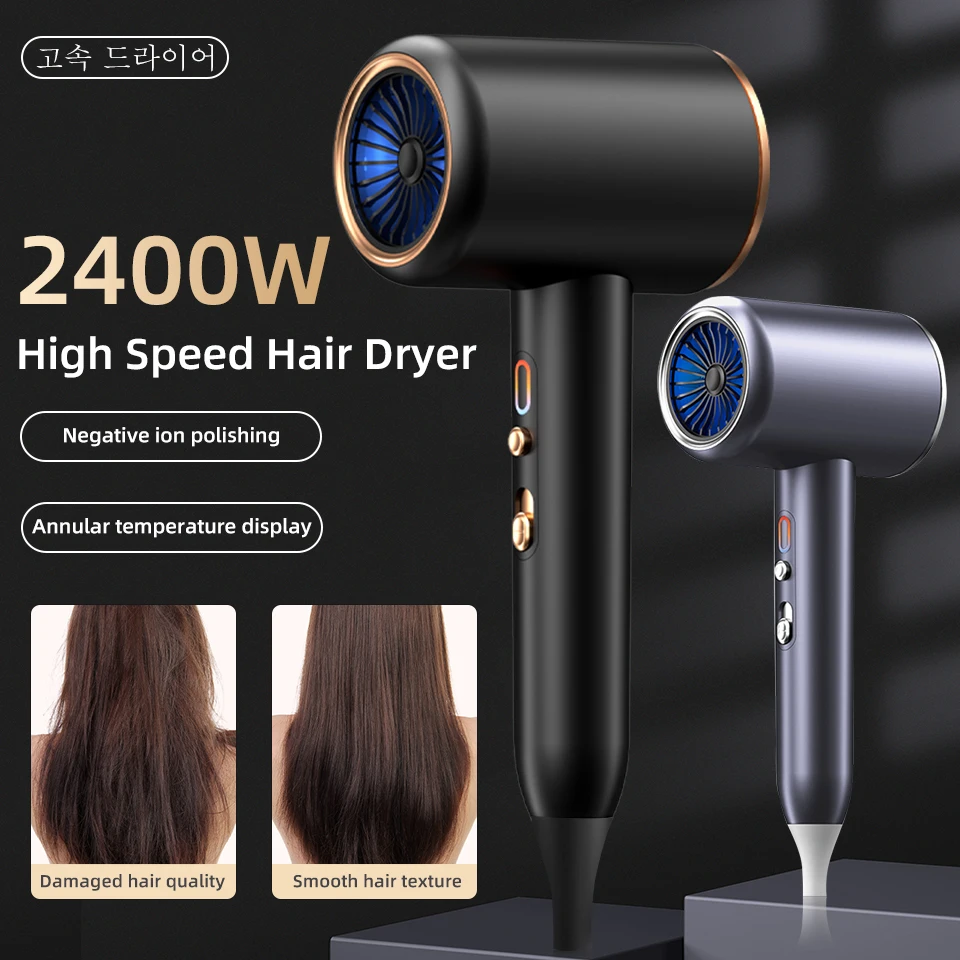
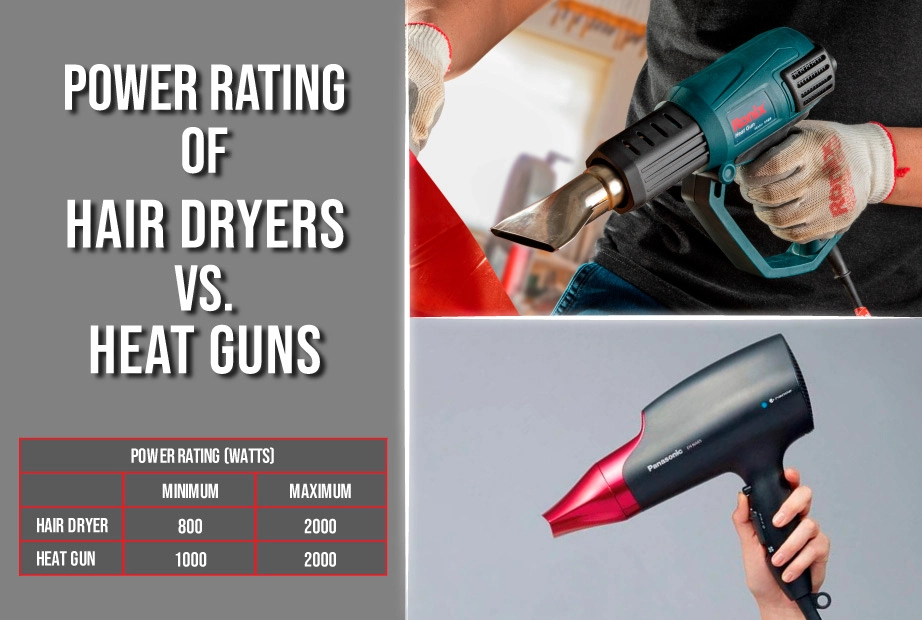
We see 1875 watts, then 2000 watts, then sometimes even 2200 watts. Each jump promises a grander experience.
It's like car horsepower. More numbers equal more bragging rights, right?
But does your delicate hair truly need the equivalent of a small leaf blower to get dry?
Sometimes, those super-powered hair dryers feel less like a beauty tool and more like a small hurricane.
"Is my hair dry, or has it simply decided to flee my scalp in terror?"
They can turn your bathroom into a wind tunnel. Your carefully placed toiletries might just take flight.
And your earlobes? They might just start doing the cha-cha from the sheer force.
Then there's the noise. A high-wattage dryer can sometimes sound like a tiny, angry spaceship taking off right next to your head.
Conversation during hair drying? Forget about it. You're in a solo mission to dry-ville.
The Mysterious Case of the Meek Machines
On the flip side, we’ve all encountered the low-wattage offenders. These are the ones often found in hotel rooms.
They hum rather than roar. They emit a gentle, almost apologetic puff of air.
You find yourself holding it an inch from your scalp, begging it to perform. "Please, little guy," you whisper.
It’s like trying to dry a towel with your own breath. You know, if you had very, very mild asthma.
The time it takes feels geological. You could probably knit a sweater while waiting for your hair to dry.
Your arm starts to ache from holding it up for so long. It becomes a test of endurance.
And then you wonder: why even bother with this numerical game if the experience is so wildly inconsistent?
What Do We Really Want From Our Hair Dryers?
I propose a radical thought: we just want effective dryness. And maybe a little less drama.
We want a comfortable amount of heat. Not searing, not freezing, but just right.
We want air that moves our hair, not redesigns our entire facial structure.
Consistency is key. A steady, reliable breeze that does its job without a fuss.
It's not about the biggest number on the box. It's about the feeling in our hands and the result on our heads.
Perhaps the perfect wattage isn't some extreme figure. Maybe it's a happy medium.
A dryer that dries quickly without feeling like it's trying to scalp you. A comfortable experience, not a wrestling match.

The Marketing Machine's Sweet Nothings
Wattage has become a marketing shorthand. A quick way to signify "powerful" or "professional."
It catches our eye in the aisle. A bigger number seems to justify a higher price tag.
But are we buying power, or are we buying a promise of less morning hassle?
I suspect it's the latter. We're chasing convenience and confidence, not electrical specifications.
So, the next time you see a hair dryer boasting its impressive wattage, take a moment.
Ask yourself, "Is this truly what my hair needs, or what the manufacturers think I want?"
Do I need a wind turbine, or just a dependable breeze?
Perhaps the best hair dryer is the one that simply works. The one that dries your hair without giving you an existential crisis.
The one that doesn't feel like a scientific experiment gone slightly awry.
Embracing the Mystery (and Our Preferences)
Maybe we should stop obsessing over the exact wattage.
Instead, let's focus on how a dryer feels. How it sounds. How it performs on our unique hair.

Does it make our mornings easier? Does it leave our hair feeling soft and not fried?
These are the true metrics of a great hair dryer, aren't they?
The numbers are there, sure. They're part of the equation.
But they shouldn't dictate our entire experience. They are merely a guide, not a gospel.
So, go forth, brave hair dryer users. Choose wisely, or choose playfully.
Don't let a number on a box tell you how to dry your hair. Your hair has its own opinions.
And remember, sometimes the best power isn't the highest number. It's the one that simply gets the job done.
Without making you feel like you've just wrestled a small, angry dragon.
Or worse, a very lethargic pigeon with a sore throat.
Your hair dryer journey is personal. Let your experience, not just the wattage, be your guide.
May your locks be ever dry, and your mornings ever peaceful. Regardless of the numerical might.