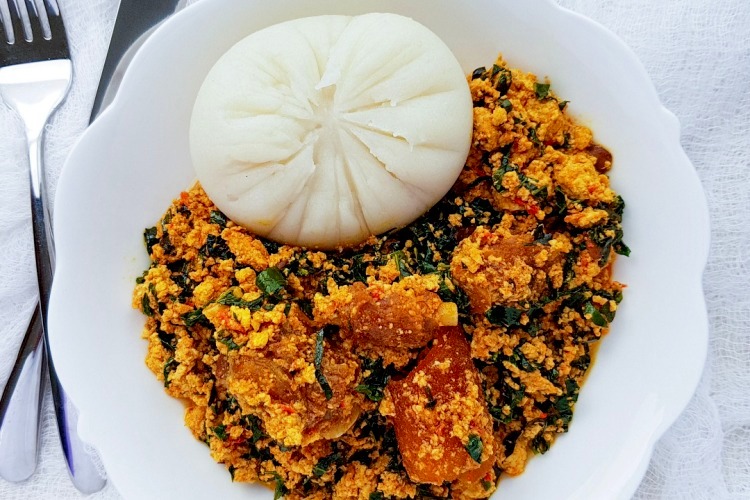
Pounded Yam And Egusi Soup

Ever heard of a dish so comforting, so deeply rooted in a culture, that it feels like a warm hug from the inside out? Well, prepare to be introduced to one! We're diving into the world of Pounded Yam and Egusi Soup, a West African delicacy that's more than just a meal; it's an experience. Learning about foods from different cultures is not only fun but also broadens our understanding of the world and its diverse culinary traditions. Plus, you might just discover your new favorite dish!
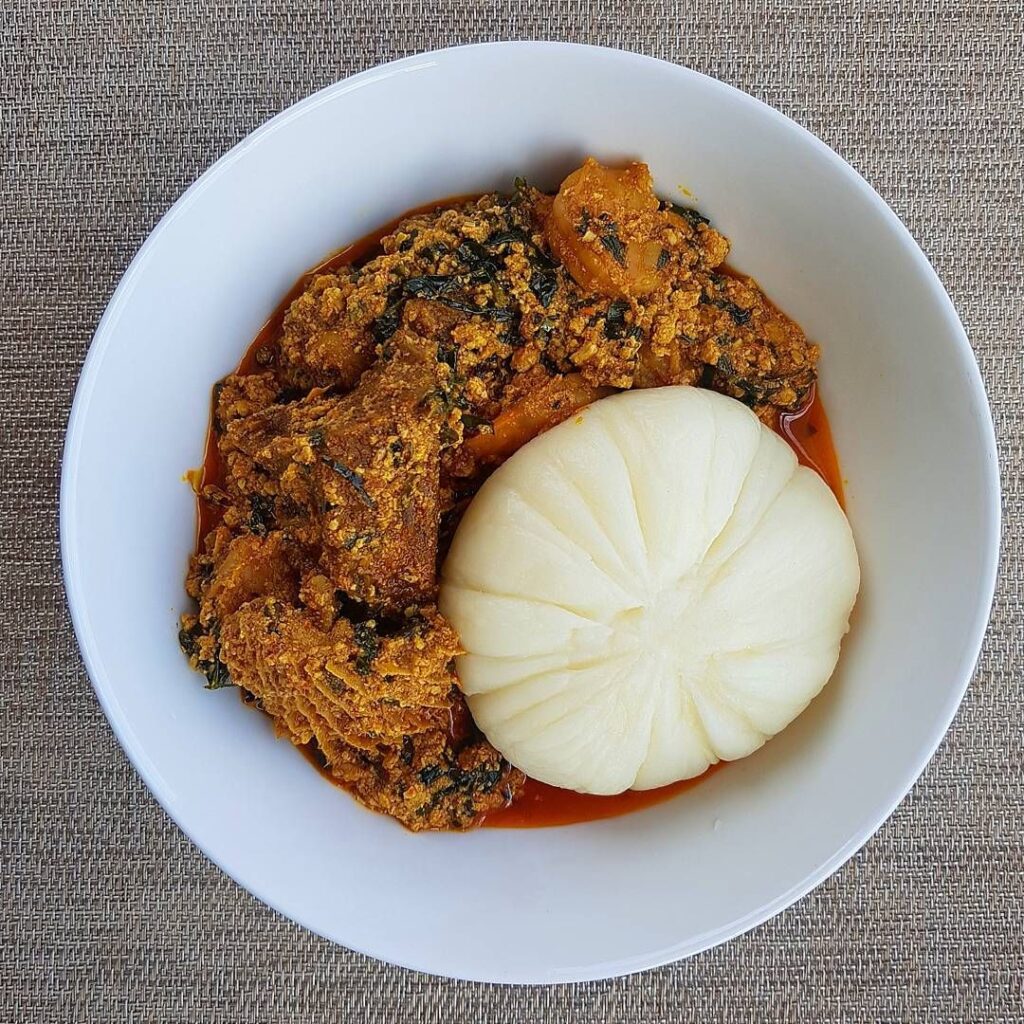
At its heart, Pounded Yam and Egusi Soup is a celebration of textures and flavors. Pounded yam, as the name suggests, is yam that has been pounded until it reaches a smooth, elastic consistency. It's the starchy foundation of the meal, often served in a dome-like shape. Think of it like a blank canvas, ready to absorb the rich flavors of the accompanying soup.
And what a soup it is! Egusi Soup is a vibrant and flavorful stew made primarily from ground melon seeds (egusi), vegetables like spinach or bitterleaf, palm oil (which gives it a characteristic reddish-orange hue), and a variety of meats and fish. The specific ingredients can vary widely depending on personal preference and regional variations, making it a truly adaptable dish. Some like it spicy with scotch bonnet peppers, others prefer a milder, more savory flavor.
Must Read
The purpose of Pounded Yam and Egusi Soup extends beyond mere sustenance. It's a staple at celebrations, family gatherings, and everyday meals alike. It's a dish that brings people together, fostering a sense of community and shared heritage. The benefits are numerous – the yam provides a good source of carbohydrates for energy, while the egusi seeds are packed with protein and healthy fats. The vegetables contribute essential vitamins and minerals, making it a well-rounded and nutritious meal.
You might be surprised to find applications of this dish beyond the dinner table! In some West African schools, understanding the traditional preparation of Pounded Yam and Egusi Soup might be part of cultural studies, teaching students about their heritage and culinary traditions. At home, preparing it together can be a valuable lesson in teamwork and passing down family recipes. Even discussing the dish's nutritional value can be incorporated into health and wellness education.
So, how can you explore this culinary delight? Start by researching local West African restaurants in your area. Many offer Pounded Yam and Egusi Soup on their menus. Don't be afraid to ask questions about the specific ingredients and preparation methods. If you're feeling adventurous, consider trying to make it at home! There are countless recipes available online and in cookbooks. A simple way to start is by focusing on the Egusi Soup first, using readily available ingredients. You can even substitute the pounded yam with mashed potatoes or another starchy side dish if pounding yam seems daunting. Most importantly, be open to new flavors and embrace the experience! Enjoy the rich, complex flavors of this West African classic – it's a journey for your taste buds!