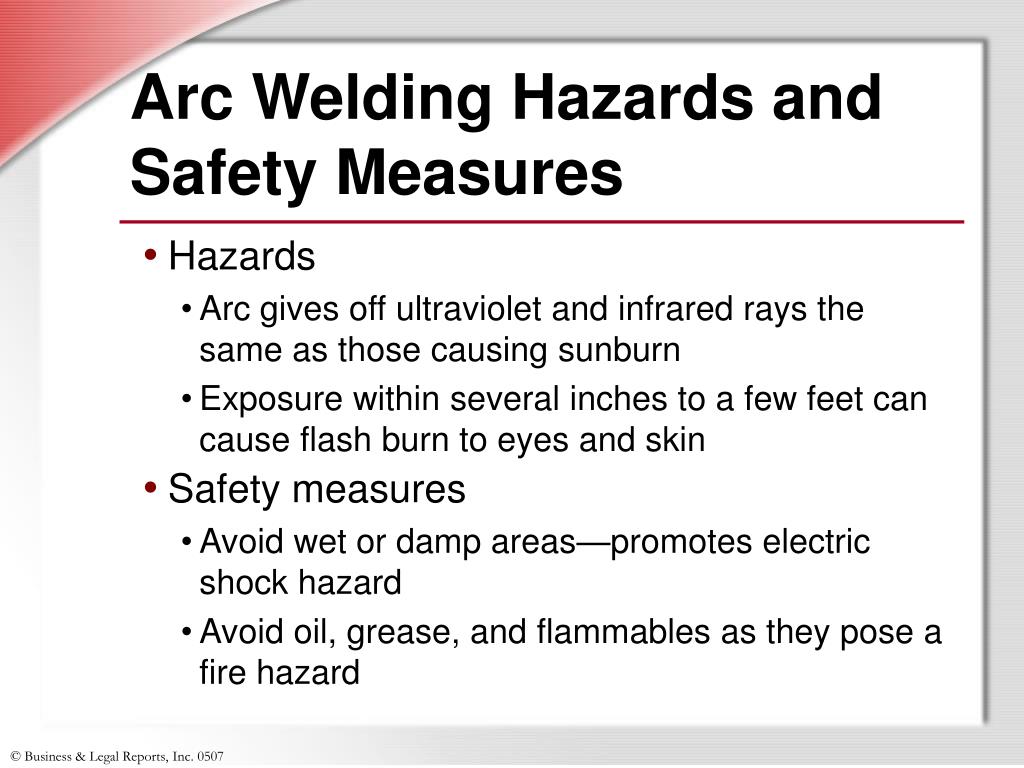
Potential Hazards Relating To Arc Welding Are

Okay, let’s talk welding. It’s the backbone of so much of what we see and use every day, from skyscrapers to your favorite vintage scooter. But wielding that power, literally fusing metal together, comes with a responsibility to understand the potential hazards. Think of it like crafting the perfect espresso – you wouldn't just dump beans in and hope for the best, would you? There’s a process, respect for the equipment, and awareness of what could go wrong.
Bright Lights, Big Problems: Eye Safety
Ever stared at the sun? Yeah, don’t. Welding arcs are even worse. We're talking intense UV radiation here, folks. It can cause “arc eye,” also known as welder's flash or photokeratitis. Imagine a sunburn on your eyeballs. Not a good look, and definitely not a fun feeling. Think of it as the heavy metal concert of eye injuries – loud and potentially damaging.
The Fix: A proper auto-darkening welding helmet is your best friend. Make sure it meets safety standards (ANSI Z87.1 is a good benchmark). And, this is crucial, don't skimp! A cheap helmet might not darken quickly enough, leaving your peepers vulnerable. Like buying a discounted parachute – just don’t do it.
Must Read
Breathe Easy (Or Not): Fumes and Gases
Welding creates fumes. Lots of them. We’re talking about vaporized metals and other substances that you definitely don't want to inhale. Think of it like a cloud of microscopic ninjas, silently attacking your lungs. Short-term, you might experience nausea, dizziness, or a metallic taste. Long-term, well, let's just say respiratory problems aren't on anyone's bucket list. Different welding processes (MIG, TIG, stick) and different base metals produce different fumes, some more hazardous than others.
The Fix: Ventilation, ventilation, ventilation! Open windows, use exhaust fans, or, ideally, invest in a proper fume extraction system. Respirators are also a must, especially when welding in enclosed spaces or with certain materials. Make sure the respirator is rated for the specific fumes you’re dealing with. It's like choosing the right coffee filter for your brewing method - specificity is key! Consider a supplied air respirator if working frequently indoors.
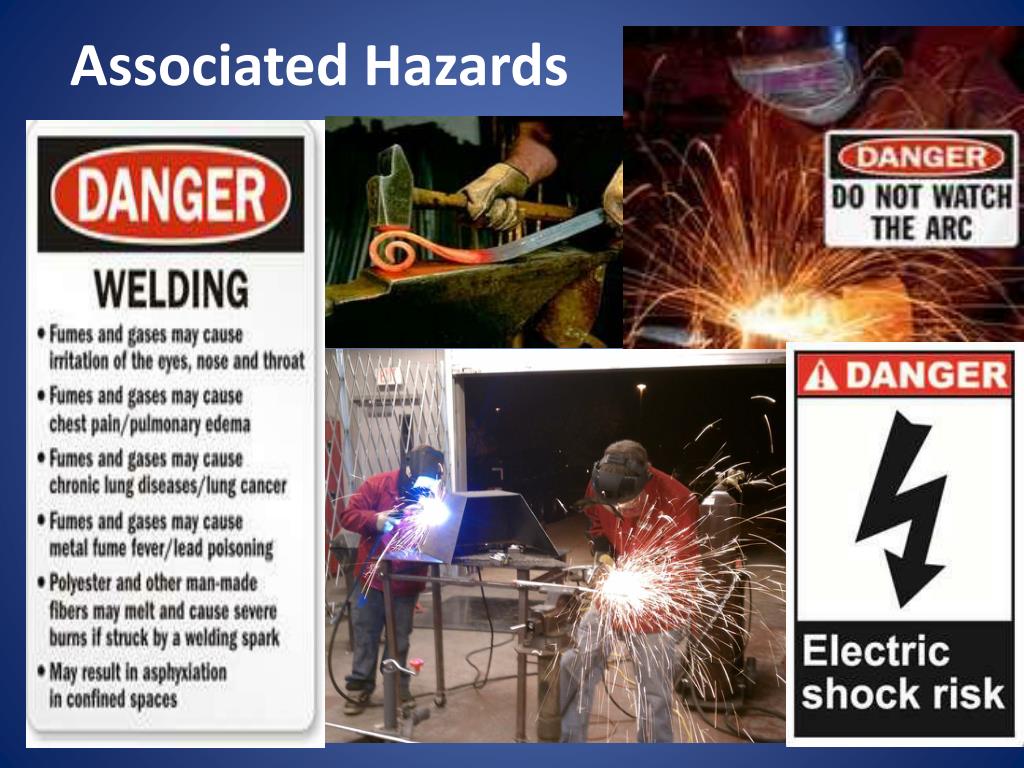
Shocking Revelations: Electrical Hazards
Electricity and metal. What could go wrong? A lot, actually. Welding machines use high voltage and amperage, so electrical shock is a very real risk. Contact with live parts can be fatal. It's not just about a little tingle; we're talking serious, potentially life-altering consequences.
The Fix: Keep your equipment in good condition. Check for frayed wires or damaged insulation. Never weld in damp or wet conditions! Wear dry, insulated gloves and boots. And always, always disconnect the machine from the power source before making any repairs or adjustments. Think of it like unplugging your phone before sticking a metal object into the charging port – inherently a bad idea.
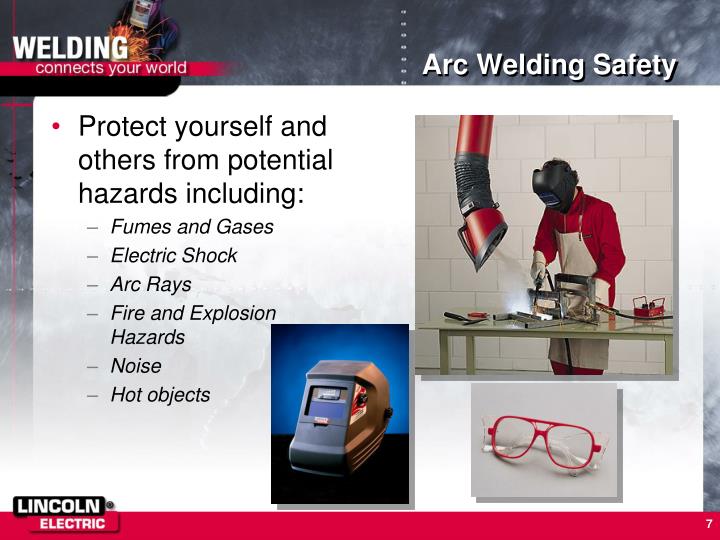
Burn Notice: Fire Hazards
Sparks fly. Molten metal spatters. Hot slag drops. Welding is essentially controlled fire, so it's no surprise that fire is a significant hazard. Those little sparks can travel surprisingly far, igniting flammable materials like paper, wood, or even just oily rags. Imagine your workshop turning into a scene from Backdraft. Not a fun image.
The Fix: Clear your work area of all flammable materials. Keep a fire extinguisher handy and know how to use it. Use fire-resistant blankets or curtains to contain sparks. And be extra careful when welding near walls or ceilings. Think of it like clearing the area before lighting fireworks - common sense, really.

Small Details Matter
Beyond the big four, there are other potential hazards to be aware of:
- Noise: Grinding, hammering, and the welding arc itself can be loud. Wear hearing protection.
- Cuts and Burns: Handle metal carefully and wear appropriate protective clothing (leather gloves, sleeves, aprons).
- Confined Spaces: Welding in confined spaces presents unique risks due to limited ventilation and potential for fire or explosion. Follow specific safety procedures.
Essentially, be like a meticulous chef, preparing every element before cooking to avoid kitchen catastrophe. Every part of the welding process, from setup to cool-down, has possible snags to be careful of.
Beyond the Workshop: A Life Lesson
Welding safety isn't just about protecting yourself in the workshop. It's about developing a mindset of awareness and risk assessment that can be applied to all areas of life. Whether you're driving a car, cooking dinner, or even just crossing the street, being mindful of potential hazards and taking steps to mitigate them can make a big difference. It’s about embracing a principle – understanding risks and being proactive about safety, no matter what you're doing. It’s a good life skill, regardless of whether you’re melting metal or not.