Potential Hazards Related To Arc Welding Are

Ever seen sparks fly from a construction site and wondered what was going on? Chances are, you were witnessing arc welding in action! It might look cool, but it's important to know that this powerful process also comes with its share of potential hazards. Learning about these dangers isn't just for professional welders; it's relevant for anyone curious about how things are made, from bridges to bicycles. Plus, understanding these hazards helps us appreciate the precautions taken to ensure everyone's safety.
So, what exactly is arc welding? Simply put, it's a process that uses an electrical arc to melt and fuse metals together. Think of it as a super-powered glue gun for metal! The benefits are numerous. It allows us to create strong, durable joints, perfect for structures that need to withstand immense stress. It's used to build everything from skyscrapers and cars to furniture and even artistic sculptures.
Arc welding pops up in unexpected places. In education, vocational schools use it to teach students valuable skills for the manufacturing and construction industries. Think about the robots used in factories – many of their parts are joined together using arc welding! Even in daily life, you might see evidence of arc welding in repairs to fences, gates, or even the exhaust system of your car. If you've ever admired a beautifully crafted metal gate or a custom-built motorcycle, there's a good chance arc welding played a crucial role in its creation.
Must Read
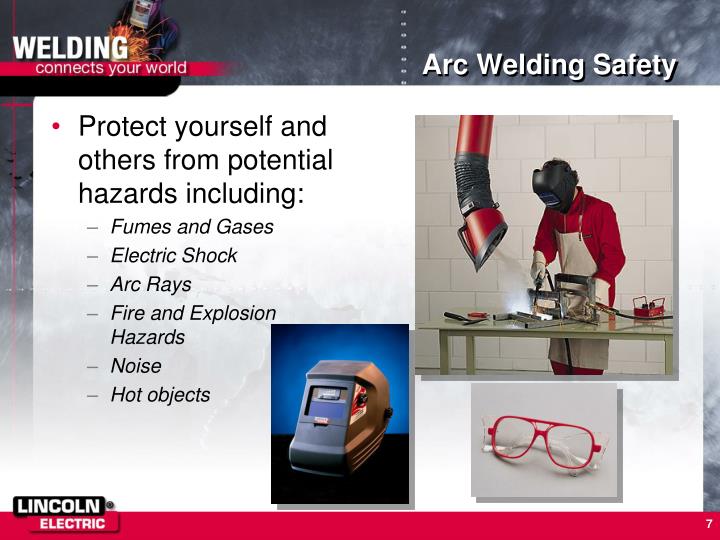
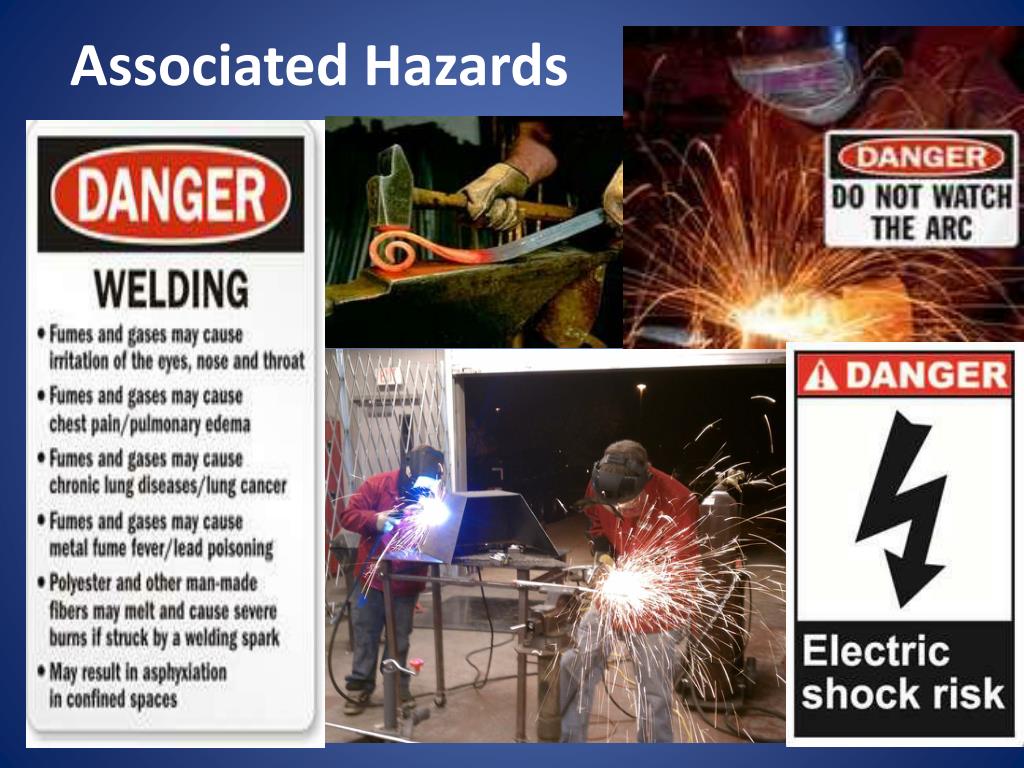
However, the high temperatures and powerful electrical currents involved in arc welding create potential dangers. Let's look at some key hazards:

- Electrical Shock: This is perhaps the most serious risk. Contact with live electrical parts can be fatal. That's why proper grounding and insulation are so crucial.
- Burns: The arc generates intense heat, and molten metal can splatter. Welders wear protective clothing, including gloves, helmets, and aprons, to shield themselves from burns.
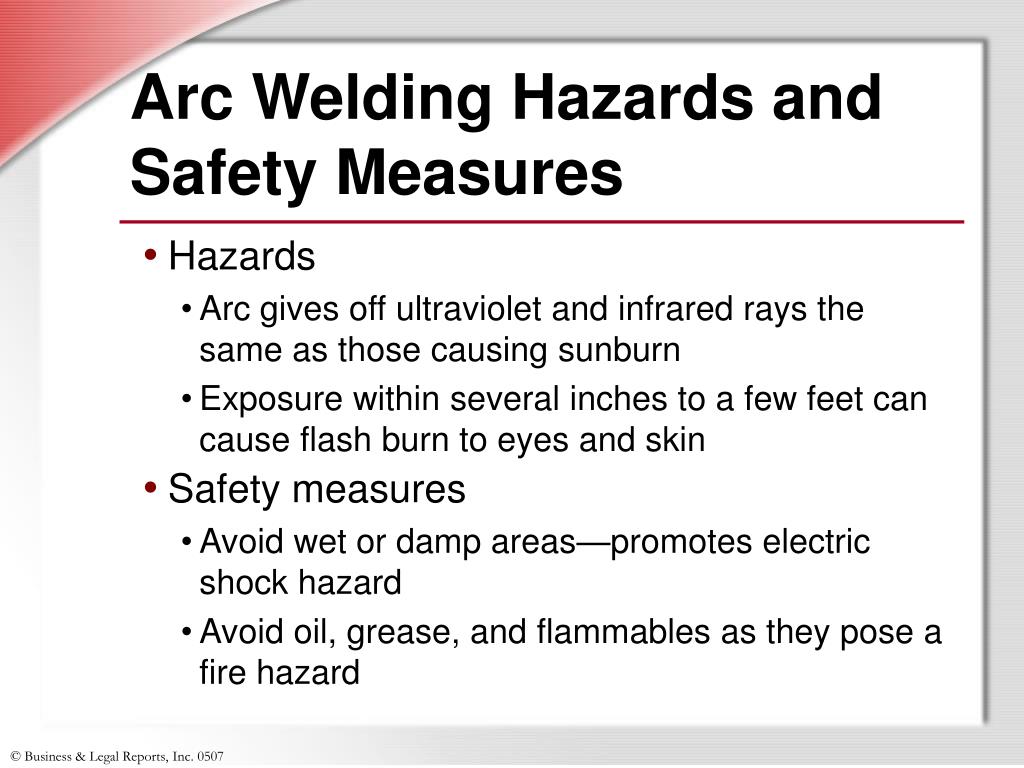
- Eye Damage: The bright light from the arc contains harmful ultraviolet (UV) and infrared (IR) radiation. Looking directly at the arc, even for a brief moment, can cause severe eye damage, known as "arc eye" or "welder's flash." Specialized welding helmets with auto-darkening filters are essential for protecting the eyes.
- Fumes and Gases: Welding produces fumes and gases that can be harmful to the respiratory system. Proper ventilation is vital to remove these contaminants from the breathing zone.
- Fire and Explosions: The intense heat and sparks can ignite flammable materials in the surrounding area. It's critical to clear the area of any combustible materials before welding.
So, how can you explore this topic further in a safe and simple way? Start by watching videos online that demonstrate safe welding practices. Many educational channels show the proper use of personal protective equipment (PPE) and explain the importance of ventilation. Visit a local vocational school or community college (with permission and supervision, of course!) to observe a welding class and see the equipment firsthand. You can also research the different types of welding and the metals they are used on. Even something as simple as examining a welded metal object and thinking about how it was joined together can spark your curiosity!
Remember, arc welding is a powerful tool with amazing applications, but understanding and respecting its potential hazards is paramount. By learning about these risks and the safety precautions taken, we can appreciate the skill and care involved in this essential manufacturing process.