
Physical And Chemical Properties Of Aluminium
Ever wonder what makes that sleek smartphone casing or that trusty roll of foil so, well, amazing? Chances are, the answer lies in the incredible properties of aluminium. This isn't your grandma's metal (though she probably used plenty of it!). We're diving into the world of aluminium, exploring its physical and chemical characteristics, and uncovering why it's so ubiquitous in modern life.
The Physical: A Metal of Many Talents
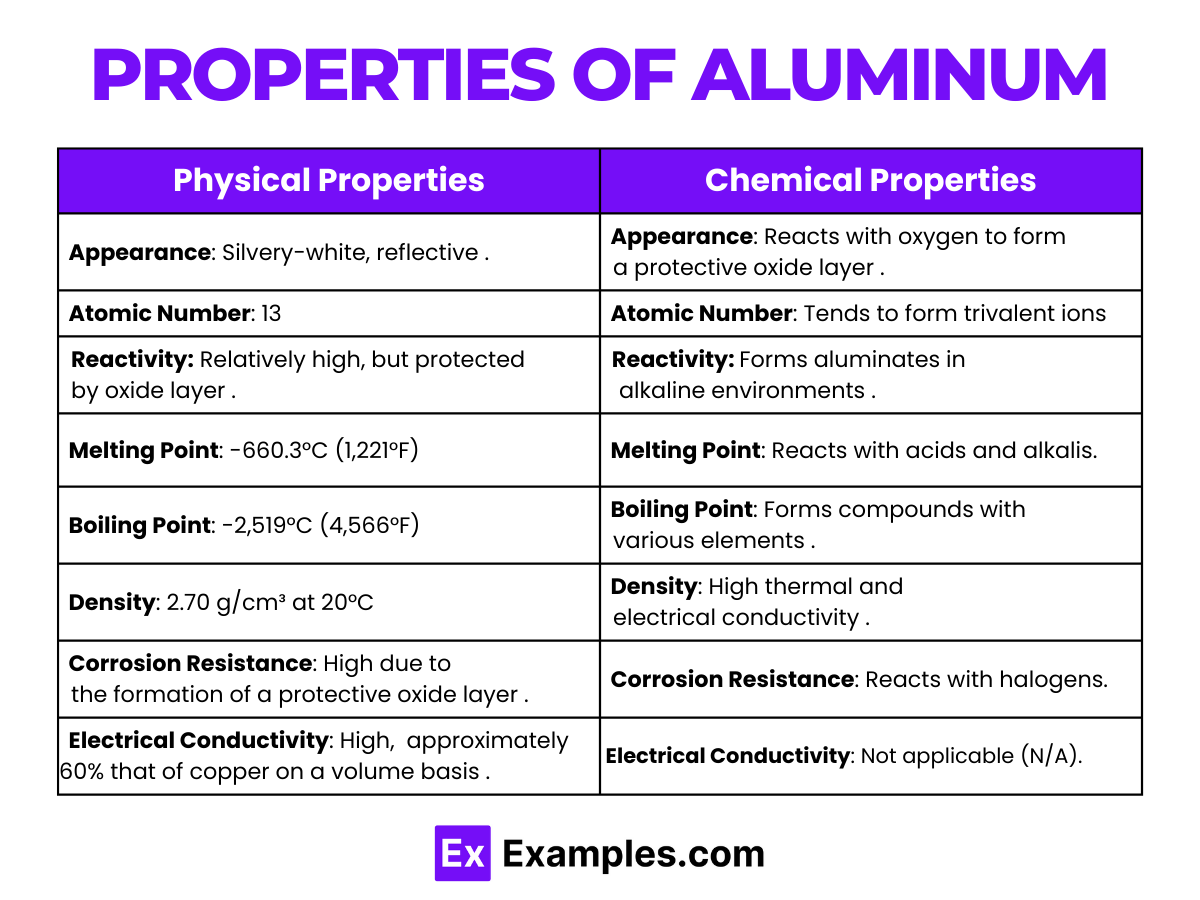
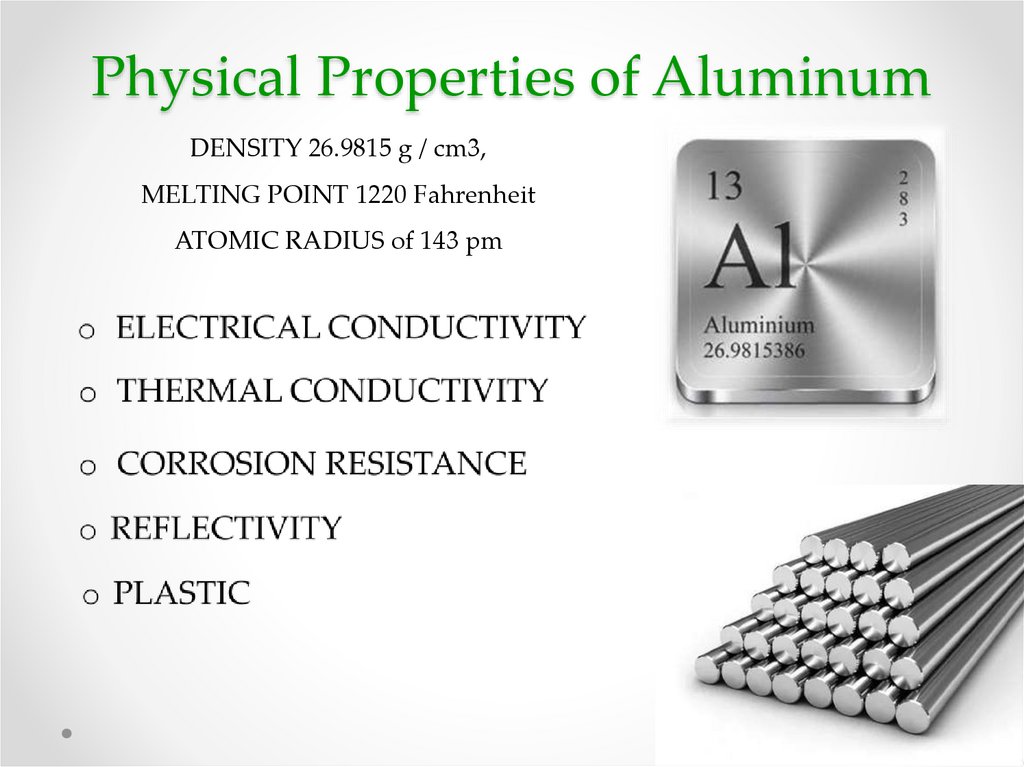
Let's start with the basics. Aluminium, or aluminum for our friends across the pond, is a silvery-white metal. Think of it as the chameleon of the periodic table, adapting to countless roles thanks to its unique physical properties.
Lightweight Champion: One of aluminium's biggest claims to fame is its density. It's roughly one-third the weight of steel, making it perfect for applications where weight matters, like in airplanes and cars. This weight reduction translates into fuel efficiency and overall performance – a win-win!
Must Read
Malleable Master: Aluminium is incredibly malleable, meaning it can be easily shaped without breaking. This is why it can be rolled into thin sheets for foil, extruded into complex shapes for window frames, or drawn into wires for electrical cables. Imagine trying to do that with cast iron! No, thank you.
Conductivity Superstar: Need a material that efficiently conducts electricity and heat? Look no further than aluminium. While copper is generally a better conductor, aluminium's lightweight nature and lower cost make it a popular alternative in many applications, from power lines to heat sinks in electronics.
Strength in Numbers (or Alloys): Pure aluminium is relatively soft. That's why it's often alloyed with other metals, like magnesium, silicon, or copper, to significantly increase its strength and hardness. These alloys are the backbone of countless industries, from aerospace to construction. Think of it like adding spices to a dish – a little something extra to enhance the overall flavour and function.
Fun Fact: Did you know that the Empire State Building is made of aluminum alloys? Talk about standing the test of time!
The Chemical: A Reactive Rebel (Kind Of)
Now, let's get a little nerdy with the chemical properties. Aluminium is a reactive metal, meaning it readily reacts with other elements. However, paradoxically, this reactivity is also what makes it so corrosion-resistant.
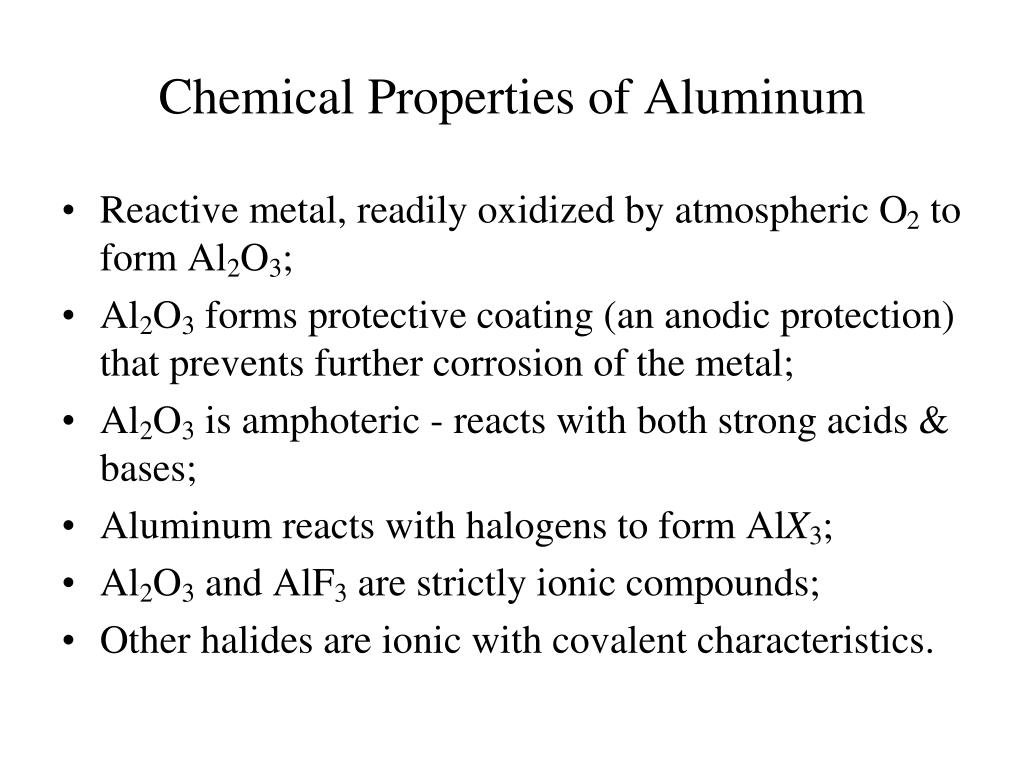
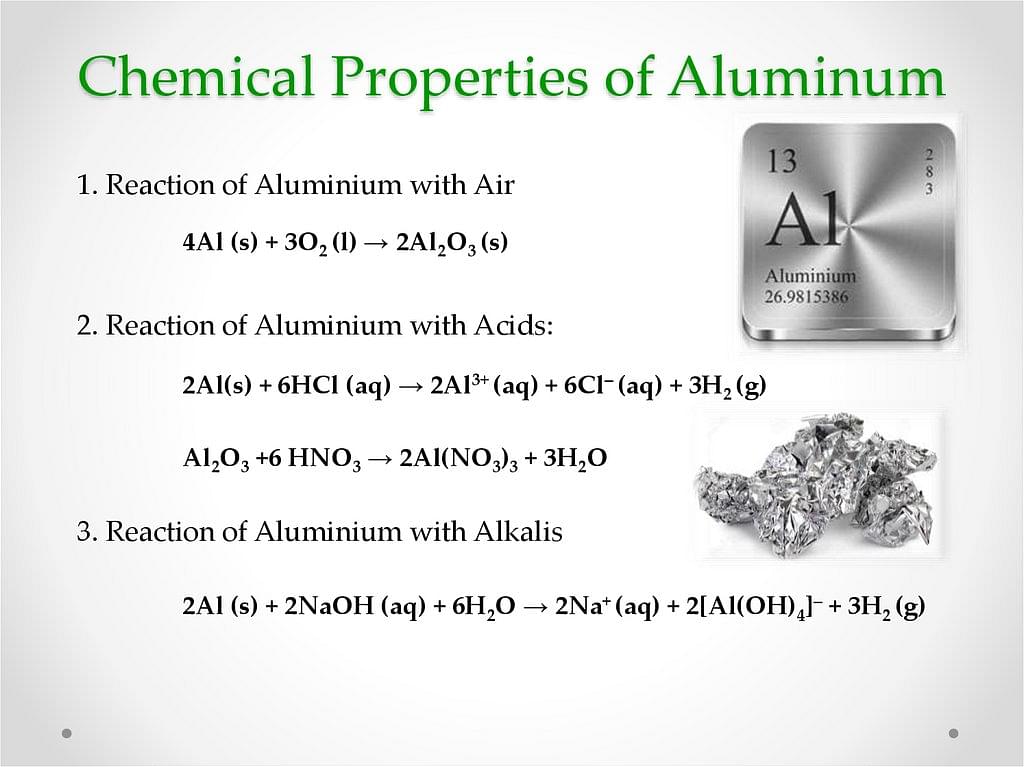
The Passivation Paradox: When aluminium is exposed to air, it forms a thin, tenacious layer of aluminium oxide on its surface. This layer acts as a protective shield, preventing further corrosion. It's like a self-healing force field! This passivation process is what allows aluminium to withstand harsh environments, making it ideal for outdoor applications.
Reaction with Acids and Bases: While the oxide layer protects aluminium in most conditions, it can be attacked by strong acids and bases. This is why you shouldn't use strong alkaline cleaners on aluminium cookware. Stick to mild detergents to keep your pots and pans shining.
Reducing Agent Extraordinaire: Aluminium is a powerful reducing agent, meaning it readily donates electrons to other elements. This property is exploited in various industrial processes, such as the thermite reaction, where aluminium reacts with iron oxide to produce intense heat. Perfect for welding and other high-temperature applications.
Recycling Rockstar: Aluminium is infinitely recyclable without any loss of quality. Recycling aluminium requires only about 5% of the energy needed to produce it from bauxite ore, making it a highly sustainable material. So, toss that can in the recycling bin – you're doing your part for the planet!
Practical Tip: Always check the recycling symbol on aluminium products. It indicates whether the product can be recycled in your local area.

Aluminium in Our Everyday Lives
From the moment you wake up and grab your smartphone to the time you close your laptop at night, aluminium is playing a role in your daily life. It's in your transportation, your packaging, your electronics, your construction materials – the list goes on!
Next time you're cooking with aluminium foil, driving your car, or admiring a sleek building, take a moment to appreciate the incredible properties of this versatile metal. It's a testament to human ingenuity and a key ingredient in our modern world.
Reflection: The ubiquity of aluminium reminds us that even seemingly simple materials can have complex properties that profoundly impact our lives. It's a call to be more mindful of the materials around us, to appreciate their functionality, and to consider their sustainability. After all, understanding the world around us starts with understanding the building blocks of that world.