Pg&e Peak And Off Peak Hours
Ever feel like your electricity bill is a bit of a mystery? What if I told you there’s a secret weapon hiding in plain sight that can help you
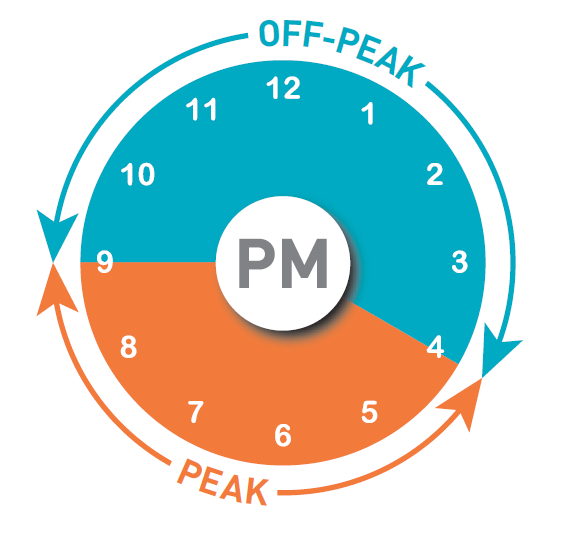
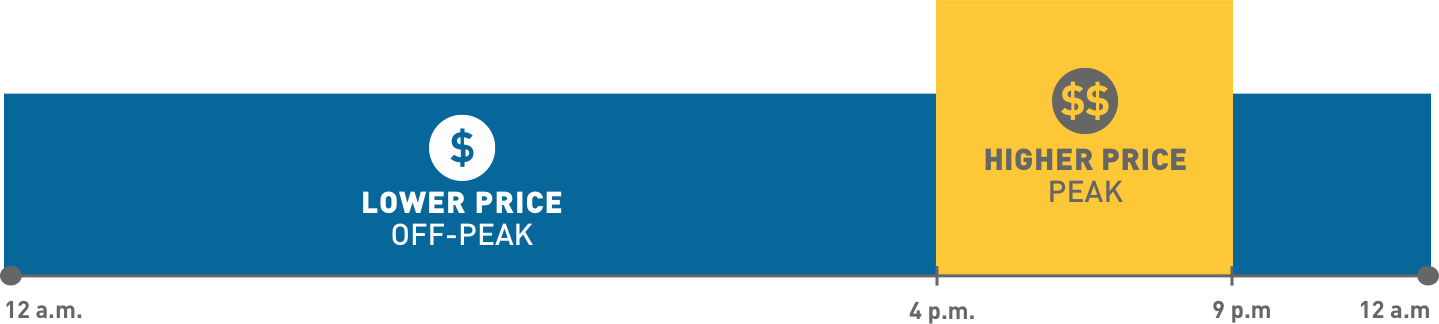
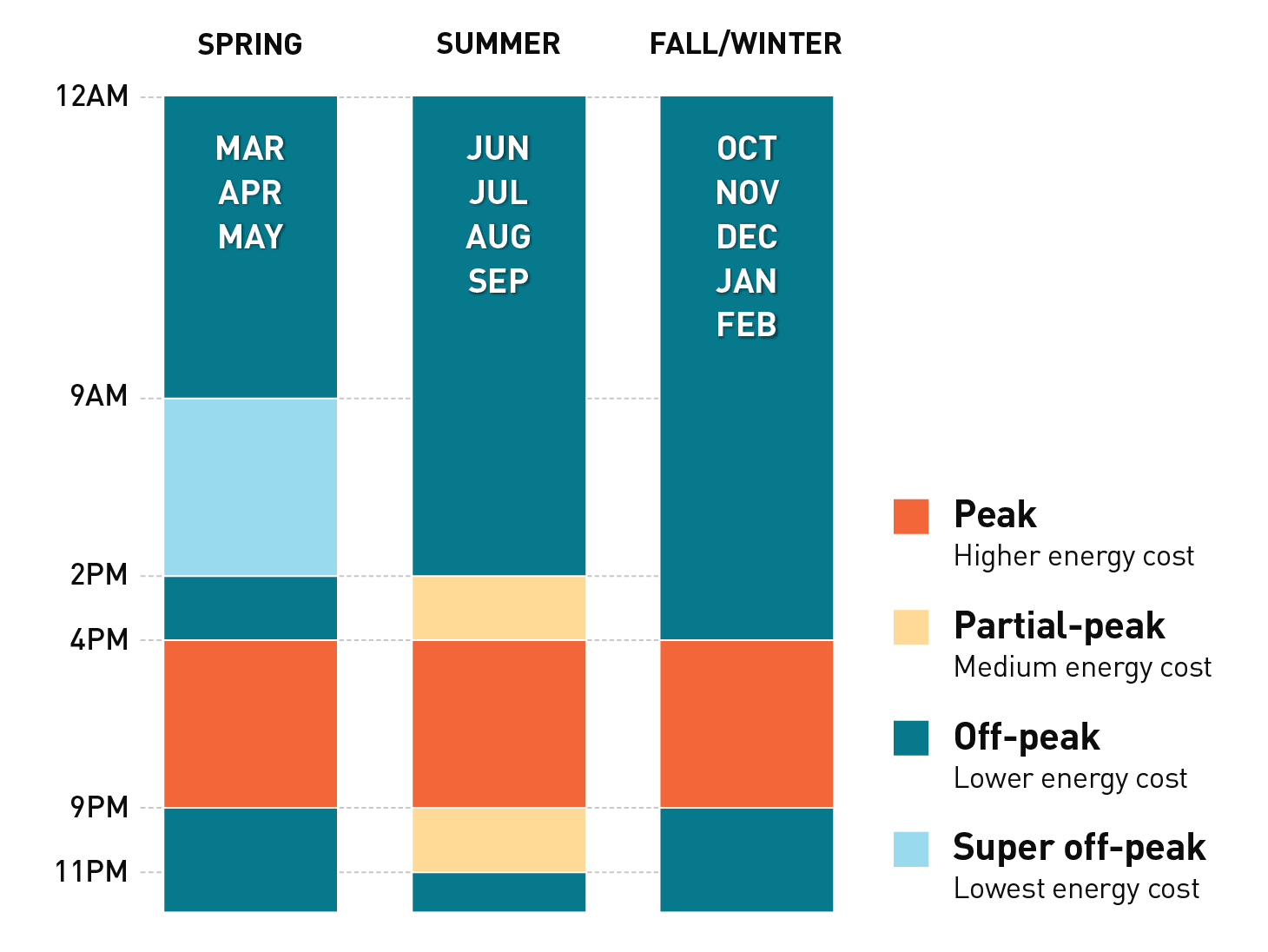
Think of it like this: imagine going to your favorite movie theater. Sometimes tickets are cheaper during the day (matinee!), and sometimes they're more expensive during prime evening hours. Electricity works in a similar, clever way. PG&E, like many utilities, uses a system called <_em>Time-of-Use (TOU) rates. This means the price you pay for electricity changes depending on <_em>when you use it. During "peak" hours, when everyone's using a lot of power (think evenings, after work), electricity costs more. During "off-peak" hours – typically late nights, mornings, and weekends – the price drops significantly.
So, what’s the big idea behind all this? It’s not just to trick you into washing dishes at midnight! The main purpose is to encourage all of us to spread out our electricity demand throughout the day. When too many people demand power at the exact same time, it puts a huge strain on the electrical grid. To meet that demand, sometimes less efficient, more expensive, and even dirtier power plants have to kick in. By shifting some of our energy use to off-peak times, we help <_strong>balance the load, keep the grid stable, and often reduce the need for those extra power sources. It's a win-win: <_strong>you save money, and the grid runs smoother and cleaner!
Must Read
The benefits are incredibly practical. For starters, you can unlock <_strong>significant savings on your monthly bill. Who doesn't love that? By simply making a few small adjustments to your daily routine, you can watch those dollar signs shrink. Beyond your personal finances, you're also playing a part in a larger effort. Shifting demand helps reduce greenhouse gas emissions by lessening reliance on fossil fuel "peaker" plants and makes better use of renewable energy sources, which often generate power during off-peak times. It's a small change with a surprisingly <_em>big impact.

Ready to become an off-peak pro? It's easier than you think! Start by finding your specific TOU schedule on PG&E’s website – they vary by plan and location. Then, identify your biggest energy hogs. Things like running the dishwasher, doing laundry, charging your electric vehicle, or even pre-cooling your house in the afternoon before peak hours hit can make a massive difference. Smart thermostats are also fantastic tools, allowing you to program your home's temperature to optimize for off-peak savings. Embracing the <_em>off-peak paradise is about small, smart choices that add up to big rewards.
So, next time you flip a switch, remember you're not just turning on a light; you're playing an active role in a smart energy system. Understanding PG&E's peak and off-peak hours isn't just about saving a buck; it’s about becoming a savvy energy user, contributing to a more stable grid, and even feeling a little more powerful in managing your household. It's time to stop letting your bill be a mystery and start <_strong>winning the energy game!