
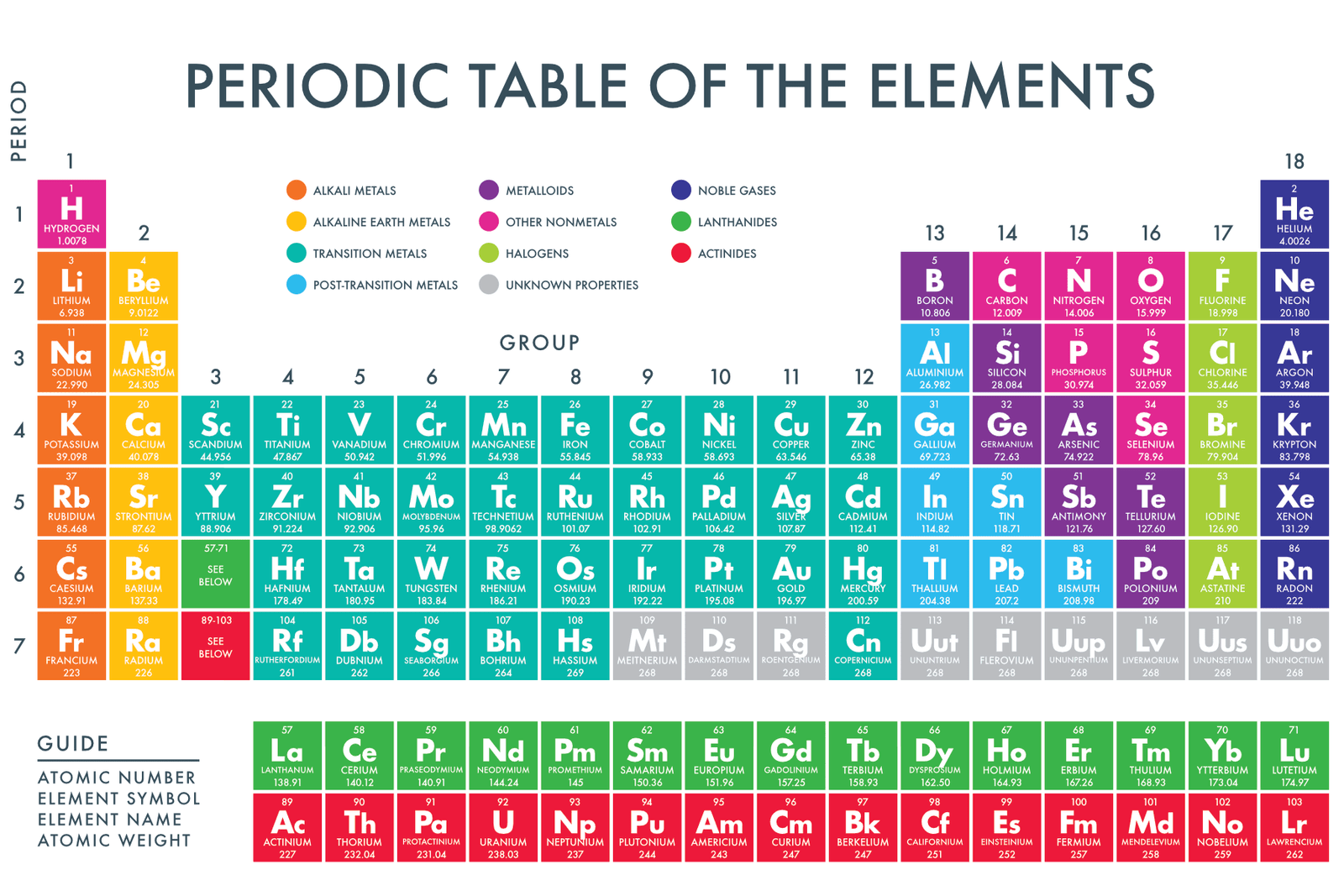
Periodic Table Of Elements Nonmetals Metals Metalloids

Ever looked at the Periodic Table and felt a little... lost? Don't worry, you're not alone! It looks like a complicated grid, but it's actually a super cool cheat sheet to the entire universe.
Think of it as a recipe book, but instead of cookies, it's got all the ingredients for, well, everything!
Meet the Elements: The Building Blocks of Everything
Each square on the table represents an element. These are the basic building blocks that make up all matter. From the air you breathe to the screen you're reading, elements are everywhere!
Must Read
Each element has its own personality, like a character in a story. Some are strong and stable, others are reactive and ready for action.
Let's break it down into some fun groups.
The Shiny Superstars: Metals
These guys are the rockstars of the Periodic Table. Metals are generally shiny, good conductors of electricity and heat, and can be bent and shaped.
Think of gold, silver, and copper. They're used in jewelry, electronics, and plumbing.
Iron is a workhorse! It's a key ingredient in steel, used to build skyscrapers and cars.
Even your phone relies on metals like aluminum and lithium! So next time you're scrolling, thank the Periodic Table.
They're the dependable friends you can always count on.
The Mysterious Mavericks: Nonmetals
Now, let's talk about the nonmetals. These elements are more like the introverts of the group.
They don't conduct electricity or heat very well, and they're often brittle or gases at room temperature. They are quite opposite to metals.
Oxygen is a life-giver! We breathe it in every second.
Carbon is incredibly versatile. It forms the backbone of all organic molecules, which means it's essential for all life. It's also found in diamonds and graphite!
Nitrogen is another key player, making up a large portion of our atmosphere. It's also used in fertilizers to help plants grow.
They're a bit more mysterious, but just as important!
The In-Betweeners: Metalloids
And then we have the metalloids, the chameleons of the element world. They are also called semi-metals.
They have properties of both metals and nonmetals. This makes them super useful in electronics.
Silicon is the star of this group. It's a semiconductor, which means it can conduct electricity under certain conditions. This makes it perfect for computer chips!
Germanium is another important metalloid used in semiconductors. It's also used in some solar panels.
Boron is used in everything from detergents to ceramics. It even strengthens materials.

They're the adaptable problem-solvers of the element crew.
Why is the Periodic Table so special?
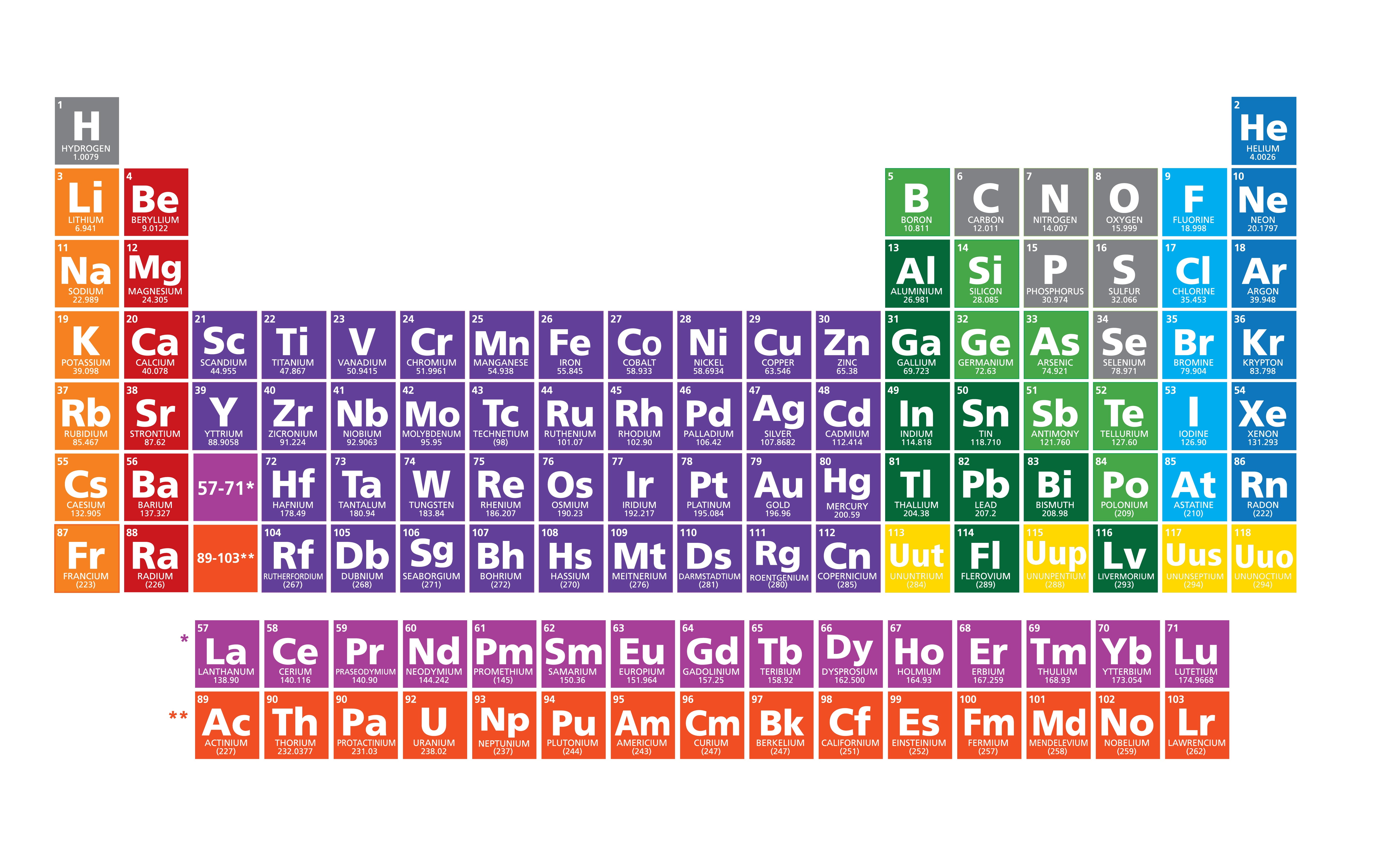
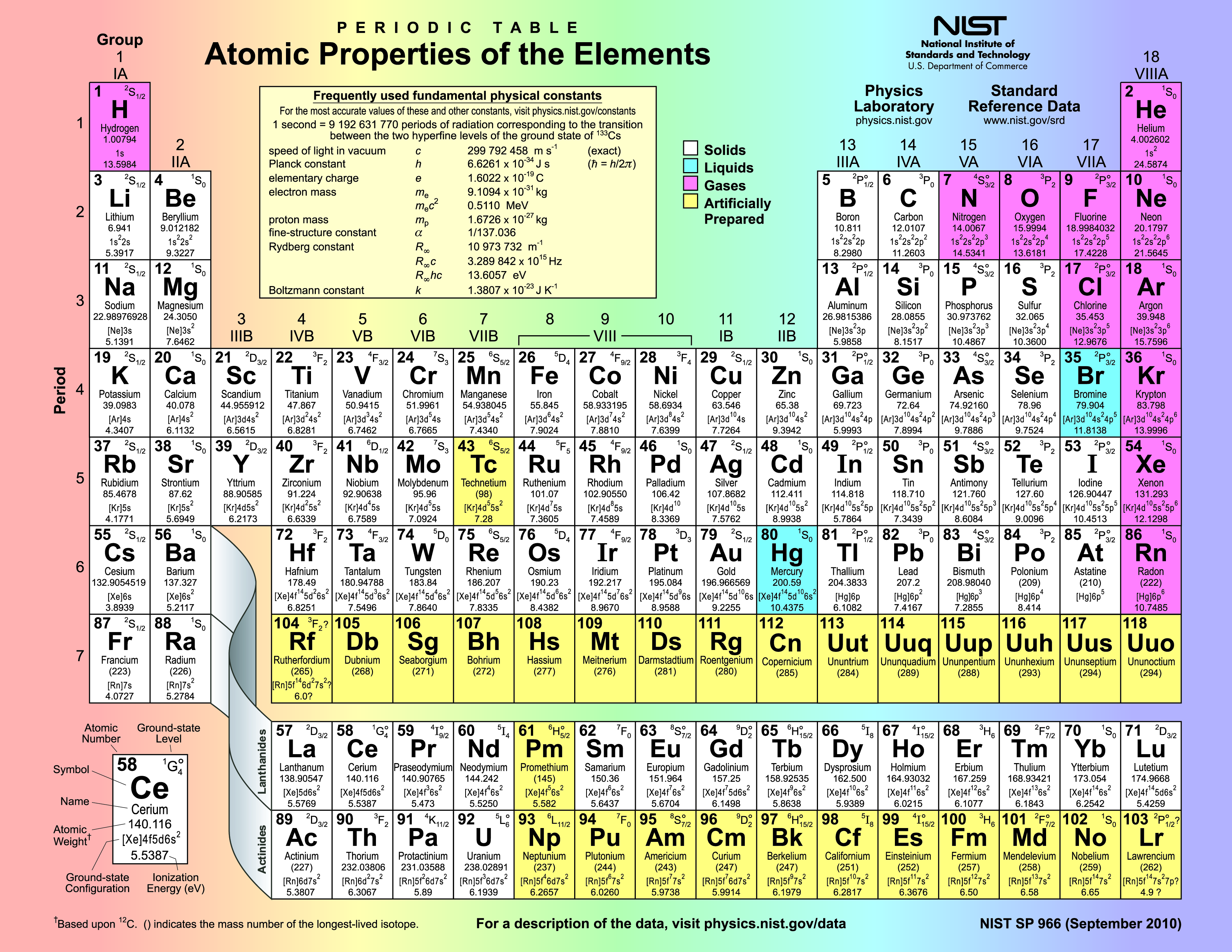
The Periodic Table isn't just a list of elements; it's a map of their relationships. The elements are organized by their atomic number and electron configuration.
This arrangement reveals patterns in their properties. We can predict how elements will react with each other!
It allows scientists to understand and predict the behavior of matter!
It's a powerful tool for discovering new materials. The Periodic Table helps scientists create new technologies.
Think of it as the ultimate guide to understanding the universe. It explains what everything is made of and how it all works.
The Periodic Table: More Than Just a Chart
The Periodic Table is not just a chart. It's a story about discovery and human ingenuity.
Scientists from all over the world have contributed to its development. Each element has its own unique story.
It's a testament to our curiosity and our desire to understand the world around us.
It's a living document that continues to evolve as we learn more about the universe.
The story of the Periodic Table is far from over.
Elements in Everyday Life
We interact with elements every single day, even if we don't realize it. From the water we drink (hydrogen and oxygen) to the salt we sprinkle on our food (sodium and chlorine), elements are essential to our lives.
Our bodies are made up of a complex combination of elements, including carbon, hydrogen, oxygen, nitrogen, phosphorus, and calcium. These elements work together to keep us alive and functioning.
The technology we use every day relies on a variety of elements. Smartphones contain elements like silicon, aluminum, and gold. Cars use elements like iron, copper, and platinum.
Even the colors we see are created by elements. Different elements emit different wavelengths of light. It creates different colors!
Elements are the foundation of everything around us, making them an integral part of our daily experiences.
Exploring Further
Want to dive deeper into the world of elements? There are tons of resources available online and in libraries.
Explore interactive Periodic Tables! Learn about the history of each element.
Discover the amazing compounds they can form!
You can even conduct simple experiments at home to observe the properties of different elements. (Always with adult supervision, of course!)
A Final Thought
The Periodic Table might seem intimidating at first. It's a fascinating tool that can help us understand the world around us!
Don't be afraid to explore its secrets. You might just discover something amazing.
So, next time you see the Periodic Table, remember that it's more than just a chart. It's a gateway to understanding the universe!
It's an invitation to explore the building blocks of reality.
Go ahead, take a peek. You might just be surprised at what you find!
"The elements are the alphabet of the universe."
Imagine being able to read that alphabet. The Periodic Table is your key!
Happy exploring!