
Off Peak And On Peak Meaning

Hey there, ever found yourself wondering why that concert ticket was so expensive, or why your electricity bill seems to jump a little higher during certain hours? Or maybe you've noticed that sometimes, a flight at 6 AM is way cheaper than one leaving at lunchtime?
Well, lean in close, because we're about to demystify something super common but often overlooked: the fascinating world of on-peak and off-peak. It's not just corporate jargon; it's a clever system that shapes a lot of our daily lives, often in ways that can save us money and even make our experiences better!
So, What Exactly is "On Peak"?
Imagine your favorite coffee shop right at 8 AM on a Monday morning. The line is out the door, baristas are moving at lightning speed, and finding a seat? Forget about it! That, my friend, is a pretty good analogy for on-peak. It's the period when demand for a service or product is at its absolute highest.
Must Read
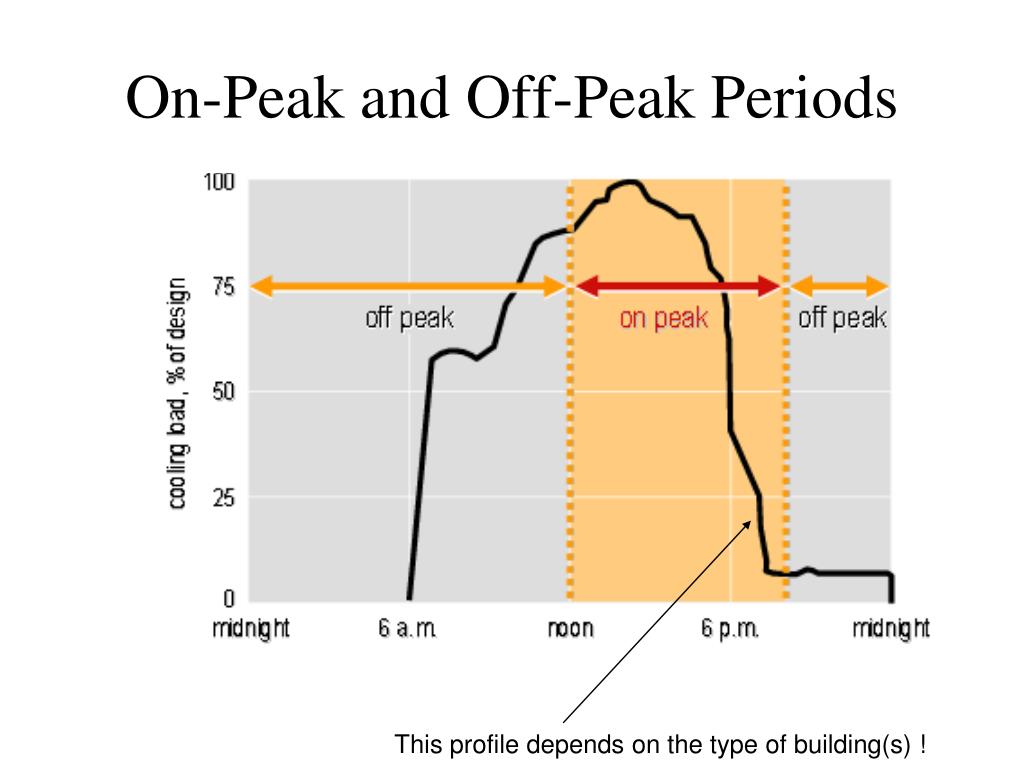
Think about it: everyone's trying to do the same thing, at the same time. Whether it's driving to work (hello, rush hour!), turning on their air conditioning on a sweltering afternoon, or trying to stream the latest blockbuster movie right after work. It's when systems are under the most strain, and resources are stretched thin.
Because there's so much demand, companies often charge more during these times. Why? To manage the flood of users, sure, but also because, well, they can! People are willing to pay a premium for convenience or necessity during these busy periods.

And "Off Peak"? The Chill Zone!
Now, picture that same coffee shop at 2 PM on a Tuesday. It's quiet, maybe a couple of people working on laptops, plenty of seats, and your latte arrives almost instantly. Ahhh, blissful, right? That's the essence of off-peak.
Off-peak periods are when demand is significantly lower. It's the opposite of the hustle and bustle. Think late-night flights, mid-morning gym sessions, or doing your laundry in the middle of the night. During these times, systems have excess capacity, and things are generally much calmer.
And here's the cool part: because companies want to encourage people to use their services when things are slower, they often offer discounts or lower rates during off-peak hours. It's a win-win: they spread out their usage, and you save some dough!
Why Is This System Even a Thing? (The Cool Part!)
You might be thinking, "Okay, less people, less money. More people, more money. Got it." But it's actually much cooler and more strategic than just basic supply and demand. This whole on-peak/off-peak dance is designed for a few brilliant reasons:
1. It Saves You Money (Seriously!)
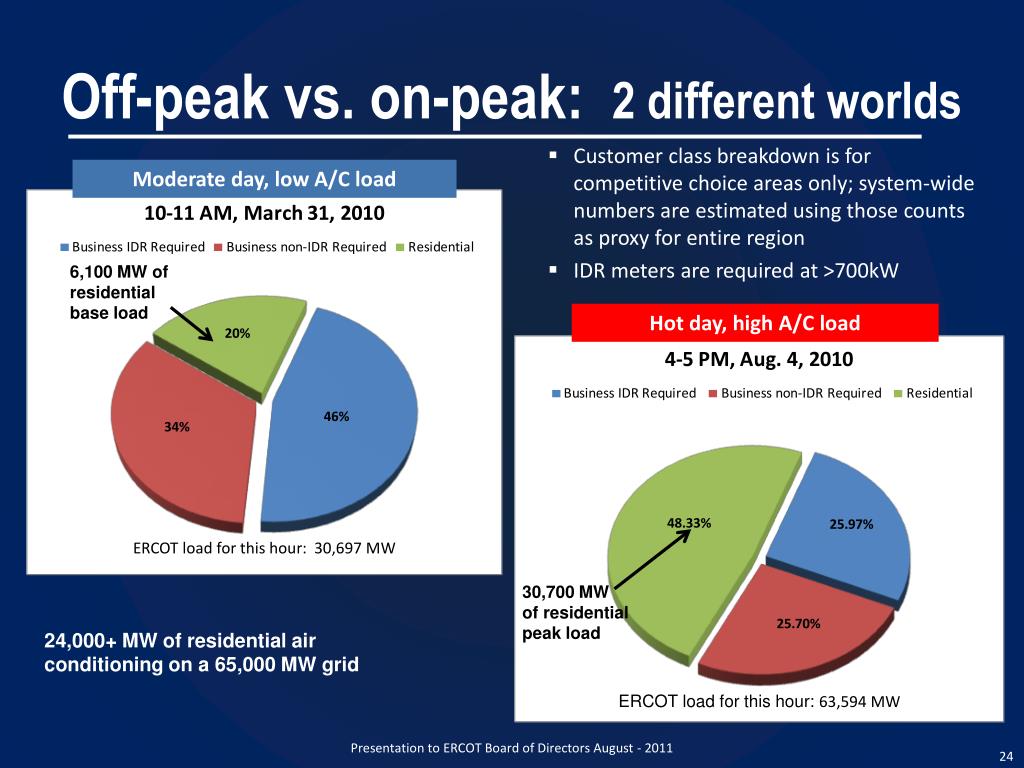
This is probably the most exciting benefit for us regular folks. Utility companies, for example, often have time-of-use (TOU) tariffs. This means your electricity costs less during off-peak hours (think evenings, weekends, or early mornings) because the overall demand on the grid is lower. So, running your dishwasher or charging your electric car at night could genuinely reduce your bill!
2. Smoother Sailing and Better Experiences
Ever been stuck in a ridiculously long line at an amusement park? Or had a slow internet connection because everyone in your neighborhood is streaming at once? Off-peak is your hero here! Fewer crowds mean quicker service, shorter waits, and a generally more pleasant experience. Imagine flying when the airport is less chaotic, or having a gym almost to yourself.
3. It's Good for the Planet and Our Infrastructure
This is where it gets really interesting! By encouraging us to use services during off-peak times, companies help to balance the load on critical infrastructure like power grids, public transport networks, and data centers. Spreading out demand prevents systems from getting overloaded, reduces the need for costly emergency power plants (which are often less efficient), and can even lead to lower carbon emissions.
It helps everything run more efficiently and sustainably. Pretty neat, right? It's like everyone taking turns on a playground swing instead of all trying to jump on at once!
Where Can You Find On-Peak and Off-Peak in Action?
Once you start looking, you'll see this concept everywhere:
- Electricity Bills: As mentioned, many utility providers offer specific rates.
- Travel: Flights, trains, and even toll roads are often cheaper during less popular times.
- Gym Memberships: Some gyms offer cheaper rates if you only come during off-peak hours.
- Streaming Services: While not usually price-based, network congestion can make your streaming experience better during off-peak hours.
- Amusement Parks & Attractions: Tickets and crowds are usually lower on weekdays outside of school holidays.
- Public Transport: Buses and trains might have cheaper fares outside of rush hour.
Your Turn: How to Leverage the Peak and Off-Peak Magic
Now that you're in on the secret, how can you use this knowledge to your advantage? Be a bit of a strategic thinker!
- Check your utility plan: See if you have a time-of-use electricity tariff and adjust your heavy appliance usage accordingly.
- Flex your travel times: If you have the luxury, consider flying or driving during less popular hours.
- Plan your outings: Want a more relaxed museum visit or dining experience? Aim for mid-week or earlier/later times.
- Be aware: Simply knowing when things are likely to be busy can help you set expectations and avoid frustration.
So, the next time you see a great deal on a flight or notice your electricity bill changing, you'll know exactly what's going on. The world of on-peak and off-peak isn't just about timing; it's about understanding how our collective choices impact systems, costs, and even the quality of our experiences. And armed with that knowledge, you can be a smarter consumer, a calmer traveler, and maybe even a little kinder to the planet. Pretty cool for such a simple idea, wouldn't you agree?