Off Grid Solar Vs On Grid Solar

Hey there, ever found yourself gazing at the sun and thinking about all that free energy beaming down? It’s pretty incredible when you stop to consider it, isn't it? As we all become a little more mindful about where our energy comes from, the world of solar power has really stepped into the spotlight. And it’s not just for environmentalists anymore; it’s becoming a mainstream topic, full of fascinating choices. Today, I want to take a relaxed, curious peek into two main flavors of solar that you hear about: On-Grid Solar versus Off-Grid Solar. Why is this fun to learn about? Because understanding these options gives us a glimpse into a future where we might all be a little more connected to – or wonderfully independent from – our energy sources.
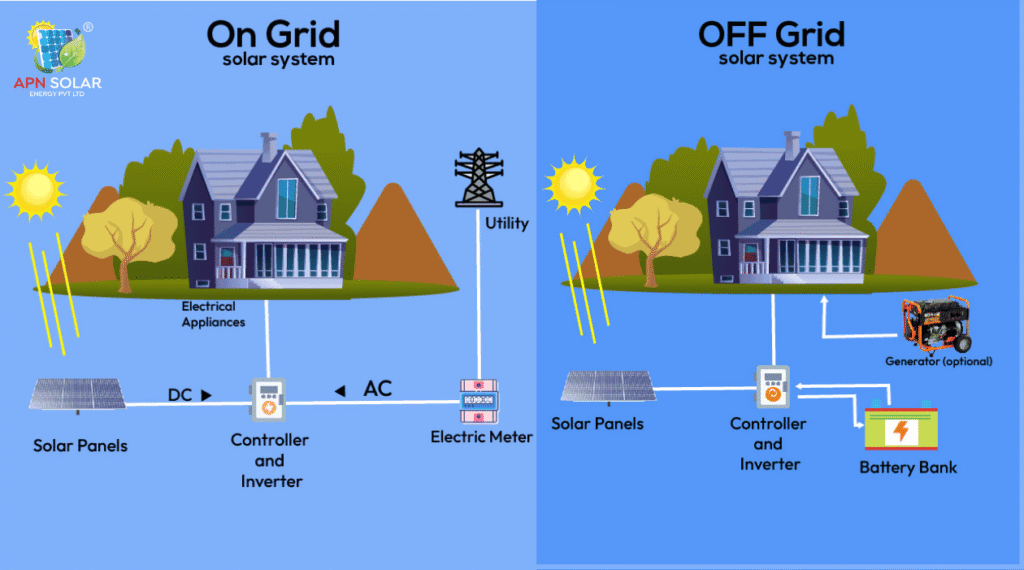
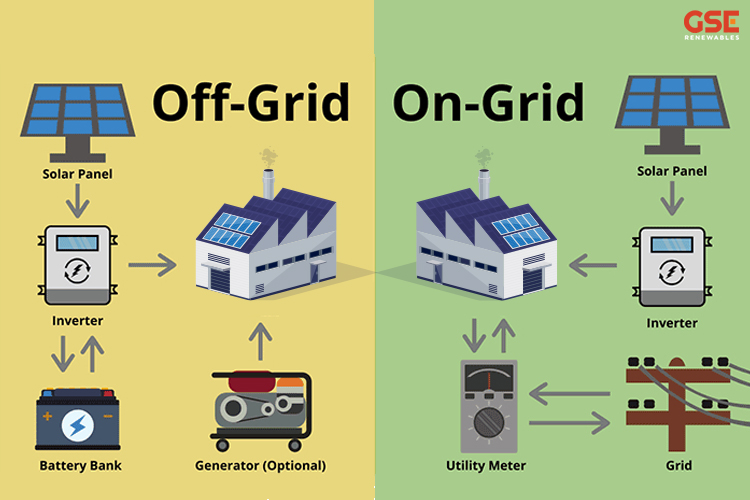
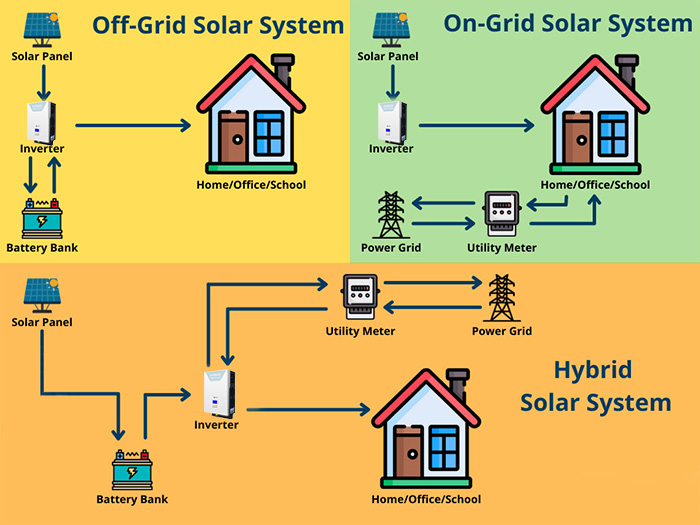
So, what’s the big idea behind each? Let's start with On-Grid Solar. Imagine your home is already hooked up to the local utility company, just like most of us. On-grid solar means you install solar panels that generate electricity, but your home remains connected to that utility grid. The purpose is two-fold: first, to power your home directly with clean energy, reducing your reliance on traditional power sources. Second, and this is the really neat part, if your panels produce more electricity than you're currently using, that excess power can be sent back to the grid. Many areas have what’s called net metering, where the utility essentially credits you for the power you feed in, sometimes even reducing your electricity bill to zero or beyond! The primary benefit here is reliability; if your panels aren't producing enough (say, at night or on a very cloudy day), you simply draw power from the grid as usual. You typically don't need large battery banks, making it a more straightforward and often less expensive upfront investment.
Now, let's flip the coin and look at Off-Grid Solar. This is where things get really interesting for the adventurous spirit! Off-grid solar means your home or property is completely independent from the utility grid. There’s no power line running to your house from a central station. Instead, all your electricity comes from your solar panels, stored in a substantial battery bank. The purpose here is absolute energy independence. The huge benefit? You have total control over your power, and you're immune to grid outages. This is perfect for remote cabins, tiny homes in the wilderness, or emergency shelters where connecting to the grid simply isn't feasible or desired. The downside? It requires a much more robust system, including those crucial batteries and often a backup generator, making the initial cost and maintenance generally higher.
Must Read
You might wonder how these systems pop up in daily life or even education. On-grid solar is incredibly common in suburban and urban homes, quietly contributing to lower electricity bills and a greener footprint. Schools often install them on rooftops, not only to save money but also as a tangible educational tool for teaching students about renewable energy and sustainability. Off-grid solar, on the other hand, powers everything from remote research stations in Antarctica to individual campsites, mobile food trucks, and even streetlights in developing nations. Imagine a small, self-contained solar kit powering a fan or charging phones during a blackout – that’s a mini off-grid system in action!
Want to explore this a bit yourself? It’s easier than you might think! A great first step is to simply research. Look up "solar installers near me" to get a sense of local options and costs for on-grid systems. For off-grid curiosity, try searching for "small solar panel kits" or "portable power stations." You can find surprisingly affordable little kits that can charge your phone or power a lightbulb, giving you a hands-on feel for how solar energy works. You could even visit a local hardware store and look at small garden lights or pathway lights that are entirely solar-powered – they’re simple off-grid systems in miniature! Understanding the difference between on-grid and off-grid solar isn't just about technical jargon; it's about understanding the choices we have in how we power our lives, our communities, and our planet. Pretty cool, right?