
Of The Following Compounds Which Contains A Metalloid
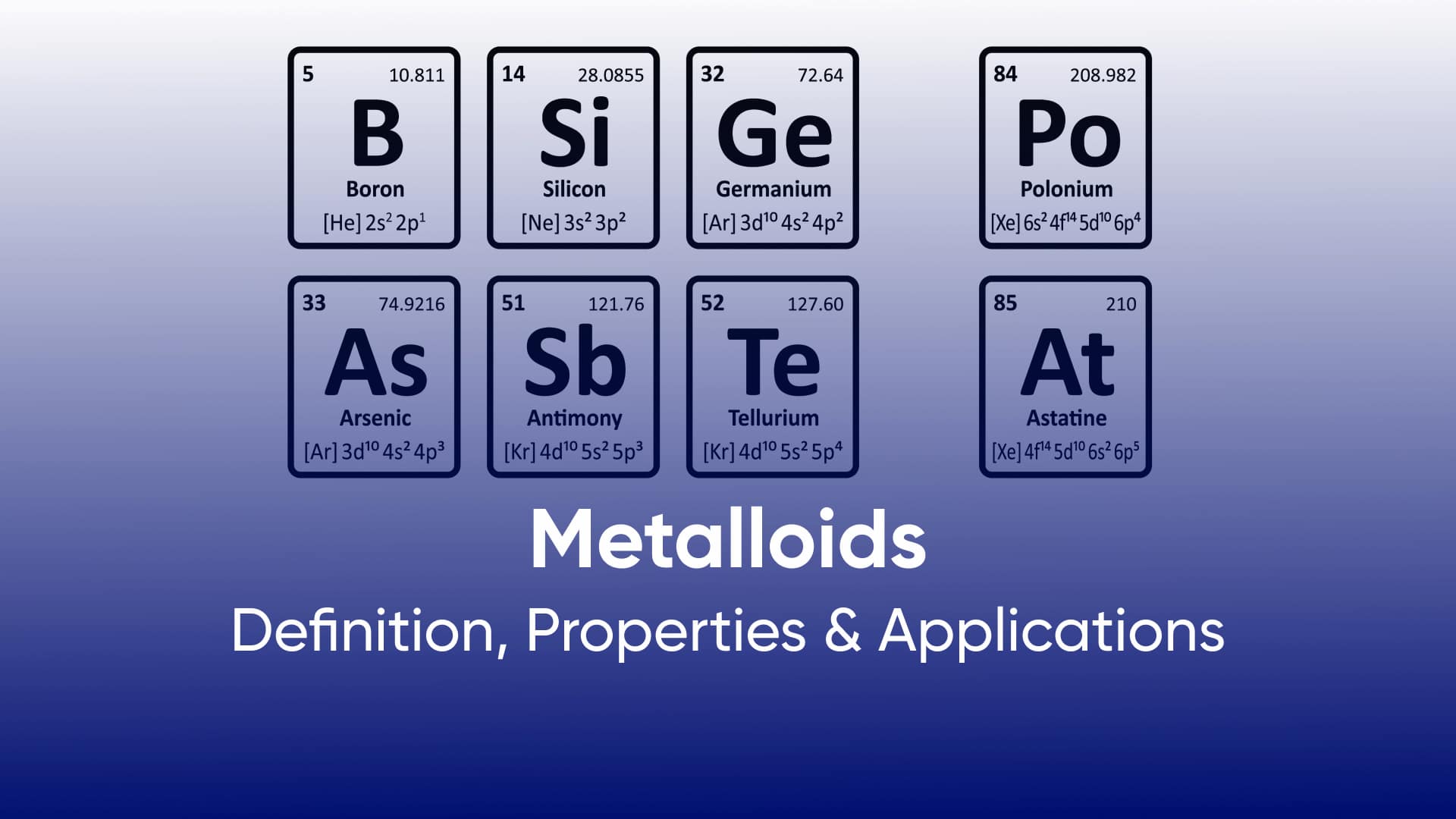
Okay, let's talk about metalloids! Ever heard of them? They're like the cool kids in chemistry class, hanging out right between the metals and the non-metals. Think of them as the swing voters of the periodic table. Not quite this, not quite that, but totally awesome in their own right.
So, What's the Big Deal?
Why are metalloids so fascinating? Well, imagine having a superpower that lets you choose whether to act like a metal or a non-metal. That's pretty much what these elements can do! This "sometimes yes, sometimes no" behavior makes them incredibly useful in all sorts of gadgets and gizmos we use every day.
Now, let's say you're presented with a list of compounds. And the question is: "Which one contains a metalloid?" It might sound intimidating, but trust me, it's like a treasure hunt for the chemistry-curious! It's about spotting the special ingredient, the one that gives the compound its unique properties.
Must Read
The Metalloid Line-Up
First, let's meet some of the stars. We've got Silicon (Si), the rockstar of semiconductors. Then there's Germanium (Ge), another tech marvel. Arsenic (As)? Okay, it's got a bit of a bad reputation from old movies, but it has its uses (though we won't be eating any!). Antimony (Sb), sometimes used to make things fire-resistant. And let's not forget Tellurium (Te) and Boron (B). Each one plays a unique role.
What makes them special? It all boils down to how they conduct electricity. Metals are great conductors. Non-metals? Not so much. Metalloids fall somewhere in between. They're semiconductors, meaning they can conduct electricity under certain conditions. This is what makes them perfect for transistors and computer chips. Without them, your phone, computer, and pretty much every other electronic device would be useless bricks!

Think about it. You are using something built with these elements to read this very article! Pretty neat, huh?
The Great Compound Quest
So, how do you spot a metalloid-containing compound? Look for clues! Check the chemical formula. Do you see any of those metalloid symbols (Si, Ge, As, Sb, Te, B) hanging out? If so, you've likely found your winner! If you see a compound like Silicon Dioxide (SiO2), also known as quartz, bingo! You've struck metalloid gold!
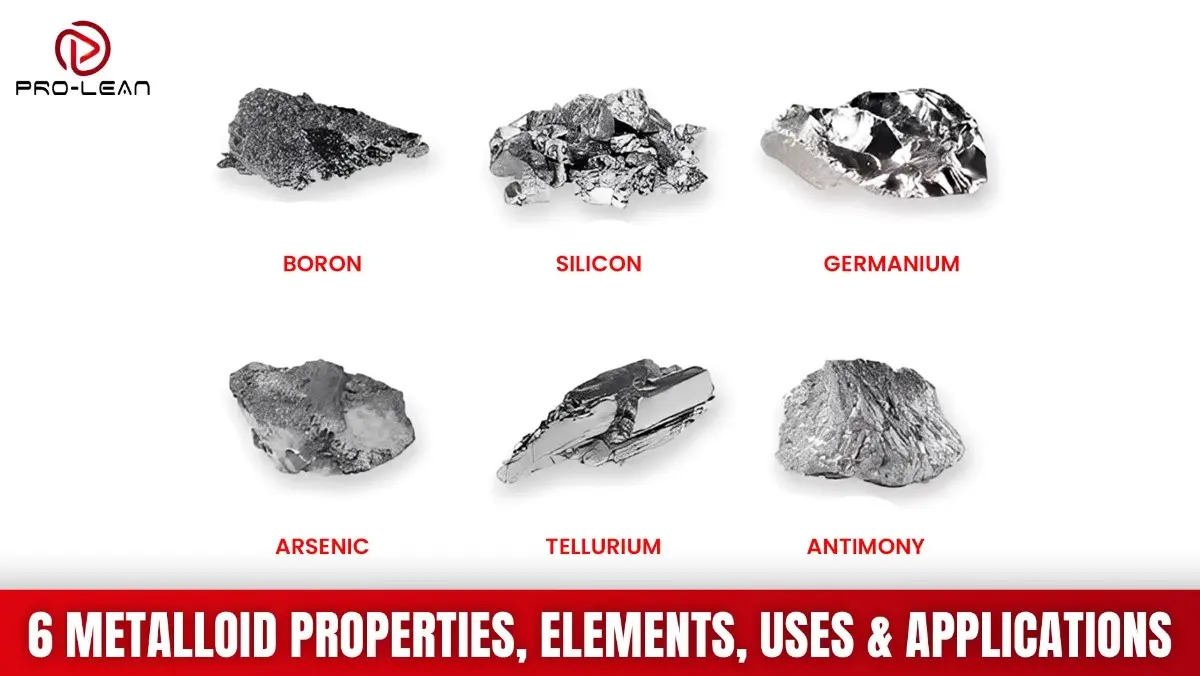
Don't be intimidated by the long names and complicated formulas. Break it down. Look for the individual elements. See if any of those elements match our list of metalloid heroes.
Think of it like this: You are at a party and trying to figure out who the most interesting person is. Are they talking about only one thing, like metal, or only one other like, nonmetal? Nope! That’s boring! They're likely the one mixing and matching, adaptable to different situations. That's a metalloid in a nutshell! This mixing and matching is what gives them their superpower properties!
Why This Matters (and Why It's Fun!)
Understanding metalloids isn't just about acing a chemistry test (though that's a bonus!). It's about appreciating the hidden ingredients that make our modern world tick. It's about realizing that these seemingly obscure elements play a vital role in the technology we rely on every single day.
It's also kind of like being a detective. You're presented with a puzzle, and you have to use your knowledge and observation skills to solve it. Who knew chemistry could be so thrilling?

So, the next time you see that question, "Of the following compounds, which contains a metalloid?", don't panic! Remember our metalloid lineup, look for those key symbols, and embrace your inner chemistry detective. You might just surprise yourself with what you discover!
Go forth and find those metalloids! The world of chemistry awaits!
And who knows, maybe you'll even inspire the next big technological breakthrough. It all starts with understanding the amazing world of metalloids.